现代防御技术 ›› 2026, Vol. 54 ›› Issue (5): 113-121.DOI: 10.3969/j.issn.1009-086x.2026.05.009

• 论文 • 上一篇    下一篇

一种用于超近程系统的成像优化与验证方法

夏紫琦, 李玉钊, 赵康, 高甜倩, 刘岩, 贺旭   

  1. 北京遥感设备研究所,北京 100854
  • 收稿日期:2025-08-04 修回日期:2025-11-27 出版日期:2026-10-28 发布日期:2026-11-03
  • 作者简介:夏紫琦(1998-),女,山东菏泽人。硕士生,研究方向为雷达成像。

An Imaging Optimization and Verification Method for Ultra-Short-Range Systems

Ziqi XIA, Yuzhao LI, Kang ZHAO, Tianqian GAO, Yan LIU, Xu HE   

  1. Beijing Institute of Remote Sensing Equipment,Beijing 100854,China
  • Received:2025-08-04 Revised:2025-11-27 Online:2026-10-28 Published:2026-11-03

摘要:

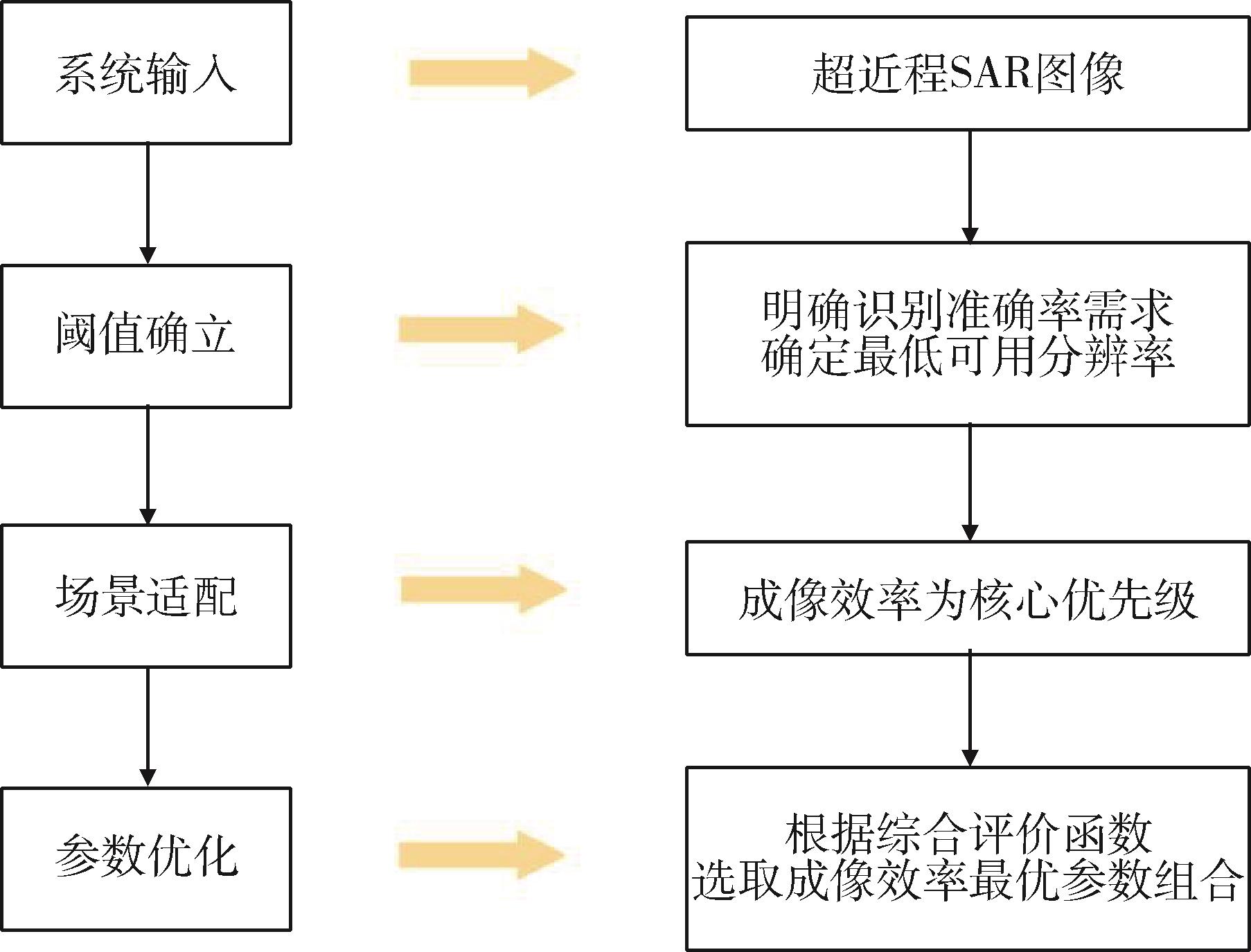
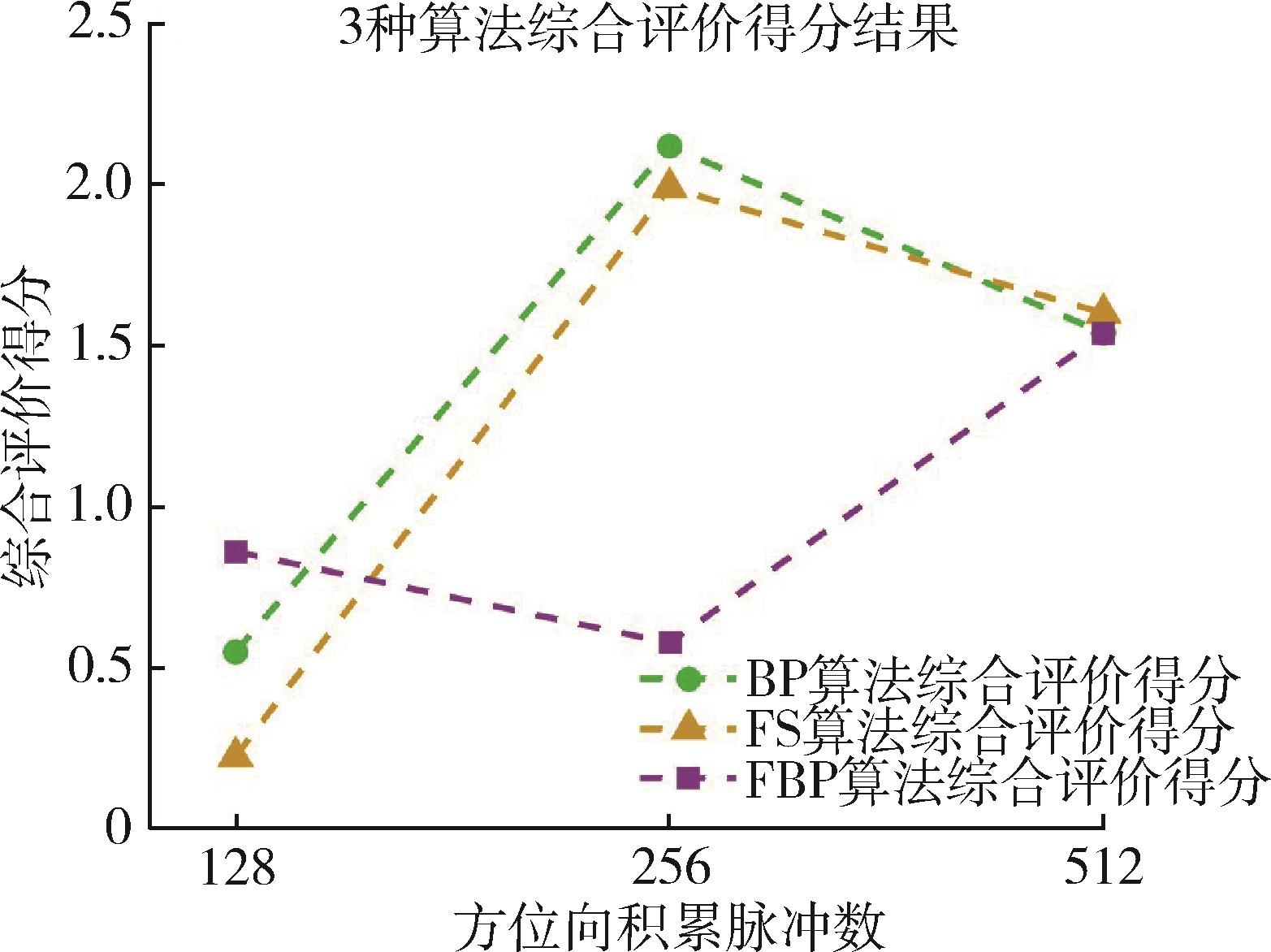
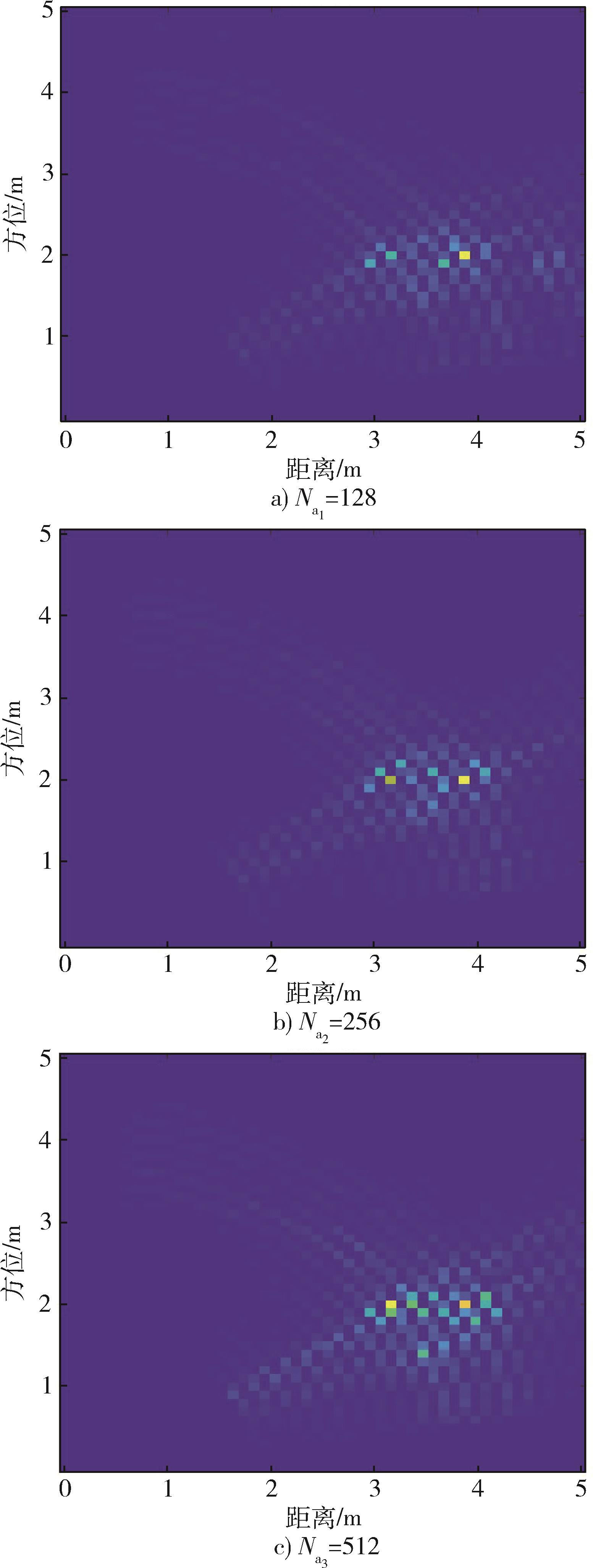
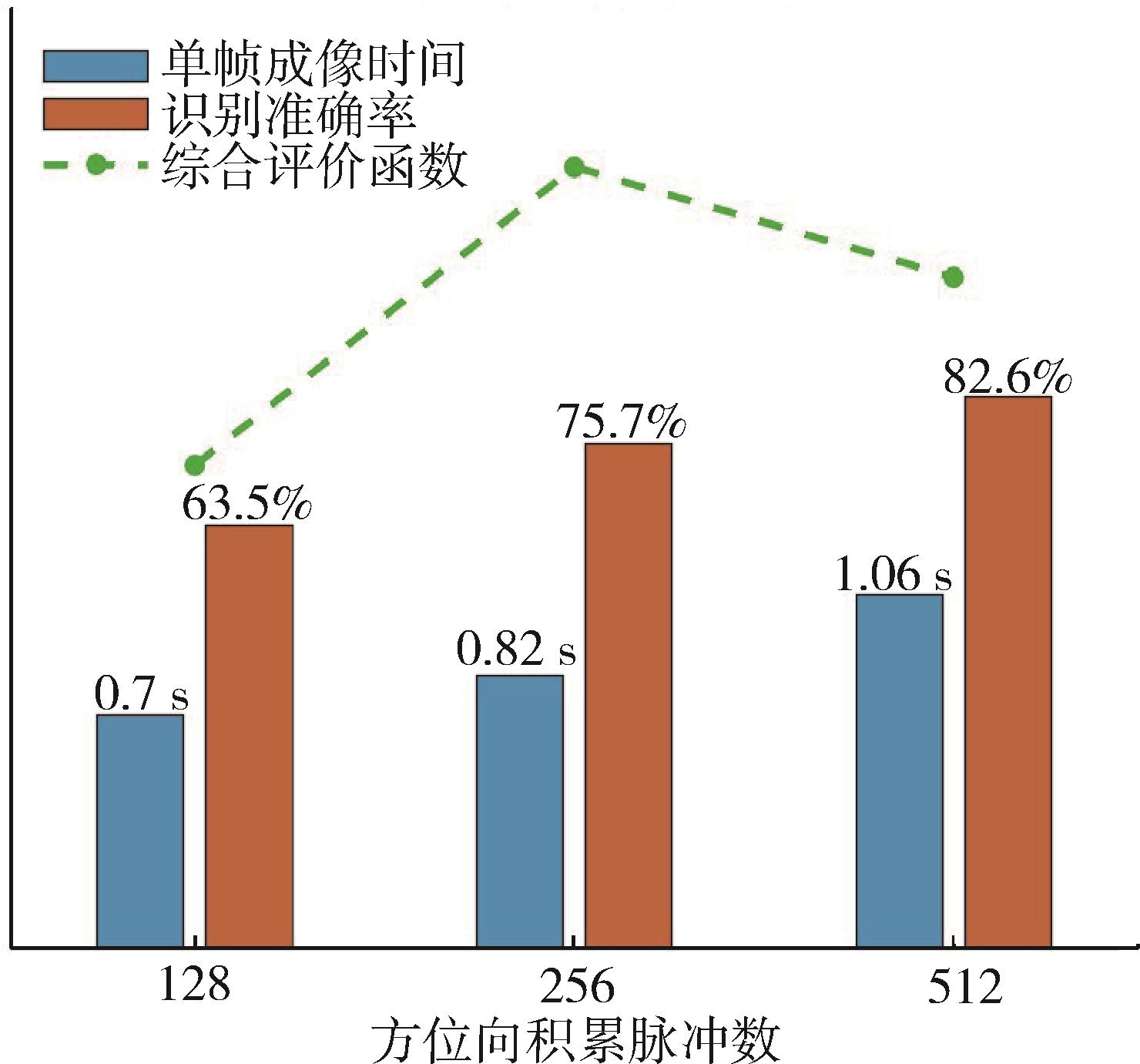
在复杂的现代战场环境中,高速运动的超近程合成孔径雷达对成像效率和分辨率提出了更高要求,二者间的平衡成为超近程系统成像的关键。为此,针对超近程雷达系统,基于BP算法提出了一种超近程系统的识效分辨成像优化与验证方法,该方法通过“阈值确立-场景适配-参数优化”来平衡目标识别准确率、成像效率以及分辨率之间的关系:根据目标识别准确率需求确定最低可用分辨率,在优先保障超近程系统成像效率的前提下,基于综合评价函数筛选满足识别准确率的最优参数组合。在太赫兹波段通过数字化仿真给出“识别准确率-成像效率-分辨率”三者的对应关系,基于综合评价函数结果选出最优参数组合,进一步利用模型实测试验验证该方法的有效性。该方法通过综合评价函数将成像效率与分辨率的矛盾转化为可控量化问题,为超近程系统的SAR成像提供从理论算法到工程落地的经验方案,有效提升武器装备在复杂环境下的目标探测识别与精准打击能力。

关键词: 超近程, 合成孔径雷达, 后向投影算法, 成像优化, 试验验证

Abstract:

In complex modern battlefield environments, ultra-short-range synthetic aperture radars (SARs), operating at a high speed, place increasingly stringent demands on imaging efficiency and resolution. The balance between these two factors becomes the key to imaging of ultra-short-range systems. Therefore, an imaging optimization and verification method based on the back projection (BP) algorithm is proposed for ultra-short-range systems under the recognition-efficiency-resolution (RER) framework. Through a three-stage approach of threshold establishment, scene adaptation, and parameter optimization, a balance is achieved among target recognition accuracy, imaging efficiency, and resolution: The minimum usable resolution is determined based on the target recognition accuracy requirements; under the premise of giving priority to ensuring the imaging efficiency of the ultra-short-range system, the optimal parameter combination that satisfies the recognition accuracy is selected using a comprehensive evaluation function. In the terahertz band, a corresponding relationship among recognition accuracy, imaging efficiency, and resolution is established through digital simulations, and the optimal parameter combination is selected according to the results of the comprehensive evaluation function. Further, the effectiveness of this method is verified through actual model tests. By introducing the comprehensive evaluationfunction, the proposed method converts the trade-off between imaging efficiency and resolution into a controllable and quantifiable problem, providing a practical solution that bridges theoretical algorithms with engineering application for SAR imaging of ultra-short-range systems, and thereby effectively enhancing the target detection, recognition, and precision strike capabilities of weapon equipment in complex environments.

Key words: ultra-short-range, synthetic aperture radar(SAR), back projection algorithm, imaging optimization, experimental verification

中图分类号: