Modern Defense Technology ›› 2026, Vol. 54 ›› Issue (4): 26-37.DOI: 10.3969/j.issn.1009-086x.2026.04.003
• PAPERS • Previous Articles Next Articles
Wenjie ZHANG, Chengfei FAN, Jiawang TAN, Ao YANG
Received:2026-02-02
Revised:2026-05-02
Online:2026-08-28
Published:2026-09-01
Contact:
Chengfei FAN
通讯作者:
樊成飞
作者简介:张文杰(2002-),女,辽宁长海人。硕士生,研究方向为主动防护。
CLC Number:
Wenjie ZHANG, Chengfei FAN, Jiawang TAN, Ao YANG. Deployment Optimization of Anti-LSS-UAV Systems in Key Low-Altitude Areas[J]. Modern Defense Technology, 2026, 54(4): 26-37.
张文杰, 樊成飞, 檀佳旺, 杨澳. 反低慢小无人机系统重要低空区域部署优化[J]. 现代防御技术, 2026, 54(4): 26-37.
Add to citation manager EndNote|Ris|BibTeX
URL: https://www.xdfyjs.cn/EN/10.3969/j.issn.1009-086x.2026.04.003
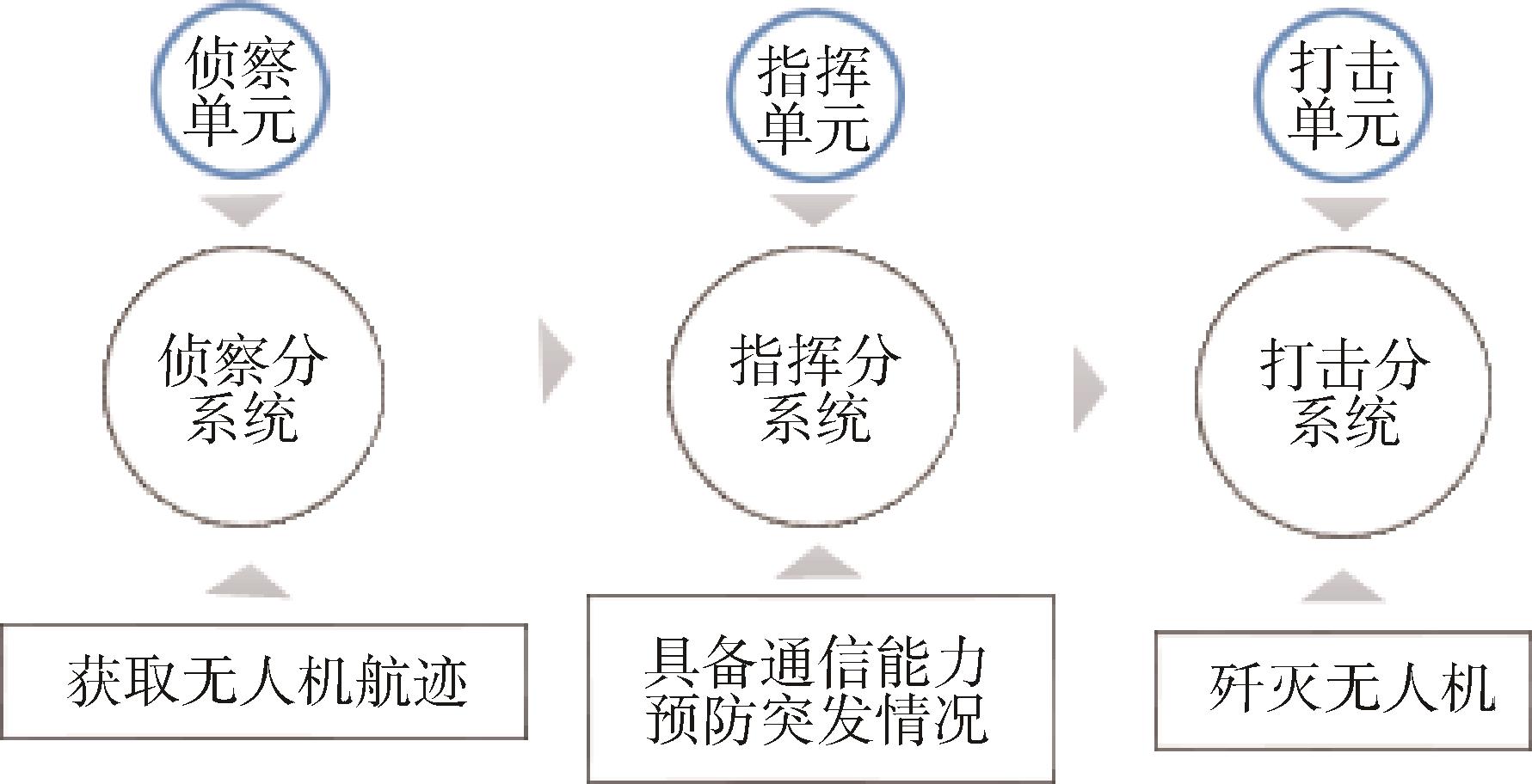
Fig. 1 Anti-UAV system
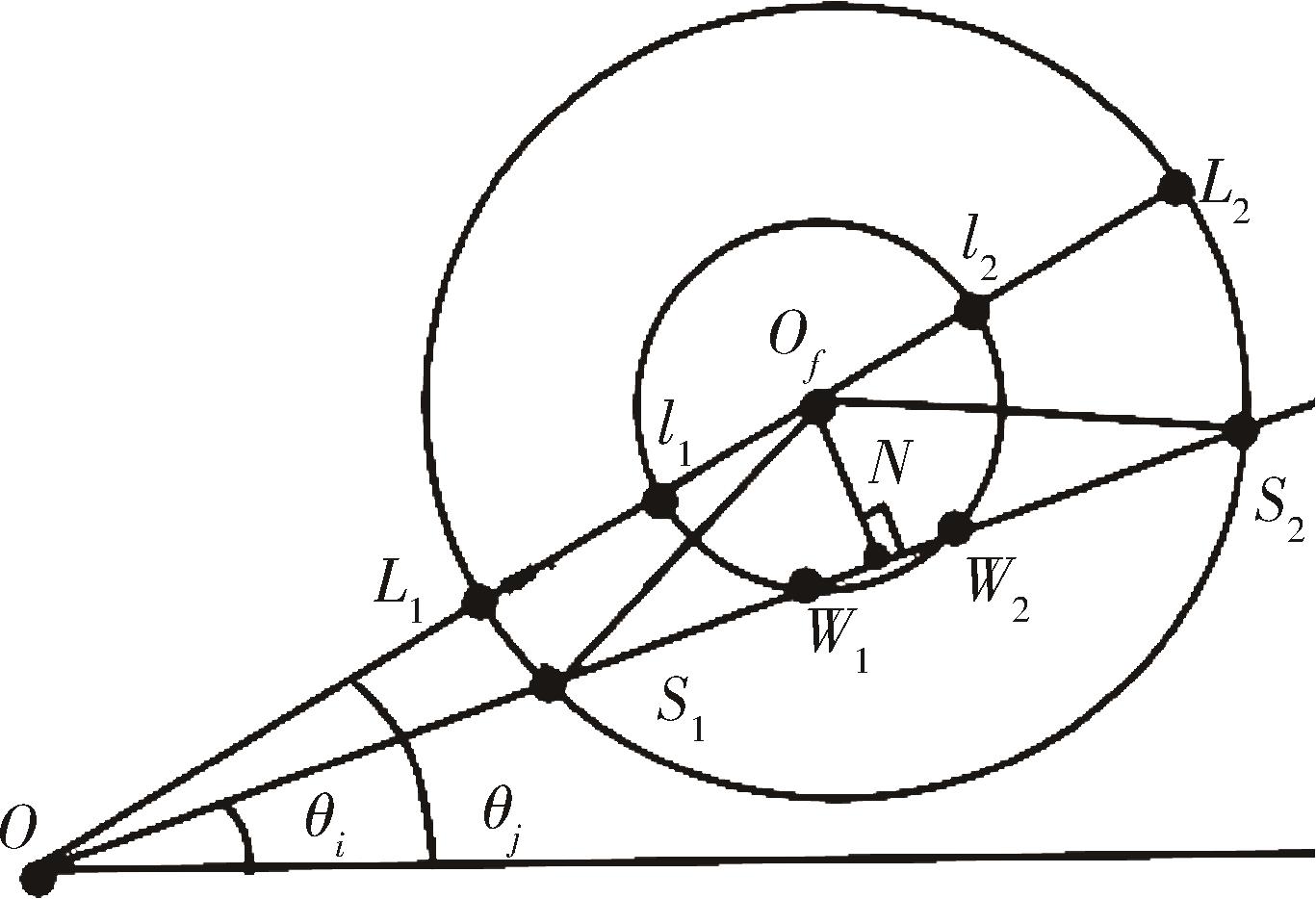
Fig. 2 Diagram of LSS-UAV trajectory
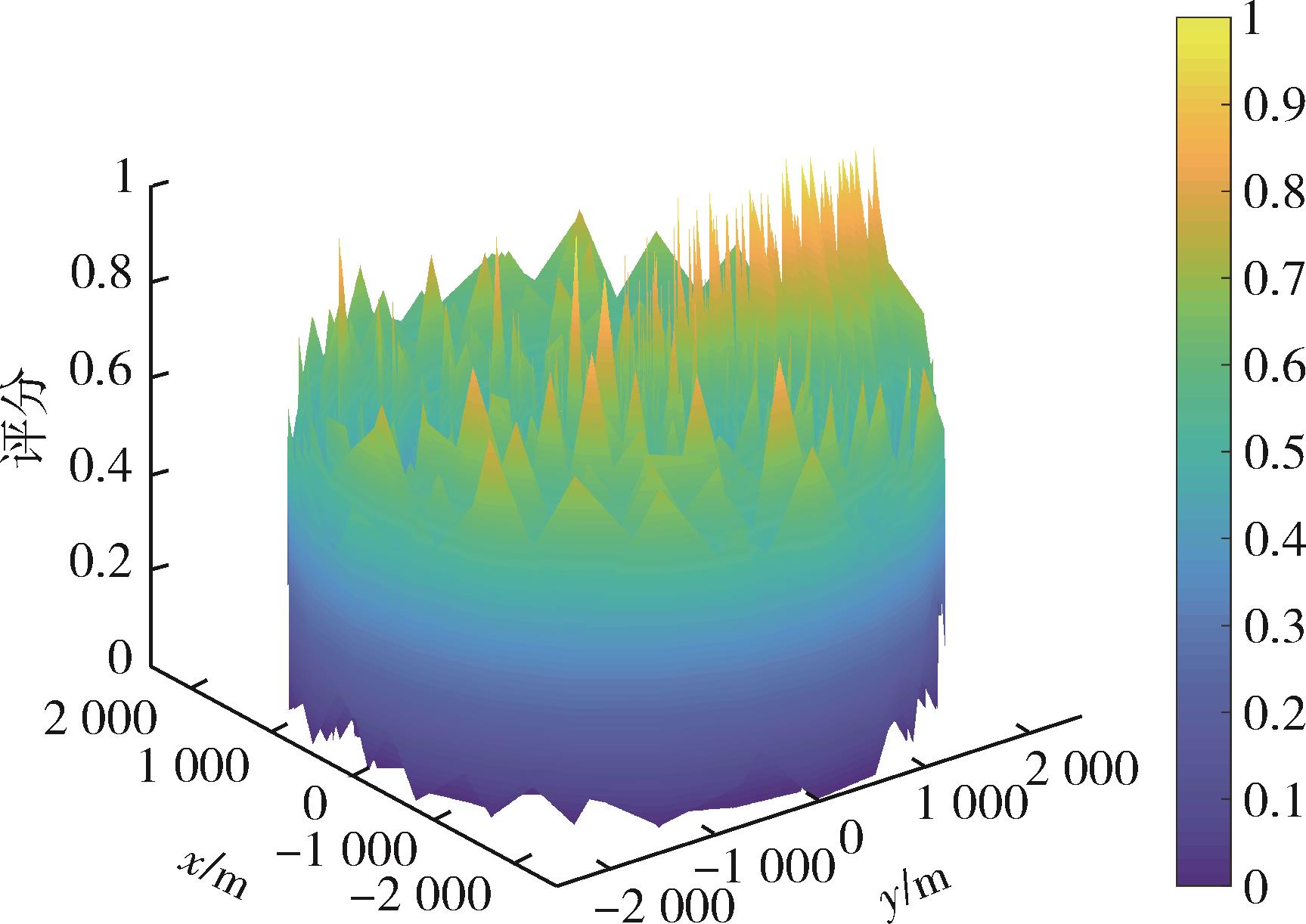
Fig. 3 Environmental score of key areas
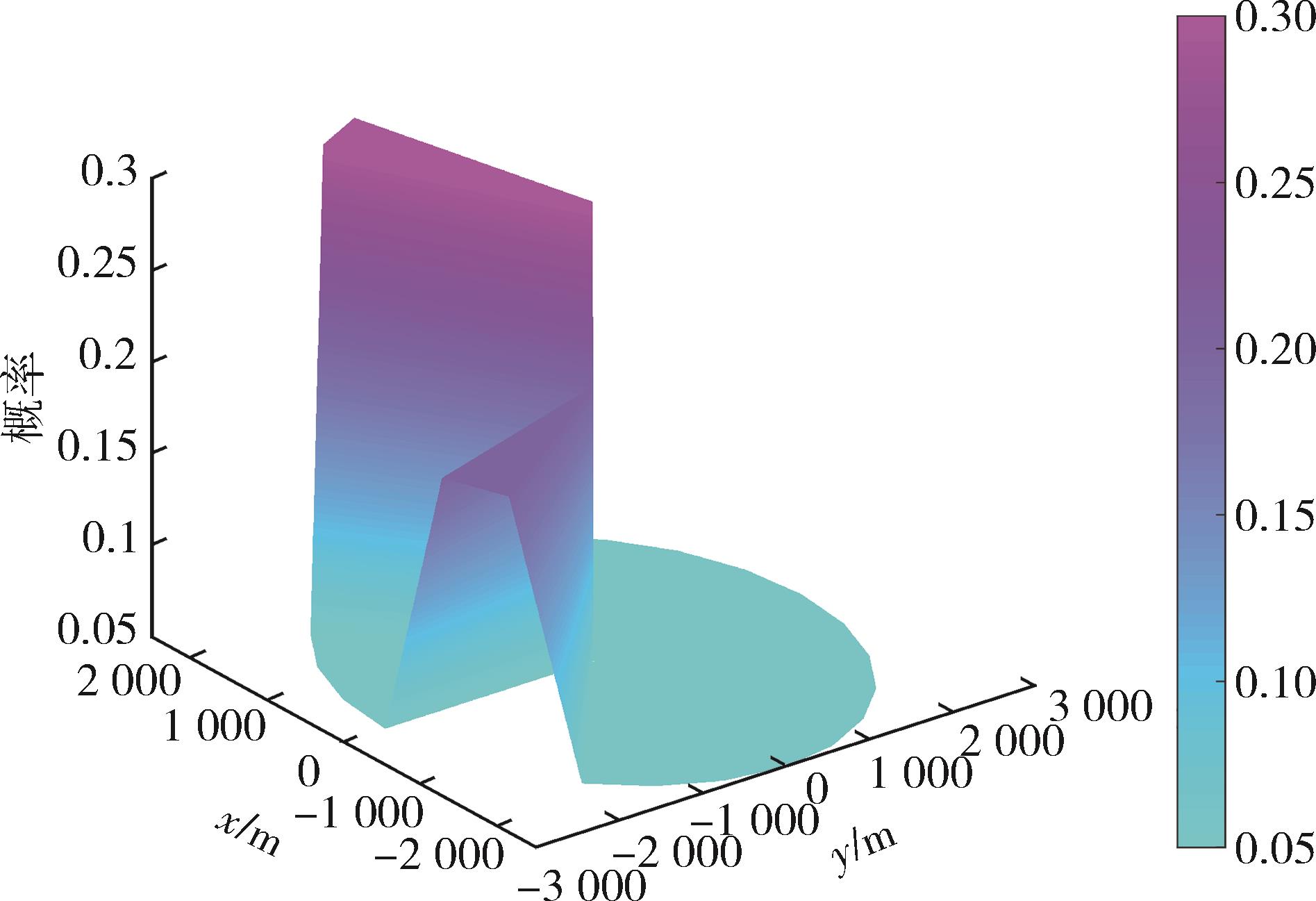
Fig. 4 Enemy attack probability distribution
| 算法参量 | 数值 | |
|---|---|---|
| 压缩因子PSO算法 | 学习因子c1、c2 | 1.5 |
| 最大速度限制值vmax | 10 | |
| 最大进化代数T | 50 | |
| 种群规模N | 24 | |
| GA | 交叉率Pc | 0.8 |
| 变异率Pm | 0.02 | |
| 最大遗传代数G | 50 | |
| 种群数量 | 24 | |
Table 1 Parameters of algorithm
| 算法参量 | 数值 | |
|---|---|---|
| 压缩因子PSO算法 | 学习因子c1、c2 | 1.5 |
| 最大速度限制值vmax | 10 | |
| 最大进化代数T | 50 | |
| 种群规模N | 24 | |
| GA | 交叉率Pc | 0.8 |
| 变异率Pm | 0.02 | |
| 最大遗传代数G | 50 | |
| 种群数量 | 24 | |
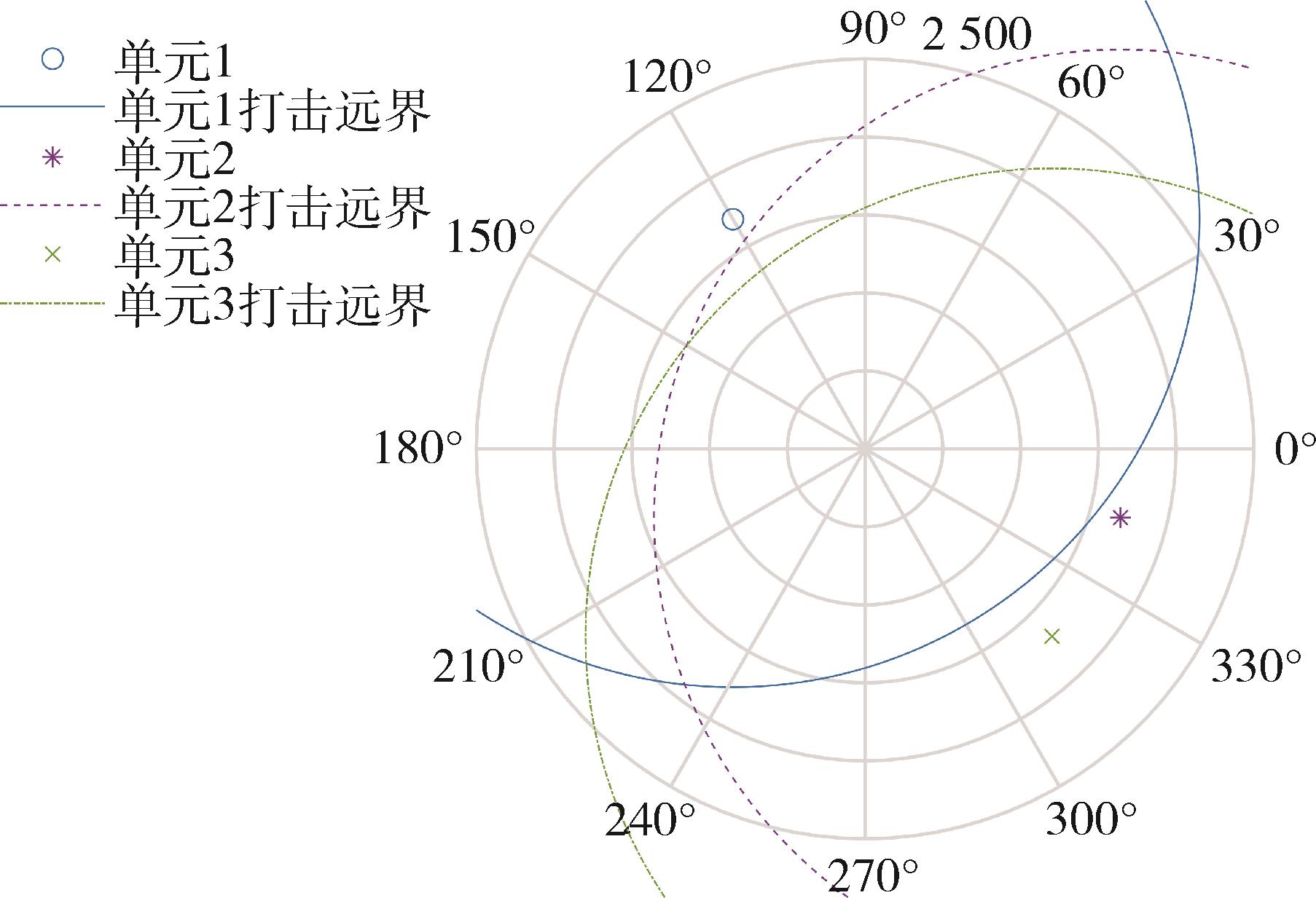
Fig. 5 Global optimal deployment plan
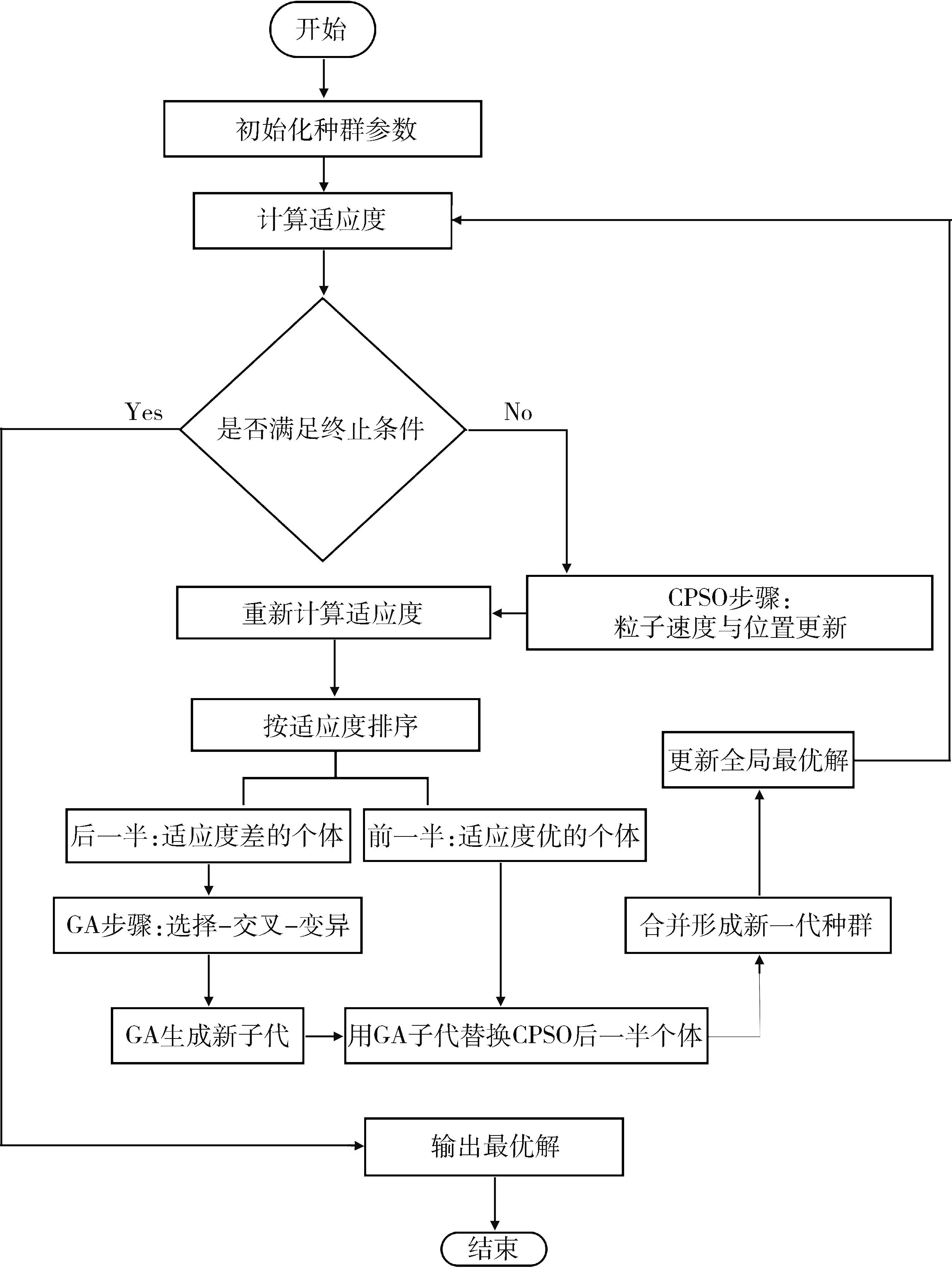
Fig. 6 Flow chart of compressed factor PSO-GA
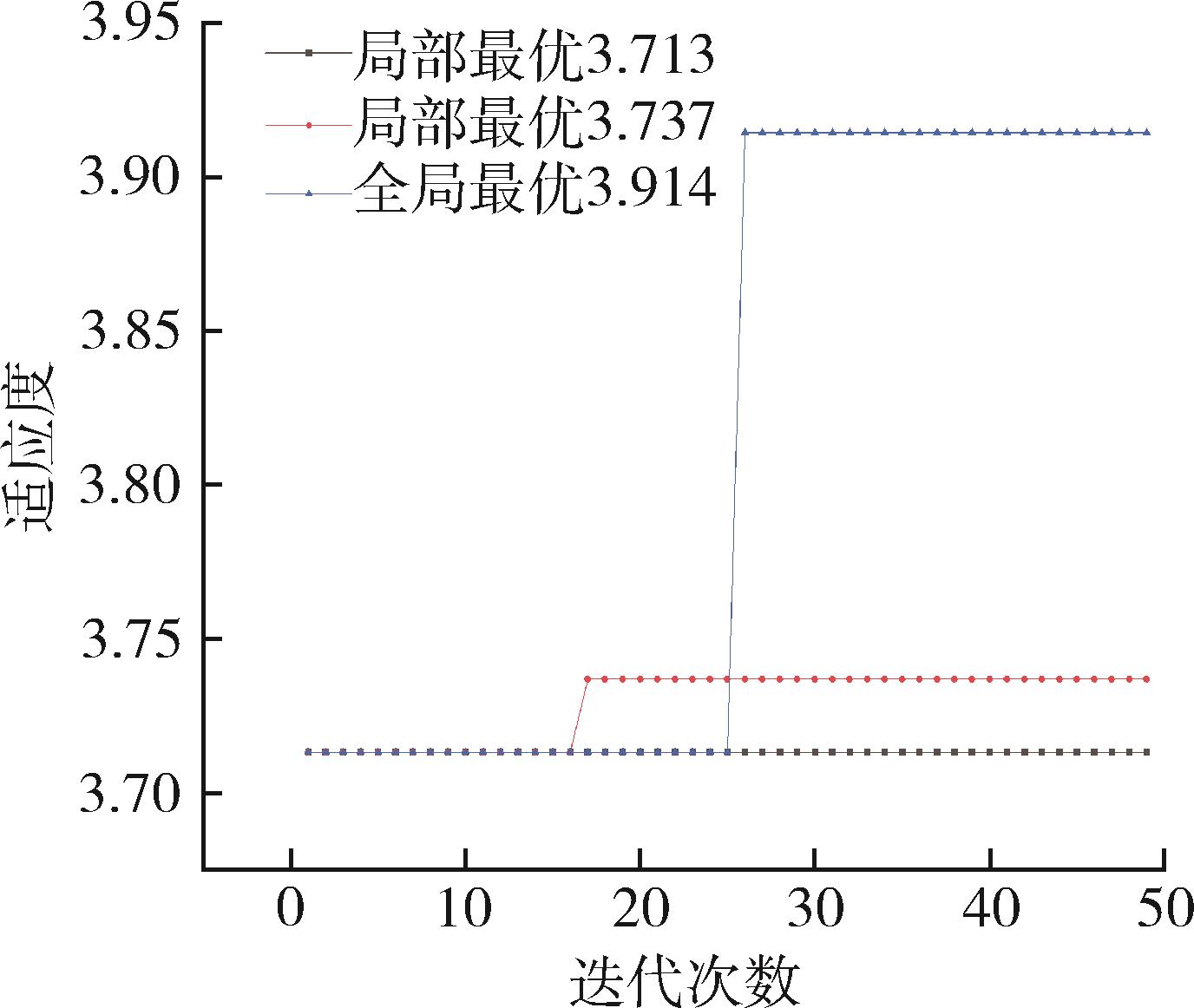
Fig. 7 Fitness evolution curves of compressed factor PSO-GA
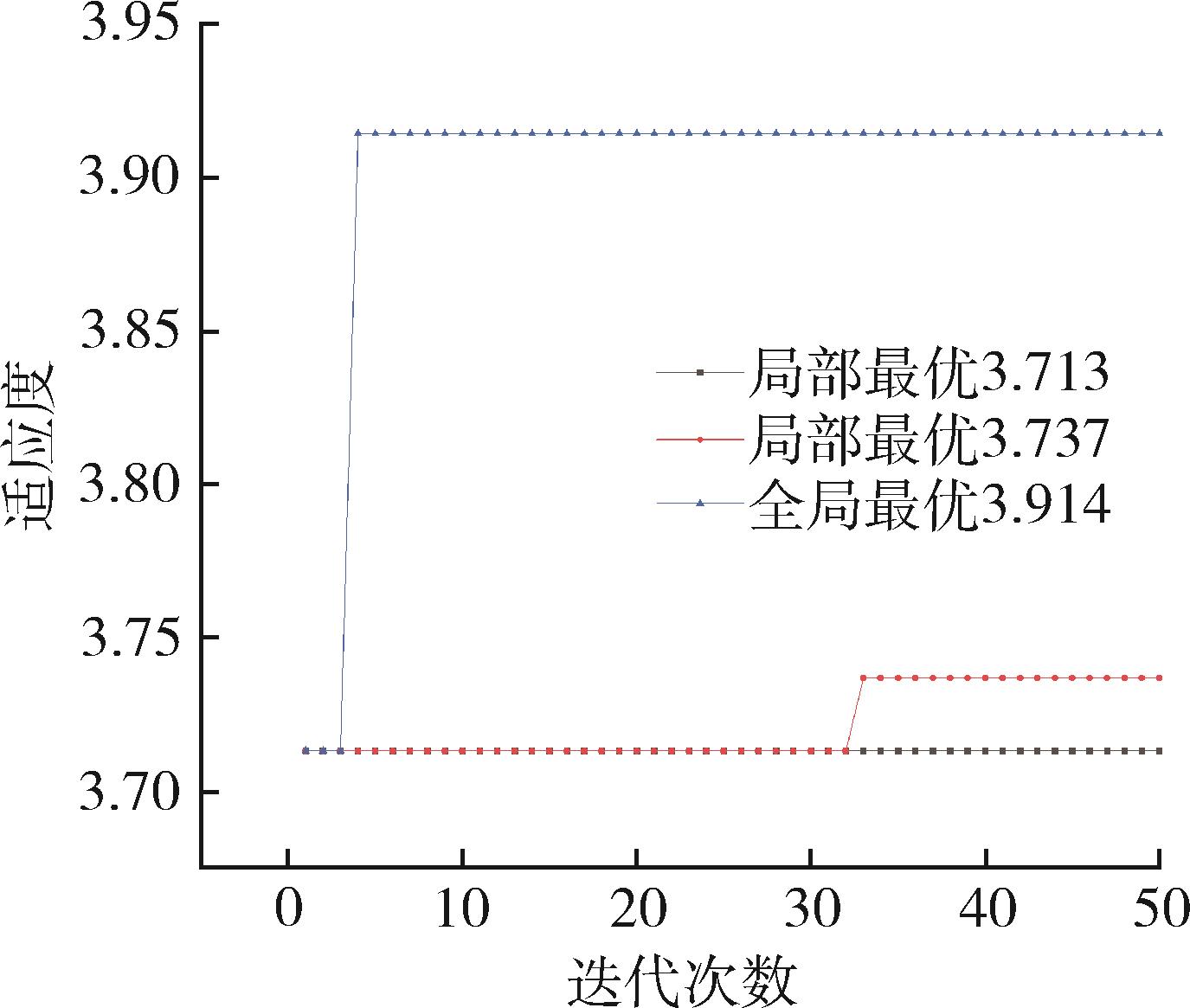
Fig. 8 Fitness evolution curves of compressed factor PSO
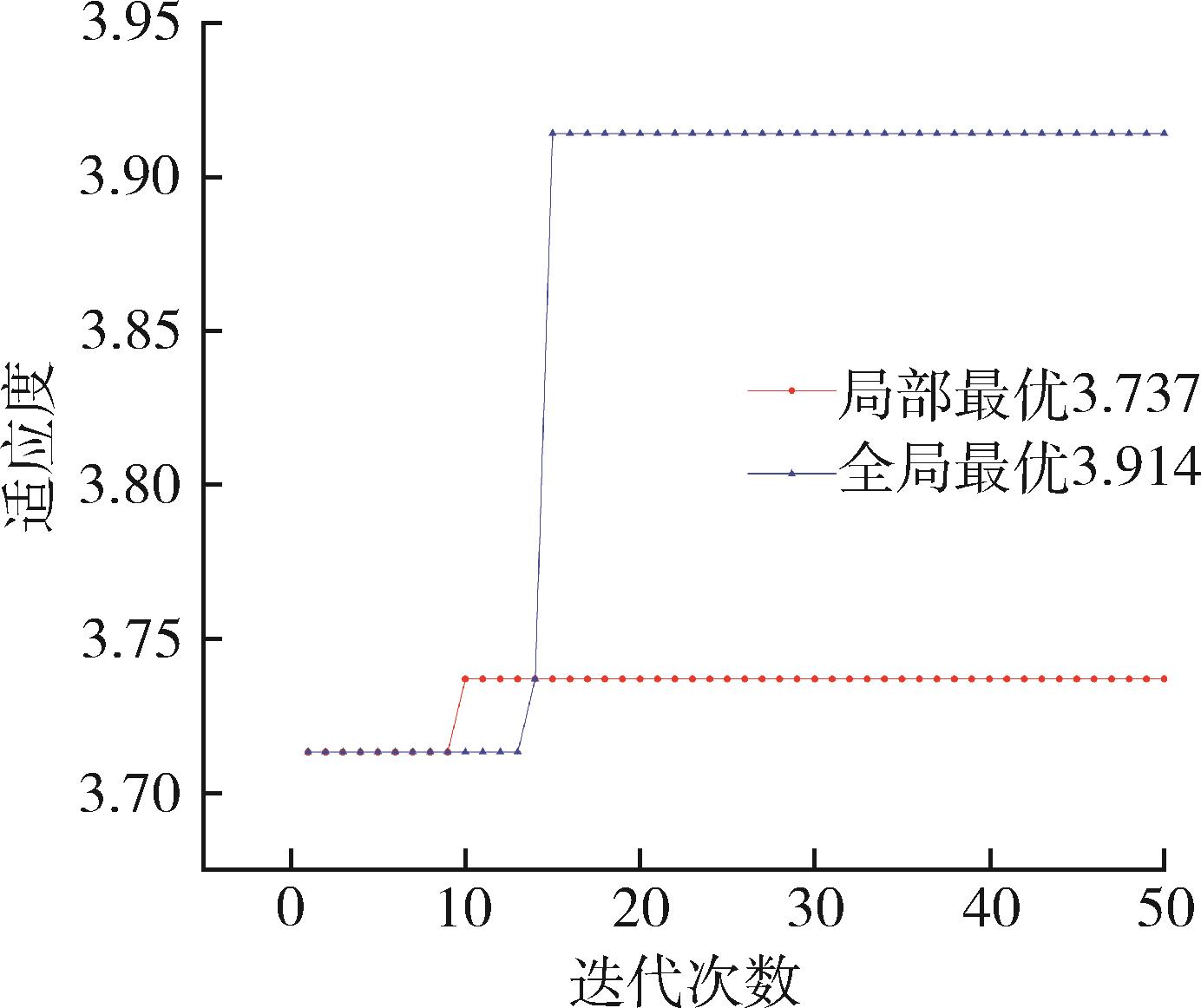
Fig. 9 Fitness evolution curves of GA
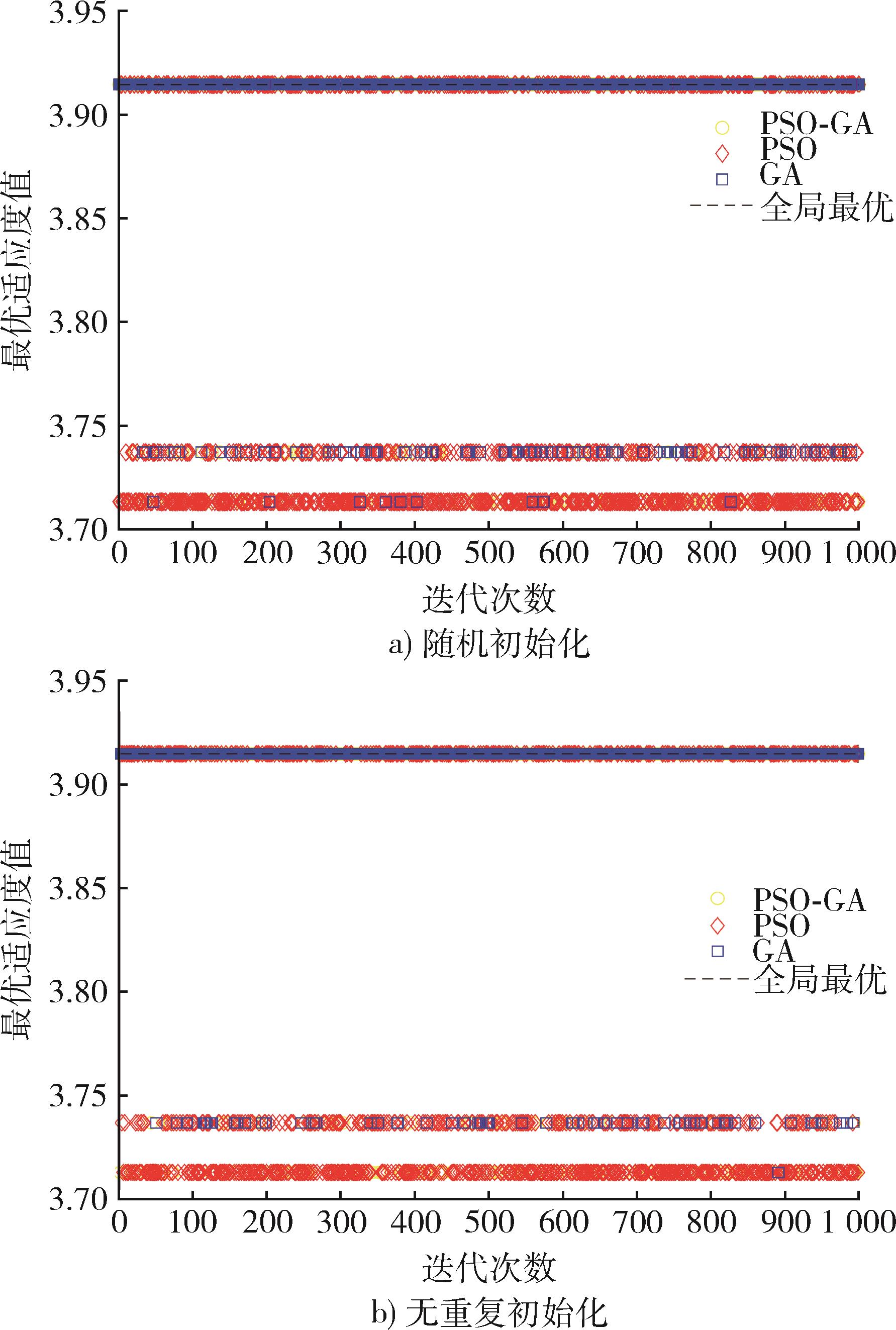
Fig. 10 Conditions of algorithmic deviation
| 算法 | 随机初始化 | 无重复初始化 | ||
|---|---|---|---|---|
偏离 概率 | 平均偏离值 | 偏离 概率 | 平均偏离值 | |
| 压缩因子PSO-GA | 0.136 | 0.026 | 0.124 | 0.024 |
| 压缩因子PSO算法 | 0.701 | 0.136 | 0.673 | 0.130 |
| GA | 0.098 | 0.018 | 0.065 | 0.012 |
Table 2 Statistics of algorithmic deviation
| 算法 | 随机初始化 | 无重复初始化 | ||
|---|---|---|---|---|
偏离 概率 | 平均偏离值 | 偏离 概率 | 平均偏离值 | |
| 压缩因子PSO-GA | 0.136 | 0.026 | 0.124 | 0.024 |
| 压缩因子PSO算法 | 0.701 | 0.136 | 0.673 | 0.130 |
| GA | 0.098 | 0.018 | 0.065 | 0.012 |
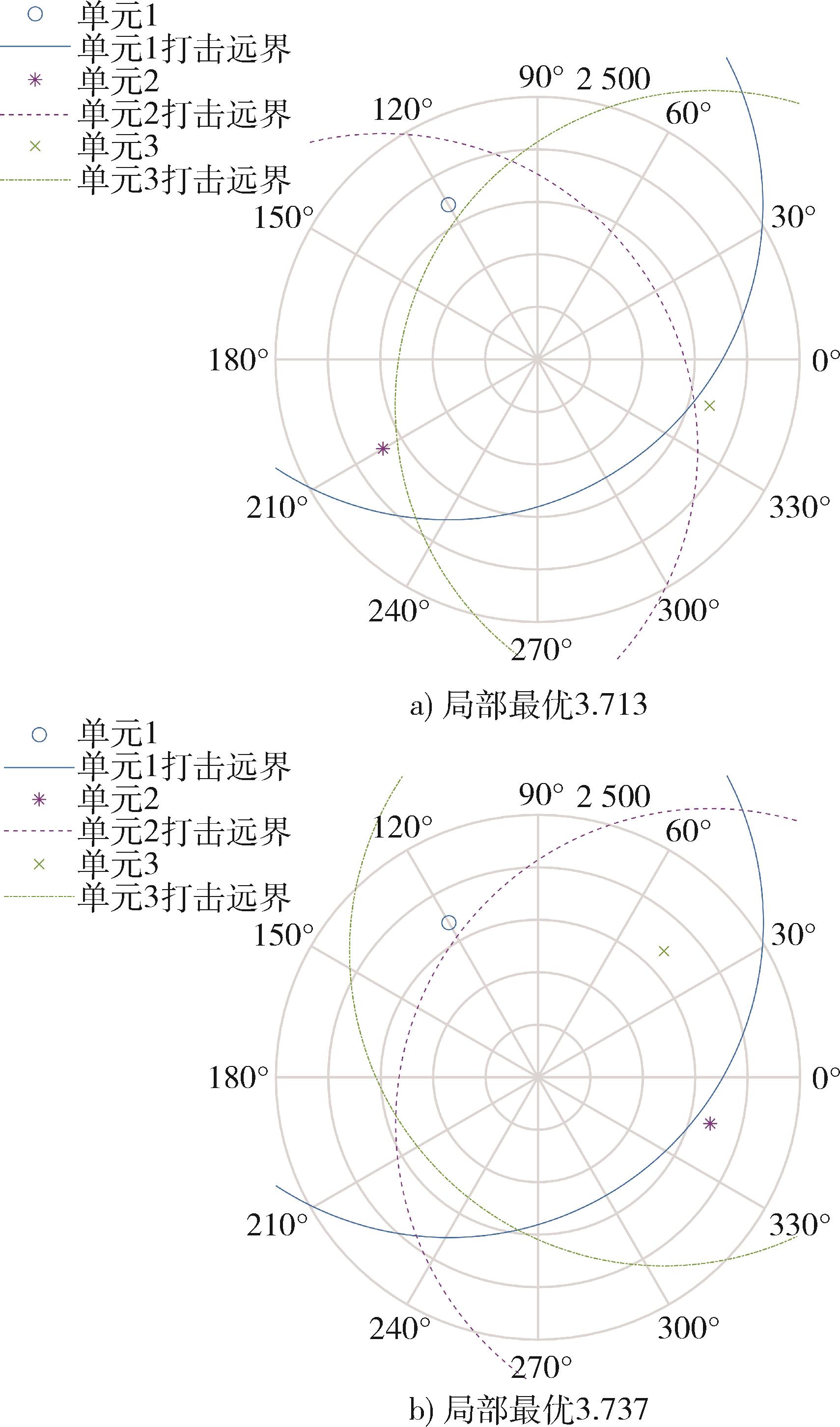
Fig. 11 Two locally optimal deployment plans
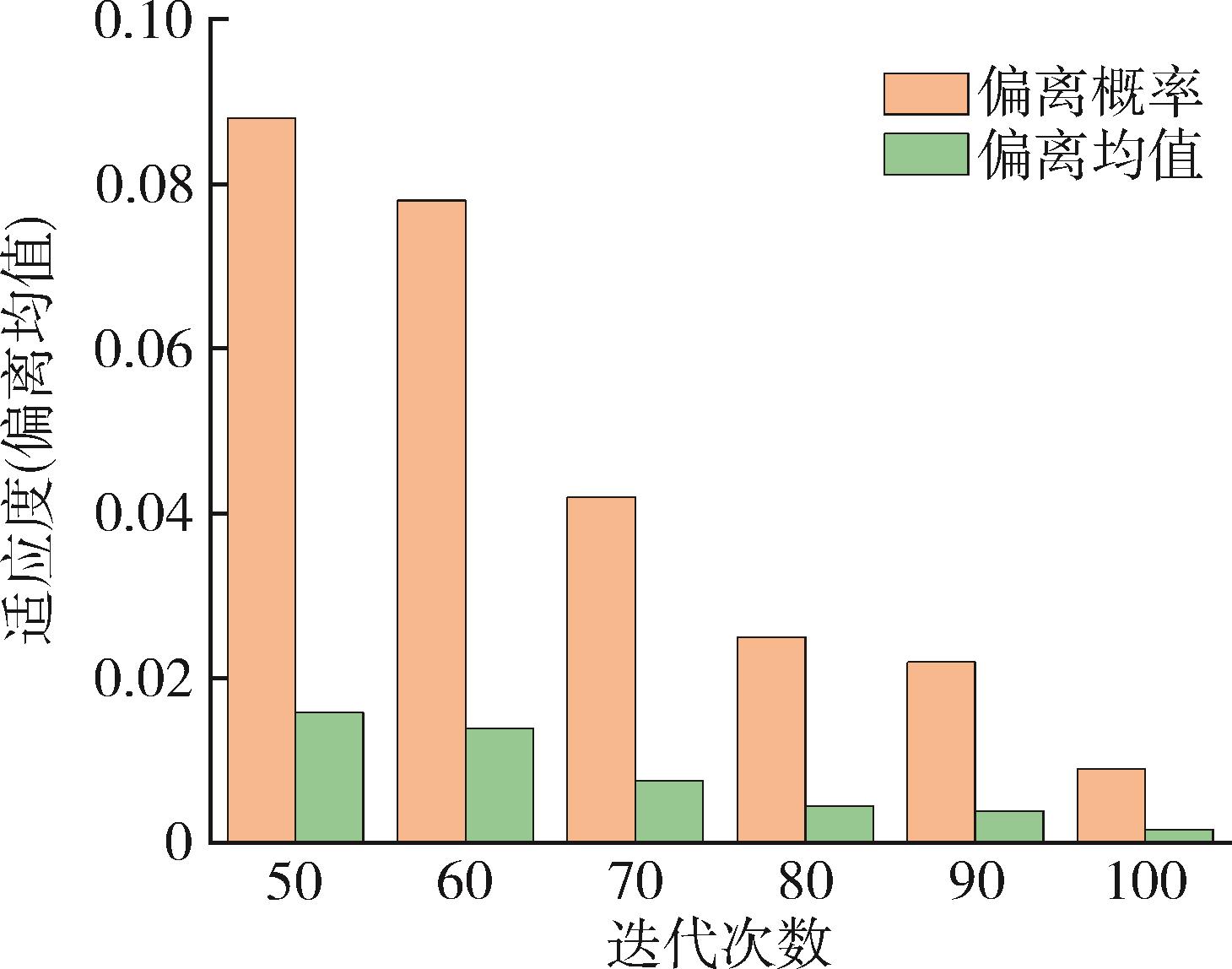
Fig. 12 Statistics of GA deviation for different iterations
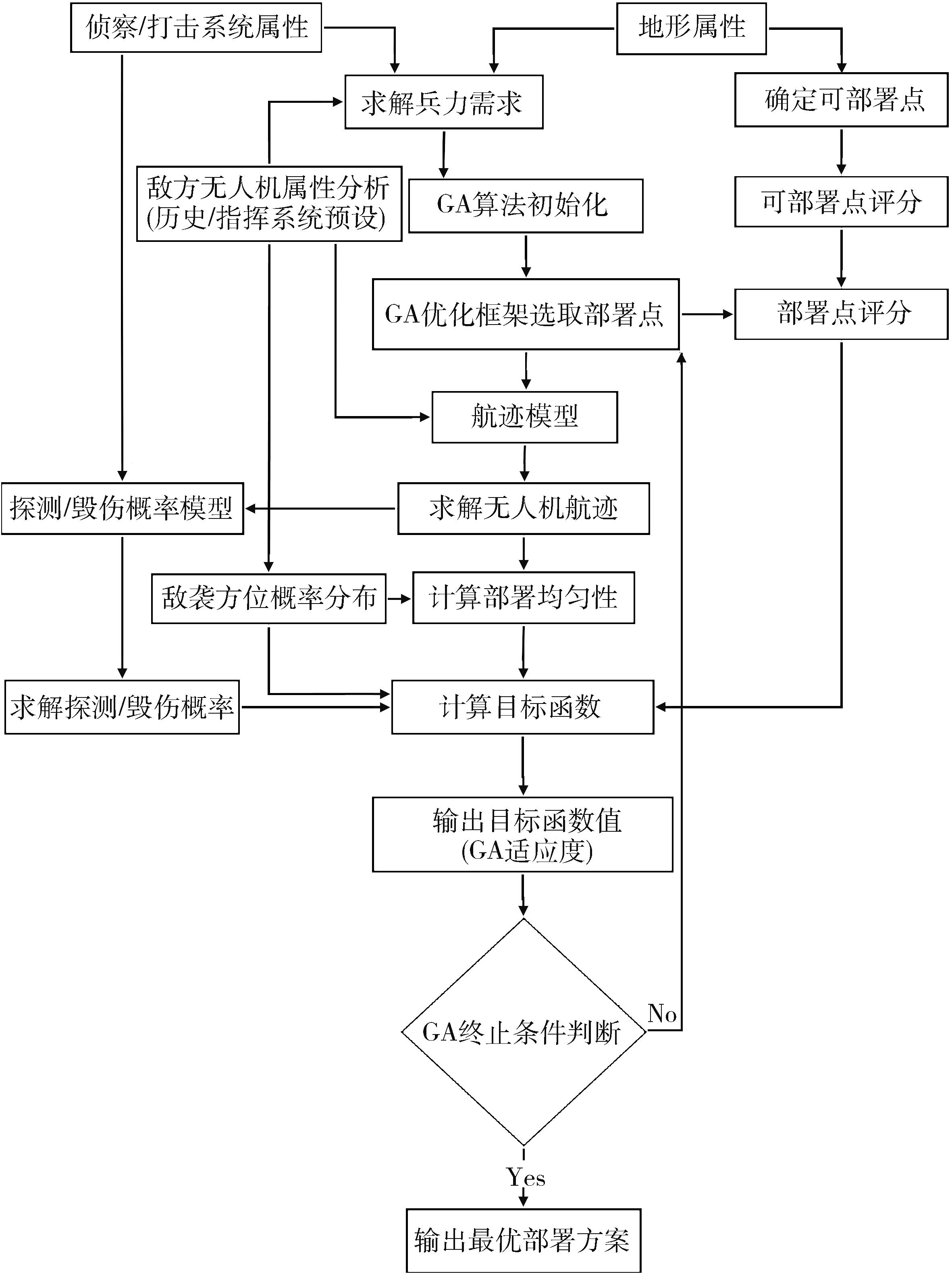
Fig. 13 Deployment optimization model for a small key area based on GA
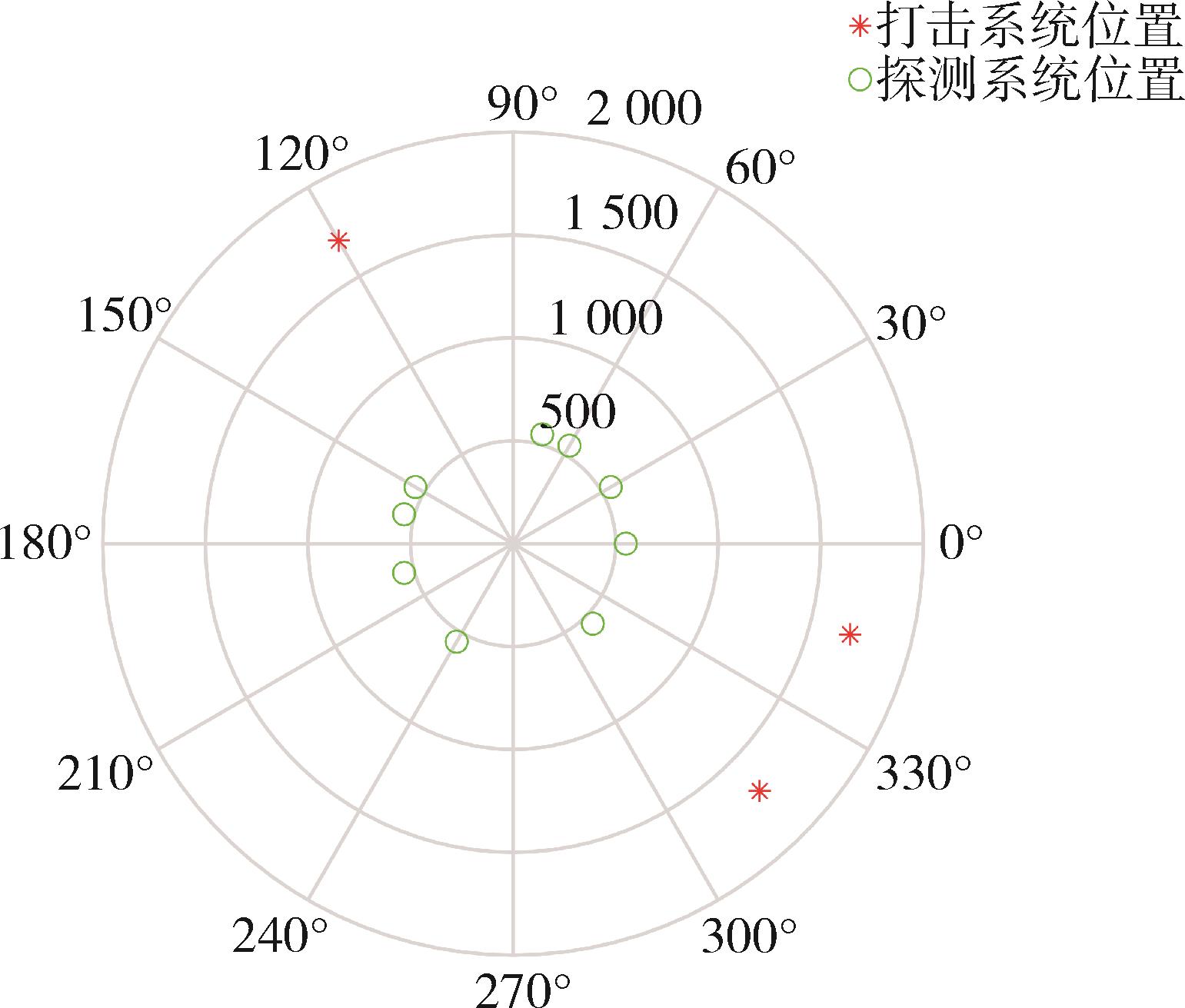
Fig. 14 Deployment plan
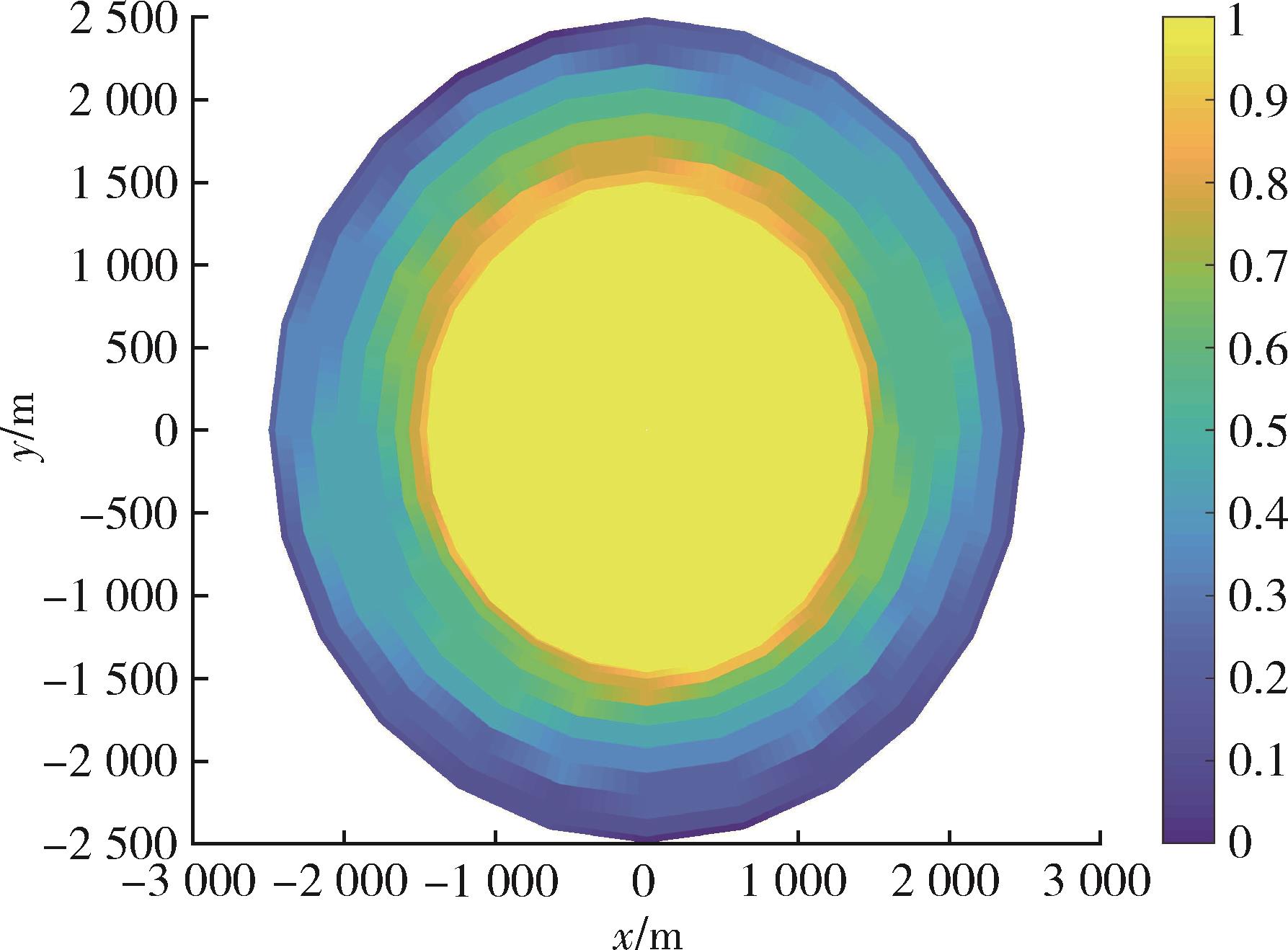
Fig. 15 Distribution of overlap ratio in detection coverage
| [1] | 陈晔. 小型无人机双目视觉定位系统实现与探索[D]. 镇江: 江苏大学, 2017. |
| CHEN Ye. Realization and Exploration of Binocular Vision Odometry System for Small UAV[D]. Zhenjiang: Jiangsu University, 2017. | |
| [2] | 董尚委, 田志敏, 田策, 等. 重要军事建筑对无人机的防护问题研究[J]. 防护工程, 2022, 44(2): 72-78. |
| DONG Shangwei, TIAN Zhimin, TIAN Ce, et al. Research on Protection of Important Military Constructions Against UAV Incursions[J]. Protective Engineering, 2022, 44(2): 72-78. | |
| [3] | 夏雪, 刘庆颢. 低空小型无人机遥感影像系统的轻量化与智能化协同优化研究[J]. 桂林航天工业学院学报, 2025, 30(5): 732-745. |
| XIA Xue, LIU Qinghao. Study on Collaborative Optimization of Lightweight and Intelligent for Low-Altitude Small UAV Remote Sensing Imaging Systems[J]. Journal of Guilin University of Aerospace Technology, 2025, 30(5): 732-745. | |
| [4] | 王创维, 黄雨辰, 王聪, 等. 2024年国外防空反导领域进展及发展启示[J]. 空天防御, 2025, 8(2): 18-26. |
| WANG Chuangwei, HUANG Yuchen, WANG Cong, et al. Progress and Development Enlightenment in the Field of Foreign Air Defence and Anti-missile in 2024[J]. Air & Space Defense, 2025, 8(2): 18-26. | |
| [5] | 侯海瑞, 张春, 王华天, 等. 从空袭模式转变分析末端防空装备发展[J]. 火炮发射与控制学报, 2025, 46(6): 55-59. |
| HOU Hairui, ZHANG Chun, WANG Huatian, et al. Analyzing Development of Terminal Air Defense Equipment from Transformed Airstrike Patterns[J]. Journal of Gun Launch & Control, 2025, 46(6): 55-59. | |
| [6] | 邱小剑, 骆博雅, 付珍, 等. 国内外反无人机技术发展综述[J]. 战术导弹技术, 2024(5): 63-73, 98. |
| QIU Xiaojian, LUO Boya, FU Zhen, et al. An Overview on Development of Domestic and Foreign Anti-UAV Technology[J]. Tactical Missile Technology, 2024(5): 63-73, 98. | |
| [7] | 刘雷, 刘大卫, 王晓光, 等. 无人机集群与反无人机集群发展现状及展望[J]. 航空学报, 2022, 43(增1): 4-20. |
| LIU Lei, LIU Dawei, WANG Xiaoguang, et al. Development Status and Outlook of UAV Clusters and Anti-UAV Clusters[J]. Acta Aeronautica et Astronautica Sinica, 2022, 43(S1): 4-20. | |
| [8] | 束哲, 刘芳, 徐海洋, 等. 国外反无人机装备发展态势及启示[J]. 国防科技, 2024, 45(4): 43-53. |
| SHU Zhe, LIU Fang, XU Haiyang, et al. Development Trends and Inspirations of Anti-UAV Equipment Overseas[J]. National Defense Technology, 2024, 45(4): 43-53. | |
| [9] | KHAWAJA W, SEMKIN V, RATYAL N I, et al. Threats from and Countermeasures for Unmanned Aerial and Underwater Vehicles[J]. Sensors, 2022, 22(10): 3896. |
| [10] | 袁道任, 谢全威, 王端. 激光武器融入末端防空作战运用研究[J]. 现代防御技术, 2025, 53(5): 21-28. |
| YUAN Daoren, XIE Quanwei, WANG Duan. Study on Application of Laser Weapons in Terminal Air Defense[J]. Modern Defence Technology, 2025, 53(5): 21-28. | |
| [11] | 陈凯柏, 高博, 高敏, 等. 电子系统高功率微波效应研究进展[J]. 系统工程与电子技术, 2025, 47(8): 2429-2443. |
| CHEN Kaibai, GAO Bo, GAO Min, et al. Research Progress on High-Power Microwave Effects in Electronic Systems[J]. Systems Engineering and Electronics, 2025, 47(8): 2429-2443. | |
| [12] | 曹嘉平, 欧萌歆, 李易珊, 等. 岛礁防空电子对抗装备体系构建与效能评估[J]. 系统工程与电子技术, 2023, 45(9): 2784-2792. |
| CAO Jiaping, OU Mengxin, LI Yishan, et al. Island Air Defense Electronic Countermeasure Equipment System Construction and Effectiveness Evaluation[J]. Systems Engineering and Electronics, 2023, 45(9): 2784-2792. | |
| [13] | 刘朝琪, 文立华. 末端防空导弹发展现状及弹族架构方案分析[J]. 现代防御技术, 2022, 50(4): 45-51. |
| LIU Chaoqi, WEN Lihua. Development Status of End Defense Missile and Design Analysis of the Missile Family Architecture[J]. Modern Defence Technology, 2022, 50(4): 45-51. | |
| [14] | 周加永, 张韬, 王亮宽, 等. 国外末端防空火炮发展新动态与启示[J]. 兵器装备工程学报, 2024, 45(9): 95-103, 151. |
| ZHOU Jiayong, ZHANG Tao, WANG Liangkuan, et al. New Developments and Inspirations of Foreign Terminal Anti-aircraft Artillery[J]. Journal of Ordnance Equipment Engineering, 2024, 45(9): 95-103, 151. | |
| [15] | 吴家明. 地面防空武器系统混合部署方法研究[D]. 长沙: 国防科学技术大学, 2009. |
| WU Jiaming. Research on the Hybrid Disposition of Ground Air Defense Weapon System[D]. Changsha: National University of Defense Technology, 2009. | |
| [16] | 丁舒忻, 陈晨, 辛斌, 等. 火力单元部署优化问题的现状与进展[J]. 控制理论与应用, 2015, 32(12): 1569-1581. |
| DING Shuxin, CHEN Chen, XIN Bin, et al. Status and Progress in Deployment Optimization of Firepower Units[J]. Control Theory & Applications, 2015, 32(12): 1569-1581. | |
| [17] | 钟伟杰, 李小兵, 常昊天, 等. 基于嵌套PSO算法的反无人机集群防空部署模型[J]. 电光与控制, 2021, 28(12): 6-10, 16. |
| ZHONG Weijie, LI Xiaobing, CHANG Haotian, et al. A Model for Air Defense Deployment Against UAV Swarm Based on Nested PSO Algorithm[J]. Electronics Optics & Control, 2021, 28(12): 6-10, 16. | |
| [18] | 李烨, 郑纯, 马长胜, 等. 基于拦截效率最大化的高功率微波武器系统与中近程防空武器协同作战目标分配模型[J]. 兵工学报, 2023, 44(11): 3489-3497. |
| LI Ye, ZHENG Chun, MA Changsheng, et al. Target Assignment Model for High-Power Microwave Weapon System and Medium and Short-Range Air Defense Weapons in Cooperative Combat Based on Maximizing Interception Efficiency[J]. Acta Armamentarii, 2023, 44(11): 3489-3497. | |
| [19] | 刘富樯, 刘中阳, 周伦, 等. 基于改进粒子群优化和Stackelberg博弈的武器部署[J]. 自动化学报, 2025, 51(5): 1080-1091. |
| LIU Fuqiang, LIU Zhongyang, ZHOU Lun, et al. Weapon Deployment Based on Improved Particle Swarm Optimization and Stackelberg Game[J]. Acta Automatica Sinica, 2025, 51(5): 1080-1091. | |
| [20] | BANAVAR J R, MARITAN A, VOLKOV I. Applications of the Principle of Maximum Entropy: From Physics to Ecology[J]. Journal of Physics: Condensed Matter, 2010, 22(6): 063101. |
| [21] | 王涛, 苏延召, 李爱华, 等. 末端防御系统建模与仿真[M]. 北京: 北京理工大学出版社, 2022. |
| WANG Tao, SU Yanzhao, LI Aihua, et al. Modeling and Simulation of Terminal Defense System[M]. Beijing: Beijing Institute of Technology Press, 2022. | |
| [22] | 梁甲慧, 张策. 末端防空作战基于不同配置形式的兵力需求模型研究[J]. 舰船电子工程, 2020, 40(12): 20-24. |
| LIANG Jiahui, ZHANG Ce. Research on Force Demand Model of Terminal Air Defense Based on Different Configuration[J]. Ship Electronic Engineering, 2020, 40(12): 20-24. | |
| [23] | 刘鸿福, 翁郁, 王志强. 弹炮结合防空系统作战部署建模与分析[J]. 现代防御技术, 2016, 44(6): 7-12. |
| LIU Hongfu, WENG Yu, WANG Zhiqiang. Combat Deployment Modeling and Analysis of Air Defense System in Combination with Missile-Gun[J]. Modern Defence Technology, 2016, 44(6): 7-12. | |
| [24] | 温包谦, 王涛, 成坤, 等. 基于PSQ-GA混合算法的末端防御兵力优化部署方法[J]. 兵器装备工程学报, 2019, 40(11): 45-49. |
| WEN Baoqian, WANG Tao, CHENG Kun, et al. End-Defense Force Optimization Deployment Method Based on PSO-GA Hybrid Algorithm[J]. Journal of Ordnance Equipment Engineering, 2019, 40(11): 45-49. | |
| [25] | 包子阳, 余继周, 杨杉. 智能优化算法及其MATLAB实例[M]. 3版. 北京: 电子工业出版社, 2021. |
| BAO Ziyang, YU Jizhou, YANG Shan. Intelligent Optimization Algorithms and Their MATLAB Examples[M]. 3rd ed. Beijing: Publishing House of Electronics Industry, 2021. | |
| [26] | 倪全贵. 粒子群遗传混合算法及其在函数优化上的应用[D]. 广州: 华南理工大学, 2014. |
| NI Quangui. Hybrid Algorithm Based on Particle Swarm Optimization and Genetic Algorithm and Its Application in Function Optimization[D]. Guangzhou: South China University of Technology, 2014. | |
| [27] | 李红亚, 彭昱忠, 邓楚燕, 等. GA与PSO的混合研究综述[J]. 计算机工程与应用, 2018, 54(2): 20-28, 39. |
| LI Hongya, PENG Yuzhong, DENG Chuyan, et al. Review of Hybrids of GA and PSO[J]. Computer Engineering and Applications, 2018, 54(2): 20-28, 39. | |
| [28] | CLERC M, KENNEDY J. The Particle Swarm-Explosion, Stability, and Convergence in a Multidimensional Complex Space[J]. IEEE Transactions on Evolutionary Computation, 2002, 6(1): 58-73. |
| [29] | HOLLAND J H. Adaptation in Natural and Artificial Systems: An Introductory Analysis with Applications to Biology, Control, and Artificial Intelligence[M]. Cambridge: The MIT Press, 1992. |
| [1] | Gencheng LI, Ling QI. Exploration of Reliability Qualification Test for Air-to-Air Missile with Dual matching Components [J]. Modern Defense Technology, 2026, 54(3): 201-207. |
| [2] | Shuai ZHANG, Xiaowen HAN, Xiang JI, Zhenyu ZANG, Zhe LI, Xiaolan QUAN, Zhenyu HE. Design and Implementation of Launch Control Data Processing Equipment Based on Dual-host Redundancy [J]. Modern Defense Technology, 2025, 53(5): 182-196. |
| [3] | Jianyin ZHAO, Jingwei JIANG, Shuntao WEI. Reliability Assessment Method Based on Improved Unscented Kalman Filter [J]. Modern Defense Technology, 2025, 53(4): 129-139. |
| [4] | Yuanmeng ZHANG, Zhengzheng GE, Yuwei LI, Wei MA. Missile Storage Reliability Evaluation Based on Isotonic Regression [J]. Modern Defense Technology, 2024, 52(6): 112-119. |
| [5] | Jiaxi CHEN, Yuhao WANG, Chen CHENG, Xiaorui YUE. Research on the Evaluation Method of Launch Flight Reliability of Missile [J]. Modern Defense Technology, 2024, 52(3): 137-142. |
| [6] | Ying-bo LI, Li-li TAN, Kai-xuan WANG, Zhuo LIANG, Yan-peng PAN. Software Reliability Evaluation Method Based on Component Importance [J]. Modern Defense Technology, 2022, 50(6): 103-109. |
| [7] | Yun ZHAI, Bing HU, Duan-yang SHI. Reliability Evaluation Method of Radar Equipment Based on Improved AHP-Entropy Weight Method [J]. Modern Defense Technology, 2022, 50(4): 148-155. |
| [8] | Yu-wen GUO, Shi-meng WEI. Research on Planning and Verification Method for Trans-Field Support Resources [J]. Modern Defense Technology, 2022, 50(2): 76-83. |
| [9] | XIONG Na, MEI Tian-yu, LI Fei. Reliability Analysis of Complex System Based on Interval Bayesian Network [J]. Modern Defense Technology, 2021, 49(6): 90-97. |
| [10] | SHI Zhi-fu. Active Protection System and Technology Analysis for Military Helicopter [J]. Modern Defense Technology, 2021, 49(5): 1-6. |
| [11] | ZHU Hua-yuan, LI Jun-liang, WANG Li-ming, WANG Zheng, LIU Jian-chao. Reliability and Maintenance Cost Evaluation of Long-Period Service System [J]. Modern Defense Technology, 2021, 49(2): 86-94. |
| [12] | ZHOU Chun-ming, GAN Zu-wang, HE Yun-kun, ZHAO Min. Method of Navigation Reliability Assessment Based on Mission Performing Mode [J]. Modern Defense Technology, 2020, 48(6): 103-107. |
| [13] | GAO Ya-juan, MA Tao, WU Hong-jiao. Mission Reliability Growth Modeling and Evaluation Method for Military Aircraft During Flight Test Stage [J]. Modern Defense Technology, 2020, 48(5): 92-96. |
| [14] | FAN Yong-xin, PAN Xing, WANG Ke, ZHANG Yan-mei, GUO Xiao-feng. RMS Requirements Demonstration and Evaluation Technology of Complex Equipment System [J]. Modern Defense Technology, 2020, 48(1): 80-88. |
| [15] | LUO Yue, TAO Ran, ZHAO Ming, LI Zheng-tian. Design and Realization of Synthetic Control Equipment Based on Dual Hot Redundancy Technology [J]. Modern Defense Technology, 2018, 46(5): 129-134. |
| Viewed | ||||||
|
Full text |
|
|||||
|
Abstract |
|
|||||