Modern Defense Technology ›› 2026, Vol. 54 ›› Issue (3): 160-179.DOI: 10.3969/j.issn.1009-086x.2026.03.015
• PAPERS • Previous Articles
Zhiwei HUANG1,2, Gang WEI1, Gang WANG1, Changyun LIU1, Xuan LIU2, Haolun SUN2
Received:2025-05-07
Revised:2025-08-14
Online:2026-06-28
Published:2026-07-03
黄治炜1,2, 韦刚1, 王刚1, 刘昌云1, 刘旋2, 孙浩伦2
作者简介:黄治炜(2001-),男,湖北宜昌人。硕士生,研究方向为智能指挥控制。
CLC Number:
Zhiwei HUANG, Gang WEI, Gang WANG, Changyun LIU, Xuan LIU, Haolun SUN. Research on Multi Attribute Fusion Threat Assessment Based on PFN and TOPSIS-GRA[J]. Modern Defense Technology, 2026, 54(3): 160-179.
黄治炜, 韦刚, 王刚, 刘昌云, 刘旋, 孙浩伦. 基于PFN与TOPSIS-GRA的混合集威胁评估方法[J]. 现代防御技术, 2026, 54(3): 160-179.
Add to citation manager EndNote|Ris|BibTeX
URL: https://www.xdfyjs.cn/EN/10.3969/j.issn.1009-086x.2026.03.015
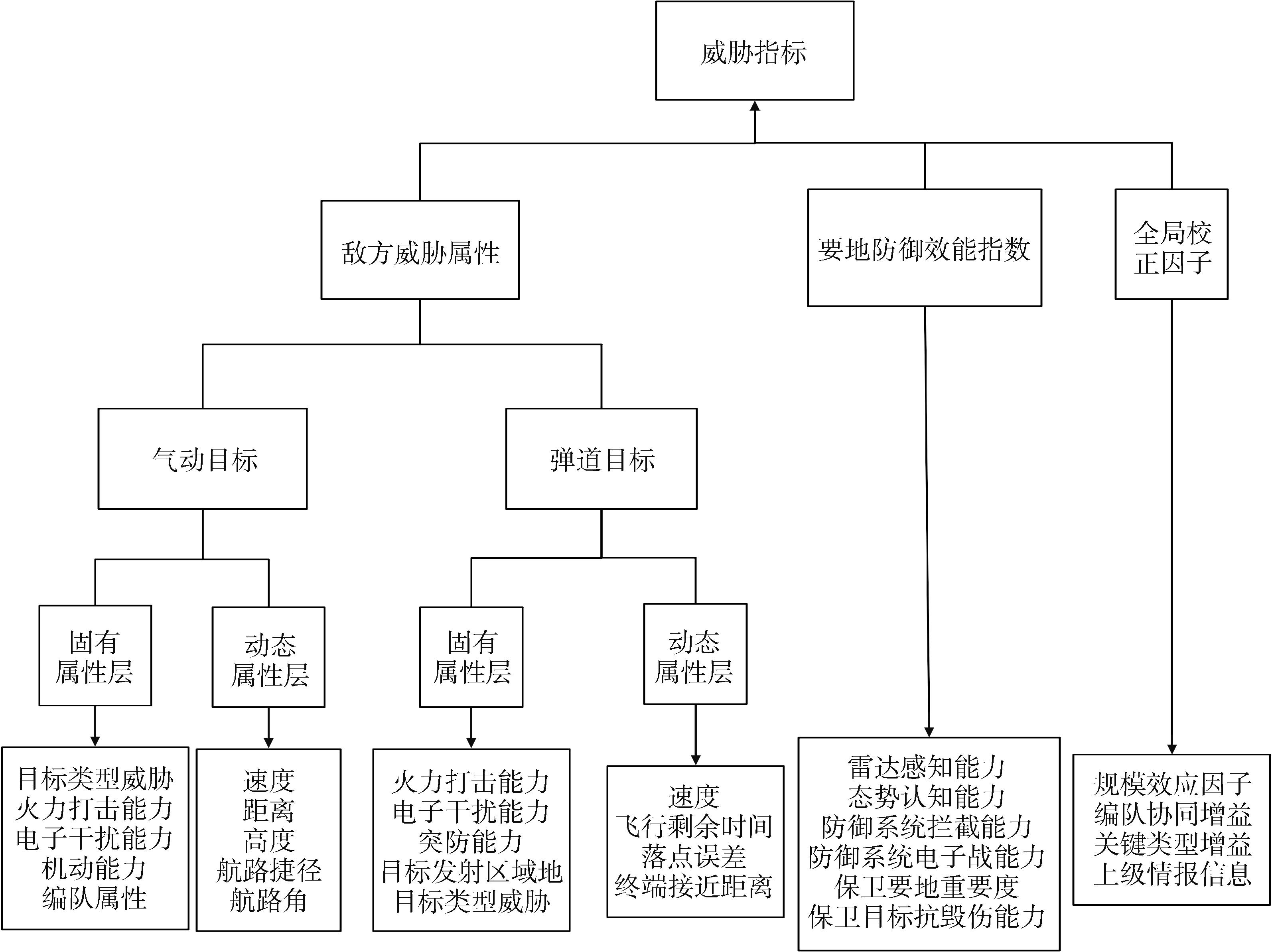
Fig. 1 Threat Indicator System
| 威胁模糊语言标度 | PFN |
|---|---|
| 极高 | (0.9,0.05) |
| 高 | (0.8,0.1) |
| 一般 | (0.5,0.3) |
| 较弱 | (0.3,0.6) |
| 弱 | (0.1,0.85) |
Table 1 Scale of fuzzy evaluation language of threat value and transformation to PFN
| 威胁模糊语言标度 | PFN |
|---|---|
| 极高 | (0.9,0.05) |
| 高 | (0.8,0.1) |
| 一般 | (0.5,0.3) |
| 较弱 | (0.3,0.6) |
| 弱 | (0.1,0.85) |
| 置信度 | L | U | 中间值 |
|---|---|---|---|
| 十分确定 | 0.9 | 1 | 0.95 |
| 比较确定 | 0.6 | 0.9 | 0.75 |
| 一般 | 0.4 | 0.6 | 0.5 |
| 不太确定 | 0.2 | 0.4 | 0.3 |
| 存疑 | 0 | 0.2 | 0.1 |
Table 2 Confidence level corresponding to interval values
| 置信度 | L | U | 中间值 |
|---|---|---|---|
| 十分确定 | 0.9 | 1 | 0.95 |
| 比较确定 | 0.6 | 0.9 | 0.75 |
| 一般 | 0.4 | 0.6 | 0.5 |
| 不太确定 | 0.2 | 0.4 | 0.3 |
| 存疑 | 0 | 0.2 | 0.1 |
| 固有属性 | 威胁模糊评估 |
|---|---|
| 目标类型威胁 | 反辐射导弹、巡航导弹、电子干扰机、空地导弹、轰炸机、战斗机、航空炸弹、预警机、无人机、诱饵弹 |
| 火力打击能力 | 极高、高、一般、较弱、弱(模糊语言标度) |
| 电子干扰能力 | 极高、高、一般、较弱、弱(模糊语言标度) |
| 机动能力 | 极高、高、一般、较弱、弱(模糊语言标度) |
| 编队属性 | 火力平台、指挥平台、干扰平台、侦察平台、诱饵 |
Table 3 Fuzzy evaluation of inherent attributes of aerodynamic targets
| 固有属性 | 威胁模糊评估 |
|---|---|
| 目标类型威胁 | 反辐射导弹、巡航导弹、电子干扰机、空地导弹、轰炸机、战斗机、航空炸弹、预警机、无人机、诱饵弹 |
| 火力打击能力 | 极高、高、一般、较弱、弱(模糊语言标度) |
| 电子干扰能力 | 极高、高、一般、较弱、弱(模糊语言标度) |
| 机动能力 | 极高、高、一般、较弱、弱(模糊语言标度) |
| 编队属性 | 火力平台、指挥平台、干扰平台、侦察平台、诱饵 |
| 目标类型 | 威胁模糊评语 |
|---|---|
| 反辐射导弹 | 极高 |
| 巡航导弹 | 极高 |
| 电子干扰机 | 极高 |
| 空地导弹 | 高 |
| 轰炸机 | 高 |
| 战斗机 | 高 |
| 航空炸弹 | 一般 |
| 无人机 | 一般 |
| 预警机 | 较弱 |
| 诱饵弹 | 弱 |
Table 4 Aerodynamic target type fuzzy language scale mapping table
| 目标类型 | 威胁模糊评语 |
|---|---|
| 反辐射导弹 | 极高 |
| 巡航导弹 | 极高 |
| 电子干扰机 | 极高 |
| 空地导弹 | 高 |
| 轰炸机 | 高 |
| 战斗机 | 高 |
| 航空炸弹 | 一般 |
| 无人机 | 一般 |
| 预警机 | 较弱 |
| 诱饵弹 | 弱 |
| 编队属性 | 威胁模糊标度 |
|---|---|
| 火力平台 | 极高 |
| 指挥平台 | 高 |
| 干扰平台 | 一般 |
| 侦察平台 | 较弱 |
| 诱饵 | 弱 |
Table 5 Aerodynamic target formation attributes fuzzy language scale mapping table
| 编队属性 | 威胁模糊标度 |
|---|---|
| 火力平台 | 极高 |
| 指挥平台 | 高 |
| 干扰平台 | 一般 |
| 侦察平台 | 较弱 |
| 诱饵 | 弱 |
| 固有属性 | 威胁模糊评语 |
|---|---|
| 目标类型 | 洲际弹道导弹、远程弹道导弹、中程弹道导弹、近程弹道导弹 |
| 火力打击能力 | 极高、高、一般、较弱、弱(模糊语言标度) |
| 电子干扰能力 | 极高、高、一般、较弱、弱(模糊语言标度) |
| 突防能力 | 极高、高、一般、较弱、弱(模糊语言标度) |
| 发射区域地 | 发射区域地排名 |
Table 6 Fuzzy evaluation of inherent attributes of ballistic missile targets
| 固有属性 | 威胁模糊评语 |
|---|---|
| 目标类型 | 洲际弹道导弹、远程弹道导弹、中程弹道导弹、近程弹道导弹 |
| 火力打击能力 | 极高、高、一般、较弱、弱(模糊语言标度) |
| 电子干扰能力 | 极高、高、一般、较弱、弱(模糊语言标度) |
| 突防能力 | 极高、高、一般、较弱、弱(模糊语言标度) |
| 发射区域地 | 发射区域地排名 |
| 弹道导弹类型 | 威胁模糊标度 |
|---|---|
| 洲际弹道导弹 | 极高 |
| 远程弹道导弹 | 高 |
| 中程弹道导弹 | 一般 |
| 近程弹道导弹 | 较弱 |
Table 7 Ballistic missile target range fuzzy language scale mapping table
| 弹道导弹类型 | 威胁模糊标度 |
|---|---|
| 洲际弹道导弹 | 极高 |
| 远程弹道导弹 | 高 |
| 中程弹道导弹 | 一般 |
| 近程弹道导弹 | 较弱 |
| 发射区域地排名 | 威胁模糊标度 |
|---|---|
| 1~3 | 极高 |
| 4~25 | 高 |
| 26~50 | 一般 |
| >50 | 较弱 |
Table 8 Ground fuzzy language scale mapping table for ballistic missile target launch area
| 发射区域地排名 | 威胁模糊标度 |
|---|---|
| 1~3 | 极高 |
| 4~25 | 高 |
| 26~50 | 一般 |
| >50 | 较弱 |
| 指标 | 隶属度函数 | 变量定义阐述 |
|---|---|---|
| 速度 | ||
| 距离 | ||
| 高度 | ||
| 航路捷径 | ||
| 航路角 |
Table 9 Membership function of quantitative indicators for aerodynamic targets
| 指标 | 隶属度函数 | 变量定义阐述 |
|---|---|---|
| 速度 | ||
| 距离 | ||
| 高度 | ||
| 航路捷径 | ||
| 航路角 |
| 指标 | 隶属度函数 | 变量定义阐述 |
|---|---|---|
| 速度 | ||
| 终端接近距离 | ||
| 落点误差 | ||
| 飞行剩余时间 |
Table 10 Membership function of quantitative indicators for ballistic missile targets
| 指标 | 隶属度函数 | 变量定义阐述 |
|---|---|---|
| 速度 | ||
| 终端接近距离 | ||
| 落点误差 | ||
| 飞行剩余时间 |
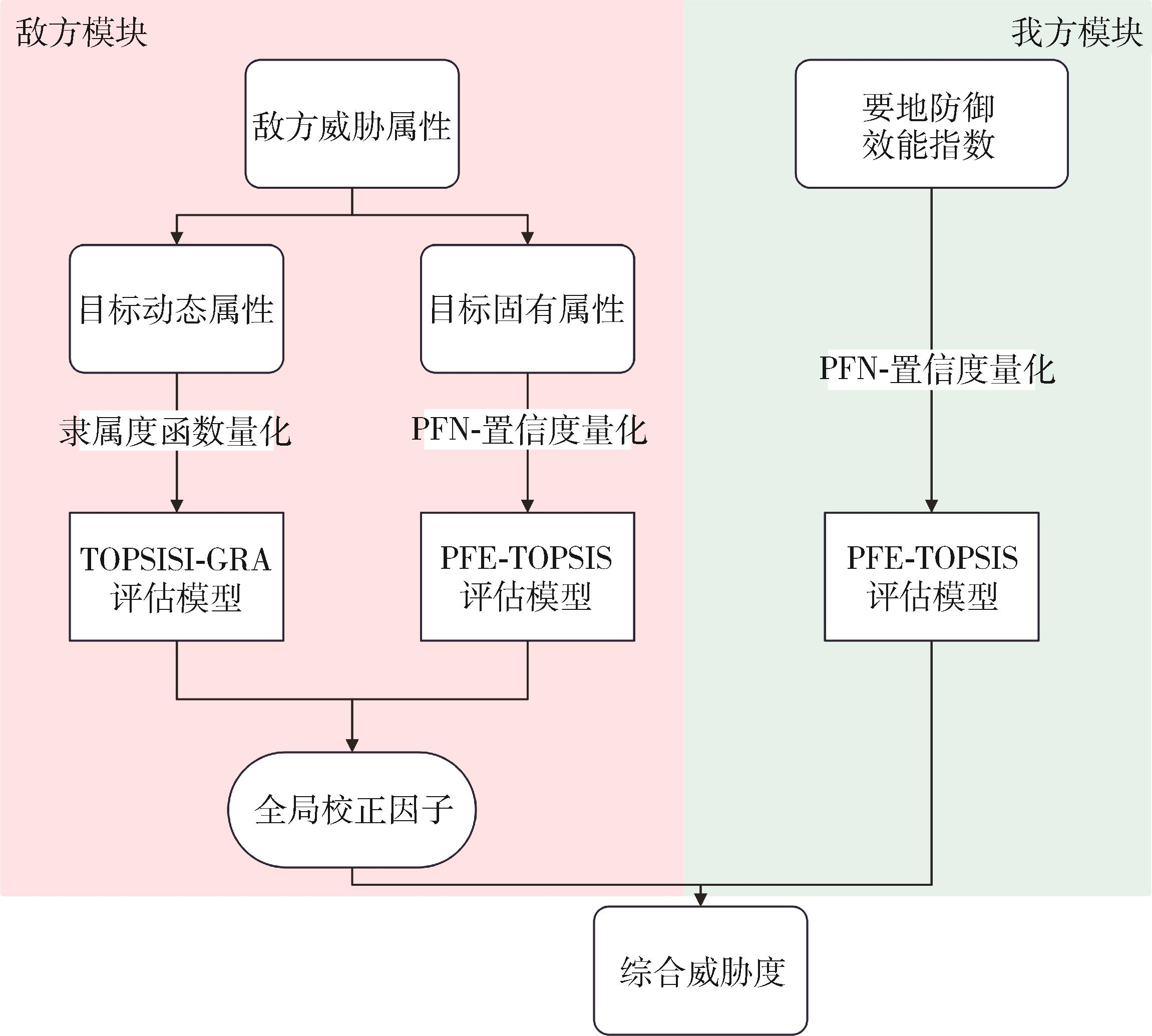
Fig. 2 Overall framework of threat assessment methods
| 目标类型 | 指标类型 | |
|---|---|---|
| 效益性指标 | 成本性指标 | |
| 气动目标 | 速度 航路角 | 距离 高度 航路捷径 |
| 弹道目标 | 速度 | 落点误差 飞行剩余时间 终端接近距离 |
Table 11 Dynamic attribute benefit/cost indicator differentiation table
| 目标类型 | 指标类型 | |
|---|---|---|
| 效益性指标 | 成本性指标 | |
| 气动目标 | 速度 航路角 | 距离 高度 航路捷径 |
| 弹道目标 | 速度 | 落点误差 飞行剩余时间 终端接近距离 |
| 编队功能属性 | Ck | αk |
|---|---|---|
| 火力平台 | 0.6 | 0.5 |
| 指挥平台 | 0.8 | 0.4 |
| 干扰平台 | 0.7 | 0.3 |
| 侦察平台 | 0.5 | 0.2 |
| 诱饵平台 | 0.3 | 0.1 |
Table 12 Target formation attribute complementarity coefficient weight Table
| 编队功能属性 | Ck | αk |
|---|---|---|
| 火力平台 | 0.6 | 0.5 |
| 指挥平台 | 0.8 | 0.4 |
| 干扰平台 | 0.7 | 0.3 |
| 侦察平台 | 0.5 | 0.2 |
| 诱饵平台 | 0.3 | 0.1 |
| 上级情报信息 | IP |
|---|---|
| 优先拦截目标 | 1.8 |
| 次级拦截目标 | 1.4 |
| 一般拦截目标 | 1.2 |
| 未额外指示目标 | 1 |
Table 13 Superior intelligence gain coefficient table
| 上级情报信息 | IP |
|---|---|
| 优先拦截目标 | 1.8 |
| 次级拦截目标 | 1.4 |
| 一般拦截目标 | 1.2 |
| 未额外指示目标 | 1 |
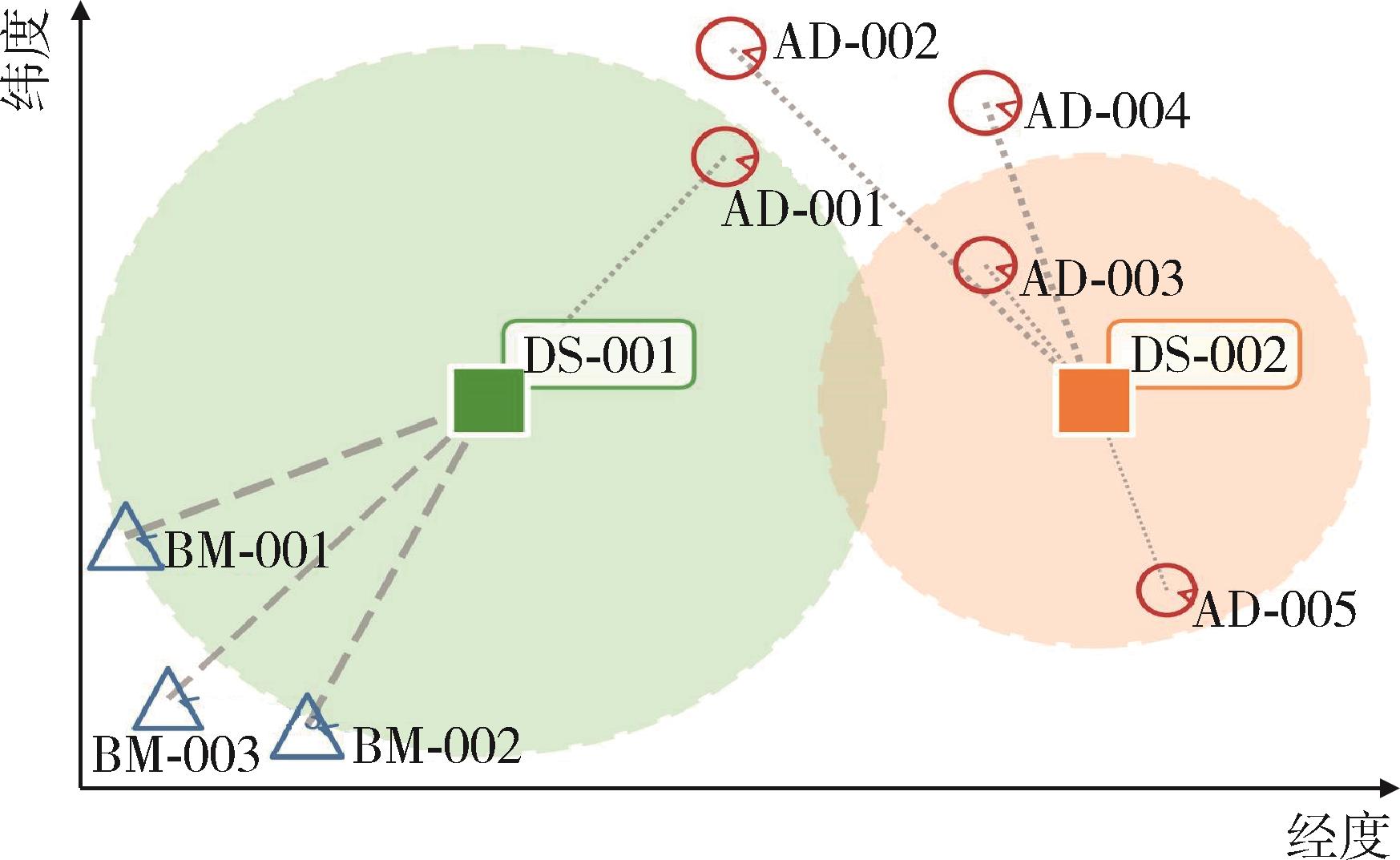
Fig. 3 Simulation situation map
| 目标序号 | 目标类型 | 目标子类型 | 打击保卫要地序号 |
|---|---|---|---|
| BM-001 | 弹道导弹目标 | 洲际弹道导弹 | DS-001 |
| BM-002 | 弹道导弹目标 | 近程弹道导弹 | DS-001 |
| BM-003 | 弹道导弹目标 | 近程弹道导弹 | DS-001 |
| AD-001 | 空气动力学目标 | 巡航导弹 | DS-001 |
| AD-002 | 空气动力学目标 | 空地导弹 | DS-002 |
| AD-003 | 空气动力学目标 | 无人机 | DS-002 |
| AD-004 | 空气动力学目标 | 战斗机 | DS-002 |
| AD-005 | 空气动力学目标 | 无人机 | DS-002 |
Table 14 Small scale scene attack target table
| 目标序号 | 目标类型 | 目标子类型 | 打击保卫要地序号 |
|---|---|---|---|
| BM-001 | 弹道导弹目标 | 洲际弹道导弹 | DS-001 |
| BM-002 | 弹道导弹目标 | 近程弹道导弹 | DS-001 |
| BM-003 | 弹道导弹目标 | 近程弹道导弹 | DS-001 |
| AD-001 | 空气动力学目标 | 巡航导弹 | DS-001 |
| AD-002 | 空气动力学目标 | 空地导弹 | DS-002 |
| AD-003 | 空气动力学目标 | 无人机 | DS-002 |
| AD-004 | 空气动力学目标 | 战斗机 | DS-002 |
| AD-005 | 空气动力学目标 | 无人机 | DS-002 |
| 参数 | 目标序号 | ||
|---|---|---|---|
| BM-001 | BM-002 | BM-003 | |
| 火力打击能力 | 极高(比较确定) | 极高(一般) | 极高(比较确定) |
| 电子干扰能力 | 高(一般) | 高(不太确定) | 一般(不太确定) |
| 机动能力 | 高(十分确定) | 极高(十分确定) | 较弱(一般) |
| 上级情报信息 | 优先拦截目标(一般) | 优先拦截目标(一般) | 一般拦截目标(十分确定) |
| 突防能力 | 高(比较确定) | 高(比较确定) | 一般(一般) |
| 目标发射区域地 | 1~3 | 4~25 | 4~25 |
| 飞行剩余时间/s | 323 | 183 | 104 |
| 速度/(km/s) | 6.9 | 1.97 | 2.06 |
| 落点误差/m | 42 | 219 | 49 |
| 终端接近距离/km | 132 | 130 | 47 |
Table 15 Raw data of ballistic missile type targets
| 参数 | 目标序号 | ||
|---|---|---|---|
| BM-001 | BM-002 | BM-003 | |
| 火力打击能力 | 极高(比较确定) | 极高(一般) | 极高(比较确定) |
| 电子干扰能力 | 高(一般) | 高(不太确定) | 一般(不太确定) |
| 机动能力 | 高(十分确定) | 极高(十分确定) | 较弱(一般) |
| 上级情报信息 | 优先拦截目标(一般) | 优先拦截目标(一般) | 一般拦截目标(十分确定) |
| 突防能力 | 高(比较确定) | 高(比较确定) | 一般(一般) |
| 目标发射区域地 | 1~3 | 4~25 | 4~25 |
| 飞行剩余时间/s | 323 | 183 | 104 |
| 速度/(km/s) | 6.9 | 1.97 | 2.06 |
| 落点误差/m | 42 | 219 | 49 |
| 终端接近距离/km | 132 | 130 | 47 |
| 参数 | 目标序号 | ||||
|---|---|---|---|---|---|
| AD-001 | AD-002 | AD-003 | AD-004 | AD-005 | |
| 火力打击能力 | 一般(十分确定) | 高(十分确定) | 一般(十分确定) | 极高(十分确定) | 一般(十分确定) |
| 电子干扰能力 | 弱(十分确定) | 一般(比较确定) | 极高(一般) | 较弱(一般) | 高(不太确定) |
| 机动能力 | 较弱(十分确定) | 高(存疑) | 高(一般) | 极高(十分确定) | 弱(存疑) |
| 编队属性 | 火力平台 | 火力平台 | 干扰平台 | 火力平台 | 干扰平台 |
| 上级情报信息 | 优先拦截目标 (比较确定) | 次级拦截目标 (比较确定) | 次级拦截目标 (比较确定) | 优先拦截目标 一般) | 未额外指示目标 (一般) |
| 速度(Ma) | 1.7 | 0.8 | 0.5 | 2 | 0.3 |
| 航路捷径/km | 139 | 140 | 72 | 182 | 212 |
| 距离/km | 408 | 184 | 190 | 201 | 302 |
| 高度/km | 11.4 | 12.3 | 9.8 | 11.7 | 7.1 |
| 进入角/rad | 12.3 | 55.8 | 117 | 149.1 | 42.9 |
Table 16 Aerodynamic type target raw data
| 参数 | 目标序号 | ||||
|---|---|---|---|---|---|
| AD-001 | AD-002 | AD-003 | AD-004 | AD-005 | |
| 火力打击能力 | 一般(十分确定) | 高(十分确定) | 一般(十分确定) | 极高(十分确定) | 一般(十分确定) |
| 电子干扰能力 | 弱(十分确定) | 一般(比较确定) | 极高(一般) | 较弱(一般) | 高(不太确定) |
| 机动能力 | 较弱(十分确定) | 高(存疑) | 高(一般) | 极高(十分确定) | 弱(存疑) |
| 编队属性 | 火力平台 | 火力平台 | 干扰平台 | 火力平台 | 干扰平台 |
| 上级情报信息 | 优先拦截目标 (比较确定) | 次级拦截目标 (比较确定) | 次级拦截目标 (比较确定) | 优先拦截目标 一般) | 未额外指示目标 (一般) |
| 速度(Ma) | 1.7 | 0.8 | 0.5 | 2 | 0.3 |
| 航路捷径/km | 139 | 140 | 72 | 182 | 212 |
| 距离/km | 408 | 184 | 190 | 201 | 302 |
| 高度/km | 11.4 | 12.3 | 9.8 | 11.7 | 7.1 |
| 进入角/rad | 12.3 | 55.8 | 117 | 149.1 | 42.9 |
| 要地序号 | 雷达感知能力 | 态势感知能力 | 电子战能力 | 拦截能力 | 要地重要度 | 要地抗毁伤能力 |
|---|---|---|---|---|---|---|
| 1 | 高(十分确定) | 极高(一般) | 极高(一般) | 高(确定) | 高(不太确定) | 高(不太确定) |
| 2 | 高(不太确定) | 较弱(存疑) | 高(不太确定) | 一般(一般) | 一般(十分确定) | 高(一般) |
Table 17 Parameters related to key locations and defense systems
| 要地序号 | 雷达感知能力 | 态势感知能力 | 电子战能力 | 拦截能力 | 要地重要度 | 要地抗毁伤能力 |
|---|---|---|---|---|---|---|
| 1 | 高(十分确定) | 极高(一般) | 极高(一般) | 高(确定) | 高(不太确定) | 高(不太确定) |
| 2 | 高(不太确定) | 较弱(存疑) | 高(不太确定) | 一般(一般) | 一般(十分确定) | 高(一般) |
| 参数 | 目标序号 | ||||
|---|---|---|---|---|---|
| AD-001 | AD-002 | AD-003 | AD-004 | AD-005 | |
| 火力打击能力 | (0.622 7,0.044 2) | (0.689 5,0.090 8) | (0.753 0,0.269 6) | (1,0) | (0.975 3,0.132 6) |
| 电子干扰能力 | (0.614 7,0.268 2) | (0.753,0.269 6) | (0.734 5,0.268 5) | (0.414 6,0.303 0) | (0.580 8,0.181 9) |
| 机动能力 | (0.634 0,0.267 9) | (0.790 2,0.069 4) | (0.828 5,0.140 9) | (0.499 6,0.053 5) | (0.883 3,0.174 4) |
| 编队属性 | (0.975 3,0.132 6) | (0.449 4,0.550 6) | (0.449 4,0.550 6) | (0.508 2,0.037 9) | (0.414 6,0.303 0) |
Table 18 Intrinsic properties of aerodynamic type PFN
| 参数 | 目标序号 | ||||
|---|---|---|---|---|---|
| AD-001 | AD-002 | AD-003 | AD-004 | AD-005 | |
| 火力打击能力 | (0.622 7,0.044 2) | (0.689 5,0.090 8) | (0.753 0,0.269 6) | (1,0) | (0.975 3,0.132 6) |
| 电子干扰能力 | (0.614 7,0.268 2) | (0.753,0.269 6) | (0.734 5,0.268 5) | (0.414 6,0.303 0) | (0.580 8,0.181 9) |
| 机动能力 | (0.634 0,0.267 9) | (0.790 2,0.069 4) | (0.828 5,0.140 9) | (0.499 6,0.053 5) | (0.883 3,0.174 4) |
| 编队属性 | (0.975 3,0.132 6) | (0.449 4,0.550 6) | (0.449 4,0.550 6) | (0.508 2,0.037 9) | (0.414 6,0.303 0) |
| 参数 | 目标序号 | ||
|---|---|---|---|
| BM-001 | BM-002 | BM-003 | |
| 火力打击能力 | (0.858 9,0.195 5) | (0.647 7,0.264 0) | (0.858 9,0.195 5) |
| 电子干扰能力 | (0.686 1,0.398 9) | (0.482 5,0.482 5) | (0.495 3,0.016 0) |
| 机动能力 | (0.956 7,0.054 0) | (0.432 2,0.679 0) | (0.958 6,0.184 4) |
| 上级情报信息 | (0.686 1,0.398 9) | (0.991 0,0.009 1) | (0.574 1,0.297 3) |
| 突防能力 | (0.848 1,0.062 2) | (0.848 1,0.062 2) | (0.444 8,0.444 8) |
| 目标发射区域地 | (1,0) | (0.858 9,0.195 5) | (0.667 3,0.308 0) |
Table 19 Inherent properties of ballistic missile types PFN
| 参数 | 目标序号 | ||
|---|---|---|---|
| BM-001 | BM-002 | BM-003 | |
| 火力打击能力 | (0.858 9,0.195 5) | (0.647 7,0.264 0) | (0.858 9,0.195 5) |
| 电子干扰能力 | (0.686 1,0.398 9) | (0.482 5,0.482 5) | (0.495 3,0.016 0) |
| 机动能力 | (0.956 7,0.054 0) | (0.432 2,0.679 0) | (0.958 6,0.184 4) |
| 上级情报信息 | (0.686 1,0.398 9) | (0.991 0,0.009 1) | (0.574 1,0.297 3) |
| 突防能力 | (0.848 1,0.062 2) | (0.848 1,0.062 2) | (0.444 8,0.444 8) |
| 目标发射区域地 | (1,0) | (0.858 9,0.195 5) | (0.667 3,0.308 0) |
| 序号 | 正理想相似度 | 负理想相似度 | 固有威胁 |
|---|---|---|---|
| BM-001 | 0.898 9 | 0.758 9 | 0.849 5 |
| BM-002 | 0.827 8 | 0.830 0 | 0.825 7 |
| BM-003 | 0.785 9 | 0.872 0 | 0.796 2 |
Table 20 Threat assessment results of inherent attributes of ballistic missile targets
| 序号 | 正理想相似度 | 负理想相似度 | 固有威胁 |
|---|---|---|---|
| BM-001 | 0.898 9 | 0.758 9 | 0.849 5 |
| BM-002 | 0.827 8 | 0.830 0 | 0.825 7 |
| BM-003 | 0.785 9 | 0.872 0 | 0.796 2 |
| 序号 | 正理想相似度 | 负理想相似度 | 固有威胁 |
|---|---|---|---|
| AD-004 | 0.851 162 675 | 0.795 891 825 | 0.516 778 695 |
| AD-001 | 0.840 557 130 | 0.806 497 370 | 0.510 339 597 |
| AD-002 | 0.834 468 945 | 0.812 585 555 | 0.506 643 189 |
| AD-005 | 0.783 963 385 | 0.863 091 115 | 0.475 979 019 |
| AD-003 | 0.762 430 115 | 0.884 624 385 | 0.462 905 213 |
Table 21 Assessment results of inherent attribute threat of aerodynamic targets
| 序号 | 正理想相似度 | 负理想相似度 | 固有威胁 |
|---|---|---|---|
| AD-004 | 0.851 162 675 | 0.795 891 825 | 0.516 778 695 |
| AD-001 | 0.840 557 130 | 0.806 497 370 | 0.510 339 597 |
| AD-002 | 0.834 468 945 | 0.812 585 555 | 0.506 643 189 |
| AD-005 | 0.783 963 385 | 0.863 091 115 | 0.475 979 019 |
| AD-003 | 0.762 430 115 | 0.884 624 385 | 0.462 905 213 |
| 序号 | 全局相似度 | 局部相似度 | 动态威胁 |
|---|---|---|---|
| BM-001 | 0.749 5 | 0.277 7 | 0.619 5 |
| BM-002 | 0.715 7 | 0.213 9 | 0.592 9 |
| BM-003 | 0.616 2 | 0.217 5 | 0.537 6 |
Table 22 Dynamic attributes threat assessment results of ballistic missile targets
| 序号 | 全局相似度 | 局部相似度 | 动态威胁 |
|---|---|---|---|
| BM-001 | 0.749 5 | 0.277 7 | 0.619 5 |
| BM-002 | 0.715 7 | 0.213 9 | 0.592 9 |
| BM-003 | 0.616 2 | 0.217 5 | 0.537 6 |
| 序号 | 全局相似度 | 局部相似度 | 动态威胁 |
|---|---|---|---|
| AD-004 | 0.729 7 | 0.705 6 | 0.708 2 |
| AD-001 | 0.524 4 | 0.464 3 | 0.462 9 |
| AD-002 | 0.498 8 | 0.378 6 | 0.421 3 |
| AD-005 | 0.388 0 | 0.155 2 | 0.291 9 |
| AD-003 | 0.335 0 | 0.172 3 | 0.220 7 |
Table 23 Dynamic attribute threat assessment results of aerodynamic targets
| 序号 | 全局相似度 | 局部相似度 | 动态威胁 |
|---|---|---|---|
| AD-004 | 0.729 7 | 0.705 6 | 0.708 2 |
| AD-001 | 0.524 4 | 0.464 3 | 0.462 9 |
| AD-002 | 0.498 8 | 0.378 6 | 0.421 3 |
| AD-005 | 0.388 0 | 0.155 2 | 0.291 9 |
| AD-003 | 0.335 0 | 0.172 3 | 0.220 7 |
| 序号 | SF | SG | CTG | PI |
|---|---|---|---|---|
| AD-001 | 1 | 1.805 6 | 1 | 1.8 |
| AD-002 | 1 | 1.805 6 | 1 | 1.4 |
| AD-003 | 1.138 6 | 1.079 2 | 1 | 1.4 |
| AD-004 | 1.138 6 | 1.805 6 | 1 | 1.8 |
| AD-005 | 1.138 6 | 1.079 2 | 1 | 1 |
| BM-001 | 1 | 1.5 | 1.8 | |
| BM-002 | 1 | 1.5 | 1.8 | |
| BM-003 | 1 | 1.5 | 1.2 |
Table 24 Calculation results of global correction factors
| 序号 | SF | SG | CTG | PI |
|---|---|---|---|---|
| AD-001 | 1 | 1.805 6 | 1 | 1.8 |
| AD-002 | 1 | 1.805 6 | 1 | 1.4 |
| AD-003 | 1.138 6 | 1.079 2 | 1 | 1.4 |
| AD-004 | 1.138 6 | 1.805 6 | 1 | 1.8 |
| AD-005 | 1.138 6 | 1.079 2 | 1 | 1 |
| BM-001 | 1 | 1.5 | 1.8 | |
| BM-002 | 1 | 1.5 | 1.8 | |
| BM-003 | 1 | 1.5 | 1.2 |
| 序号 | 固有属性 | 动态属性 | 全局矫正因子 | 综合威胁评估 |
|---|---|---|---|---|
| BM-001 | 0.849 50 | 0.619 5 | 2.700 00 | 0.999 90 |
| BM-002 | 0.825 70 | 0.592 9 | 2.700 00 | 0.946 44 |
| AD-004 | 0.516 78 | 0.708 2 | 3.250 08 | 0.874 93 |
| BM-003 | 0.796 20 | 0.537 6 | 1.800 00 | 0.648 51 |
| AD-001 | 0.510 34 | 0.462 9 | 2.527 84 | 0.554 86 |
| AD-005 | 0.475 98 | 0.291 9 | 3.700 55 | 0.510 00 |
| AD-002 | 0.506 64 | 0.421 3 | 1.720 27 | 0.430 58 |
| AD-003 | 0.462 91 | 0.220 7 | 1.228 72 | 0.300 00 |
Table 25 Comprehensive threat assessment results of the targets
| 序号 | 固有属性 | 动态属性 | 全局矫正因子 | 综合威胁评估 |
|---|---|---|---|---|
| BM-001 | 0.849 50 | 0.619 5 | 2.700 00 | 0.999 90 |
| BM-002 | 0.825 70 | 0.592 9 | 2.700 00 | 0.946 44 |
| AD-004 | 0.516 78 | 0.708 2 | 3.250 08 | 0.874 93 |
| BM-003 | 0.796 20 | 0.537 6 | 1.800 00 | 0.648 51 |
| AD-001 | 0.510 34 | 0.462 9 | 2.527 84 | 0.554 86 |
| AD-005 | 0.475 98 | 0.291 9 | 3.700 55 | 0.510 00 |
| AD-002 | 0.506 64 | 0.421 3 | 1.720 27 | 0.430 58 |
| AD-003 | 0.462 91 | 0.220 7 | 1.228 72 | 0.300 00 |
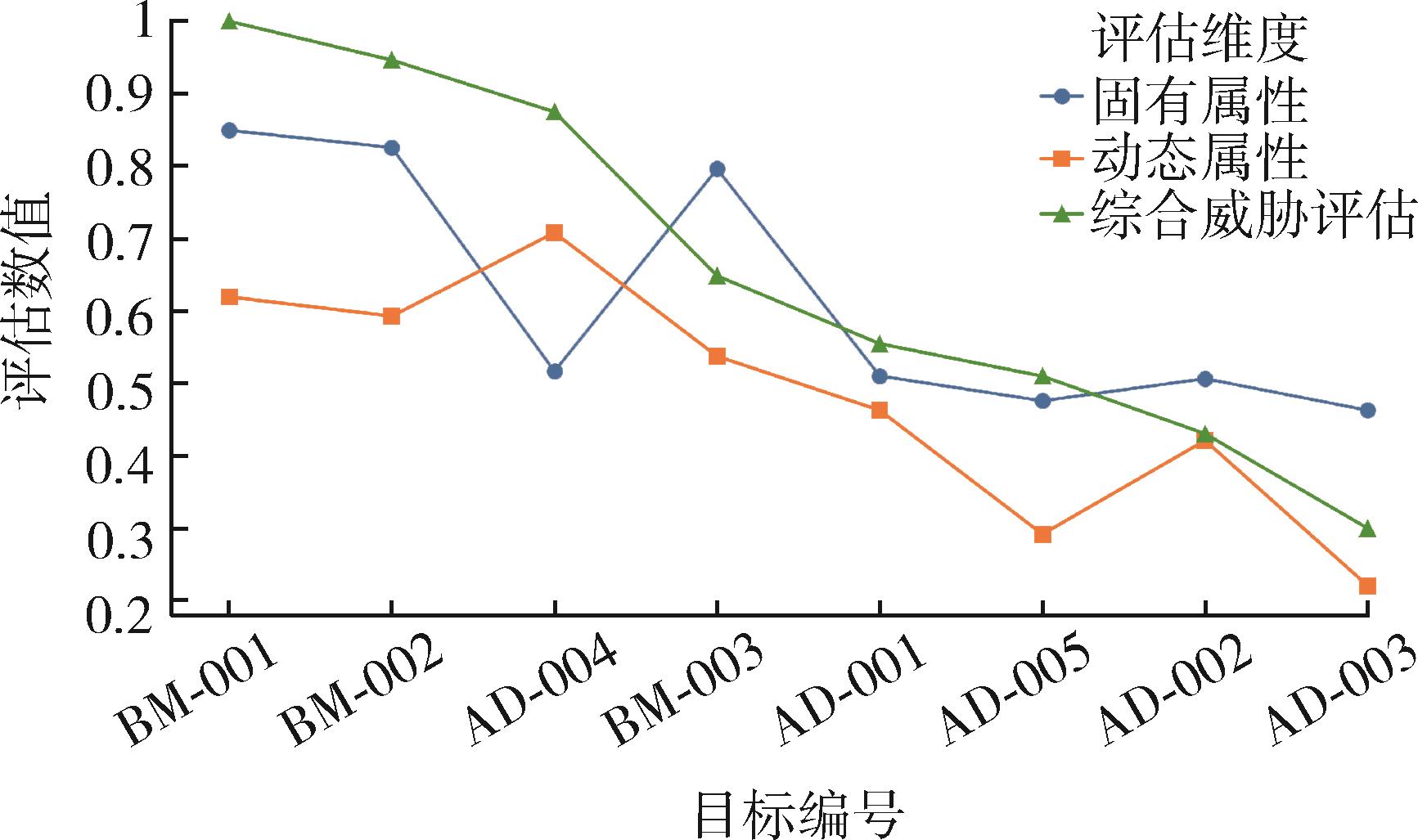
Fig. 4 Target comprehensive threat assessment results
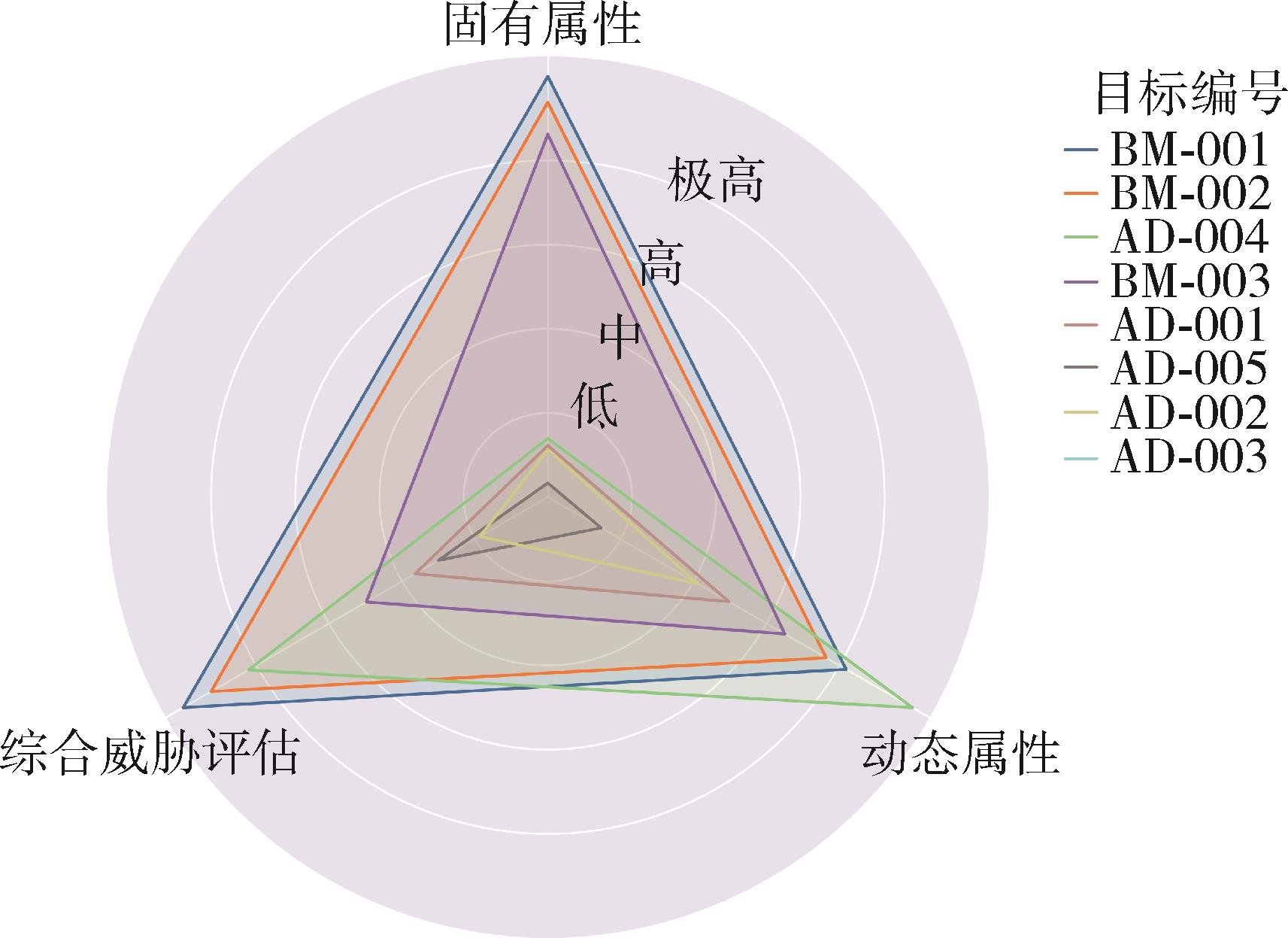
Fig. 5 Radar image of target comprehensive threat assessment results
| 序号 | 雷达感知能力 | 态势感知能力 | 电子战能力 | 拦截能力 | 要地重要度 | 要地抗毁伤能力 |
|---|---|---|---|---|---|---|
| DS-001 | (0.883 3,0.174 4) | (0.975 3,0.132 6) | (0.934 9,0.173 0) | (0.876 2,0.103 6) | (0.858 9,0.195 5) | (0.858 9,0.195 5) |
| DS-002 | (0.495 3,0.016 0) | (0.444 8,0.444 8) | (0.790 2,0.069 4) | (0.597 7,0.372 2) | (0.647 7,0.264 0) | (0.790 2,0.069 4) |
Table 26 PFN values for key locations and defense systems
| 序号 | 雷达感知能力 | 态势感知能力 | 电子战能力 | 拦截能力 | 要地重要度 | 要地抗毁伤能力 |
|---|---|---|---|---|---|---|
| DS-001 | (0.883 3,0.174 4) | (0.975 3,0.132 6) | (0.934 9,0.173 0) | (0.876 2,0.103 6) | (0.858 9,0.195 5) | (0.858 9,0.195 5) |
| DS-002 | (0.495 3,0.016 0) | (0.444 8,0.444 8) | (0.790 2,0.069 4) | (0.597 7,0.372 2) | (0.647 7,0.264 0) | (0.790 2,0.069 4) |
| 序号 | 正理想相似度 | 负理想相似度 | 拦截能力 |
|---|---|---|---|
| DS-001 | 0.921 3 | 0.877 3 | 0.913 6 |
| DS-002 | 0.776 9 | 0.591 2 | 0.732 7 |
Table 27 Interception capability evaluation results
| 序号 | 正理想相似度 | 负理想相似度 | 拦截能力 |
|---|---|---|---|
| DS-001 | 0.921 3 | 0.877 3 | 0.913 6 |
| DS-002 | 0.776 9 | 0.591 2 | 0.732 7 |
| 序号 | 综合威胁评估 | 要地防御效能指数 | 全局威胁评估 |
|---|---|---|---|
| BM-001 | 0.999 90 | 0.913 6 | 0.911 10 |
| BM-002 | 0.946 44 | 0.913 6 | 0.858 90 |
| AD-004 | 0.874 93 | 0.732 7 | 1 |
| BM-003 | 0.648 51 | 0.913 6 | 0.567 98 |
| AD-001 | 0.554 86 | 0.913 6 | 0.476 54 |
| AD-005 | 0.510 00 | 0.732 7 | 0.555 68 |
| AD-002 | 0.430 58 | 0.732 7 | 0.458 99 |
| AD-003 | 0.300 00 | 0.732 7 | 0.300 00 |
Table 28 Comprehensive threat assessment results
| 序号 | 综合威胁评估 | 要地防御效能指数 | 全局威胁评估 |
|---|---|---|---|
| BM-001 | 0.999 90 | 0.913 6 | 0.911 10 |
| BM-002 | 0.946 44 | 0.913 6 | 0.858 90 |
| AD-004 | 0.874 93 | 0.732 7 | 1 |
| BM-003 | 0.648 51 | 0.913 6 | 0.567 98 |
| AD-001 | 0.554 86 | 0.913 6 | 0.476 54 |
| AD-005 | 0.510 00 | 0.732 7 | 0.555 68 |
| AD-002 | 0.430 58 | 0.732 7 | 0.458 99 |
| AD-003 | 0.300 00 | 0.732 7 | 0.300 00 |
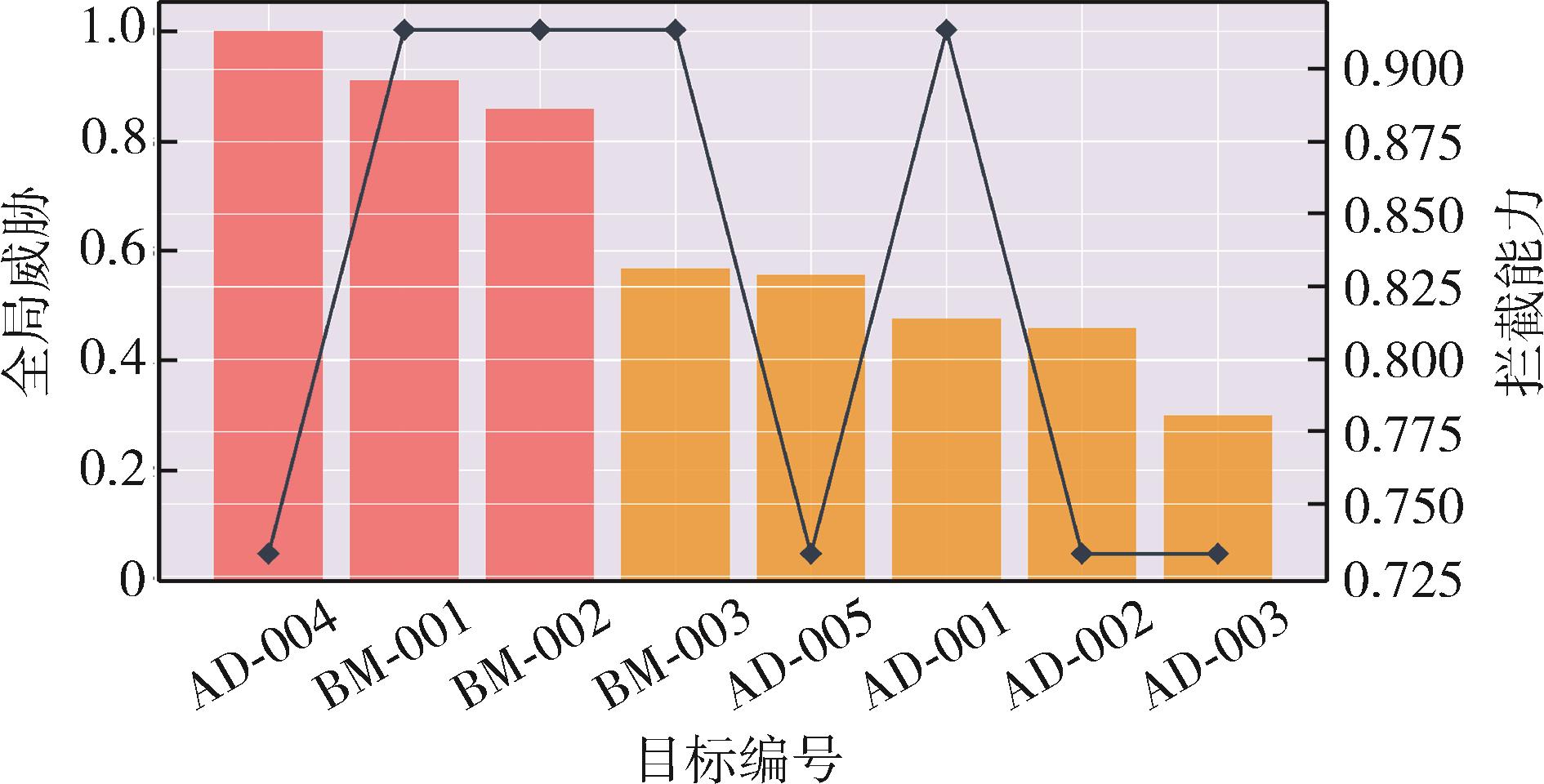
Fig. 6 Dual axis graph of global threat assessment results of targets
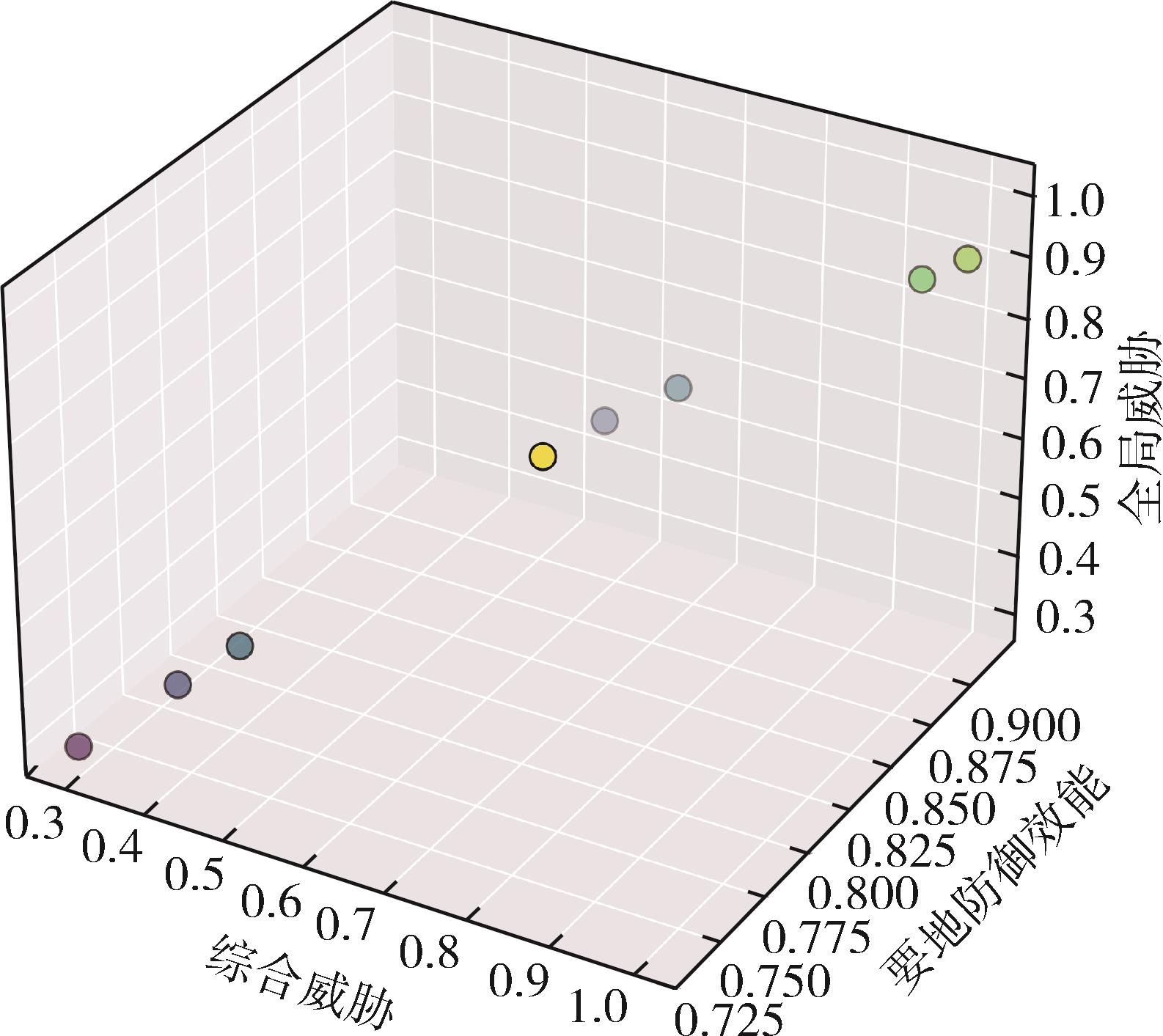
Fig. 7 Three digit feature space map of the global threat assessment results of the target
| 方案1排序 | 目标类型 | 方案2排序 | 目标类型 |
|---|---|---|---|
| BM-005 | 中程弹道导弹 | AD-013 | 巡航导弹 |
| BM-004 | 中程弹道导弹 | AD-014 | 巡航导弹 |
| BM-013 | 近程弹道导弹 | BM-013 | 近程弹道导弹 |
| BM-015 | 近程弹道导弹 | BM-015 | 近程弹道导弹 |
| AD-013 | 巡航导弹 | AD-001 | 无人机 |
| ⋮ | ⋮ | ⋮ | ⋮ |
Table 29 Partial results of the first wave of threat ranking
| 方案1排序 | 目标类型 | 方案2排序 | 目标类型 |
|---|---|---|---|
| BM-005 | 中程弹道导弹 | AD-013 | 巡航导弹 |
| BM-004 | 中程弹道导弹 | AD-014 | 巡航导弹 |
| BM-013 | 近程弹道导弹 | BM-013 | 近程弹道导弹 |
| BM-015 | 近程弹道导弹 | BM-015 | 近程弹道导弹 |
| AD-013 | 巡航导弹 | AD-001 | 无人机 |
| ⋮ | ⋮ | ⋮ | ⋮ |
| 方案1排序 | 目标类型 | 方案2排序 | 目标类型 |
|---|---|---|---|
| AD-105 | 战斗机 | AD-111 | 电子干扰机 |
| AD-106 | 战斗机 | AD-105 | 战斗机 |
| AD-157 | 巡航导弹 | AD-106 | 战斗机 |
| AD-158 | 巡航导弹 | AD-159 | 巡航导弹 |
| AD-159 | 巡航导弹 | AD-158 | 巡航导弹 |
| ⋮ | ⋮ | ⋮ | ⋮ |
Table 30 Partial results of the second wave threat ranking
| 方案1排序 | 目标类型 | 方案2排序 | 目标类型 |
|---|---|---|---|
| AD-105 | 战斗机 | AD-111 | 电子干扰机 |
| AD-106 | 战斗机 | AD-105 | 战斗机 |
| AD-157 | 巡航导弹 | AD-106 | 战斗机 |
| AD-158 | 巡航导弹 | AD-159 | 巡航导弹 |
| AD-159 | 巡航导弹 | AD-158 | 巡航导弹 |
| ⋮ | ⋮ | ⋮ | ⋮ |
| 方案1排序 | 目标类型 | 方案2排序 | 目标类型 |
|---|---|---|---|
| AD-217 | 轰炸机 | AD-291 | 空地炸弹 |
| AD-291 | 空地炸弹 | AD-292 | 空地炸弹 |
| AD-292 | 空地炸弹 | AD-201 | 战斗机 |
| AD-201 | 战斗机 | AD-202 | 战斗机 |
| AD-202 | 战斗机 | AD-297 | 空地炸弹 |
| ⋮ | ⋮ | ⋮ | ⋮ |
Table 31 Partial results of the third wave threat ranking
| 方案1排序 | 目标类型 | 方案2排序 | 目标类型 |
|---|---|---|---|
| AD-217 | 轰炸机 | AD-291 | 空地炸弹 |
| AD-291 | 空地炸弹 | AD-292 | 空地炸弹 |
| AD-292 | 空地炸弹 | AD-201 | 战斗机 |
| AD-201 | 战斗机 | AD-202 | 战斗机 |
| AD-202 | 战斗机 | AD-297 | 空地炸弹 |
| ⋮ | ⋮ | ⋮ | ⋮ |
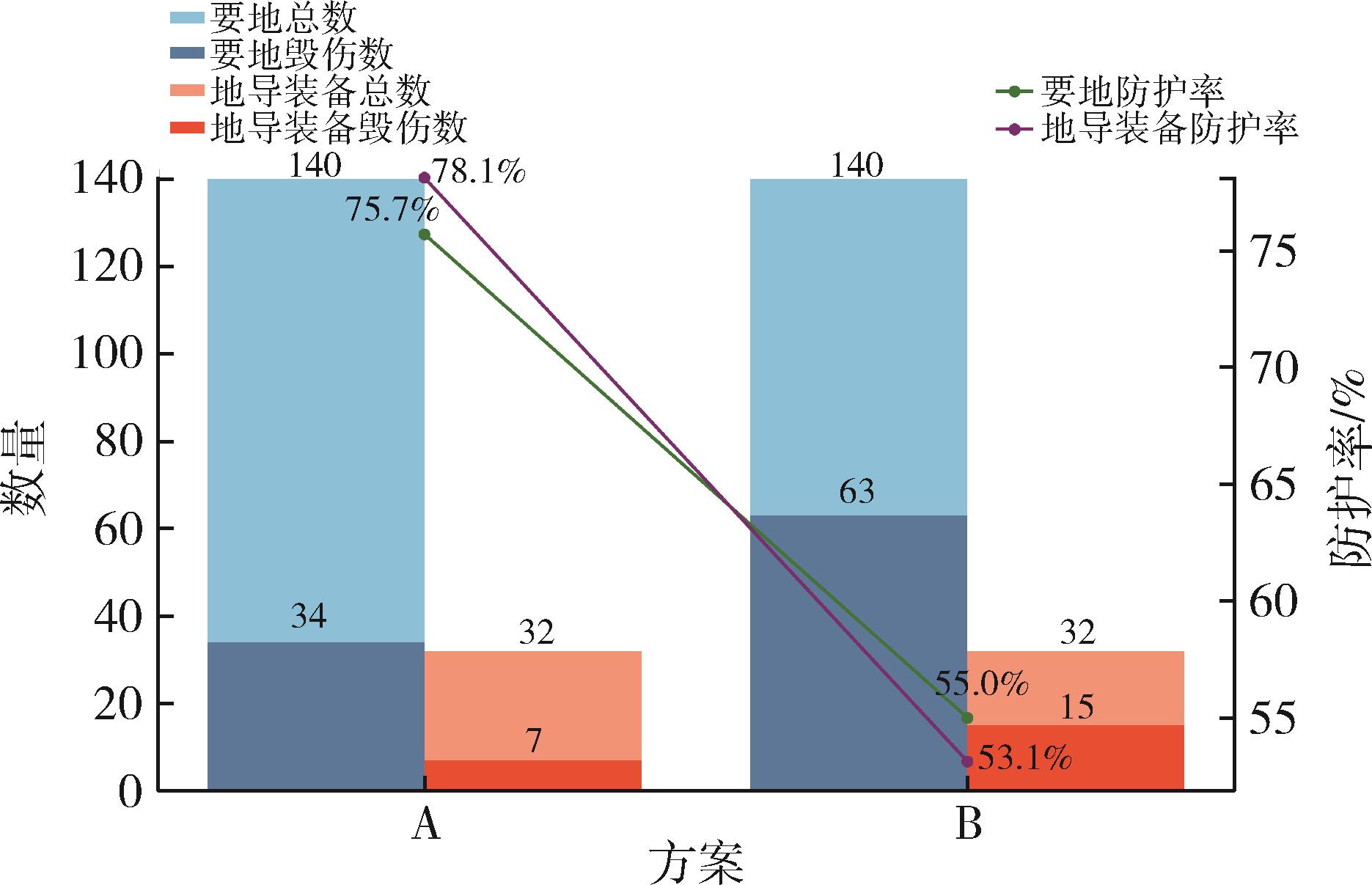
Fig. 8 Comparison chart of protection rate in large-scale cluster simulation
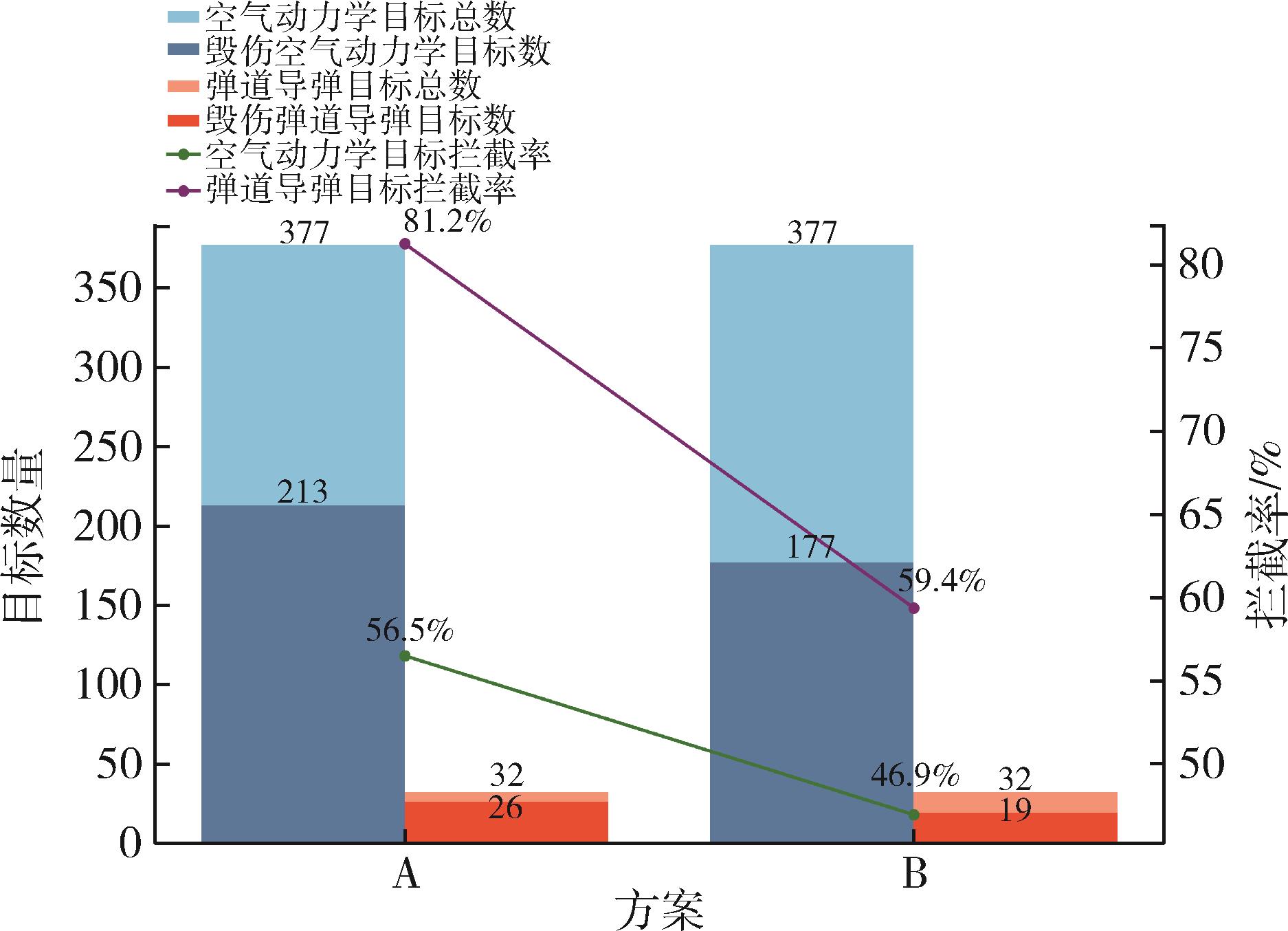
Fig. 9 Comparison chart of interception rate in large-scale cluster simulation
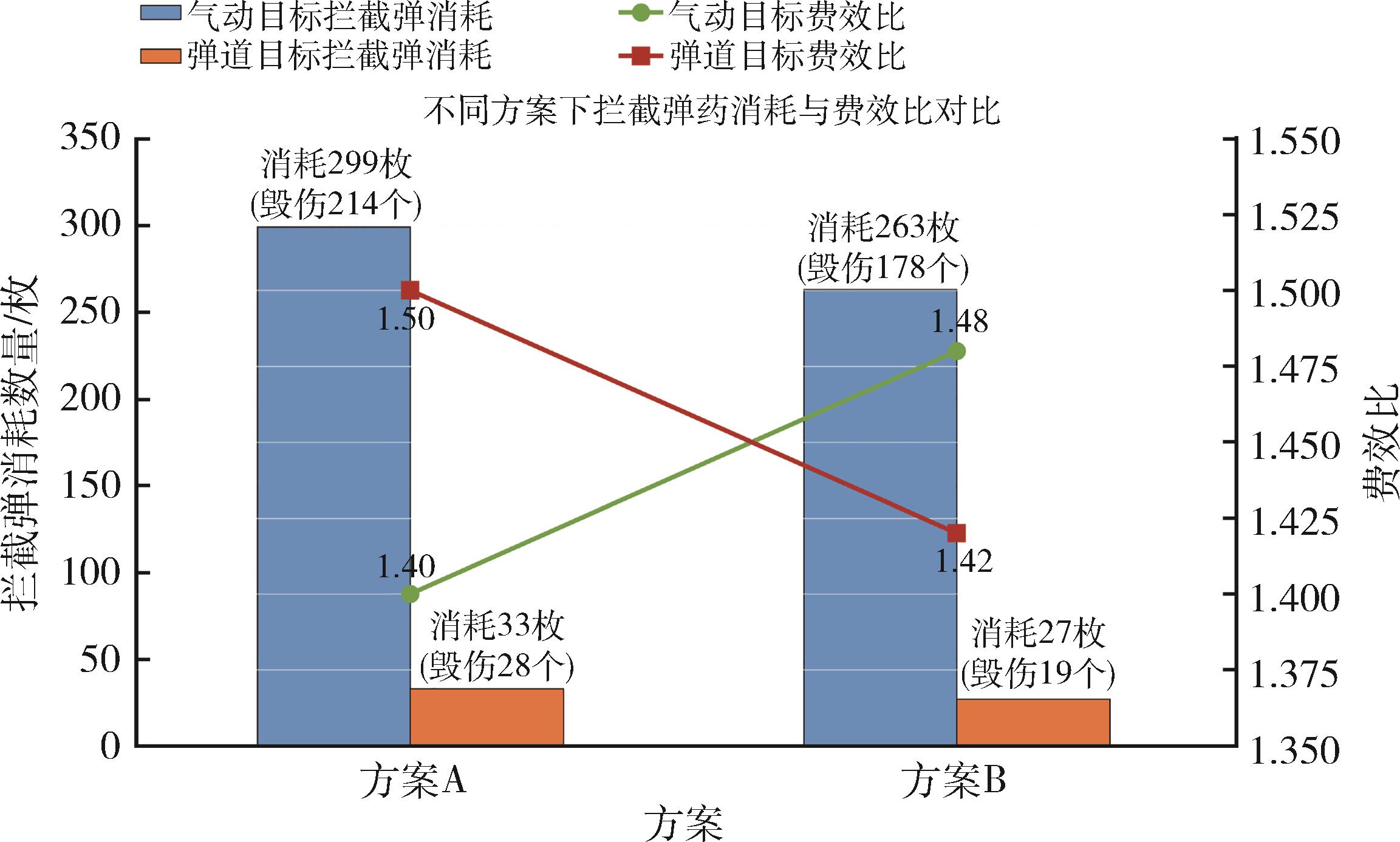
Fig. 10 Comparison of cost-effectiveness of large-scale cluster simulation
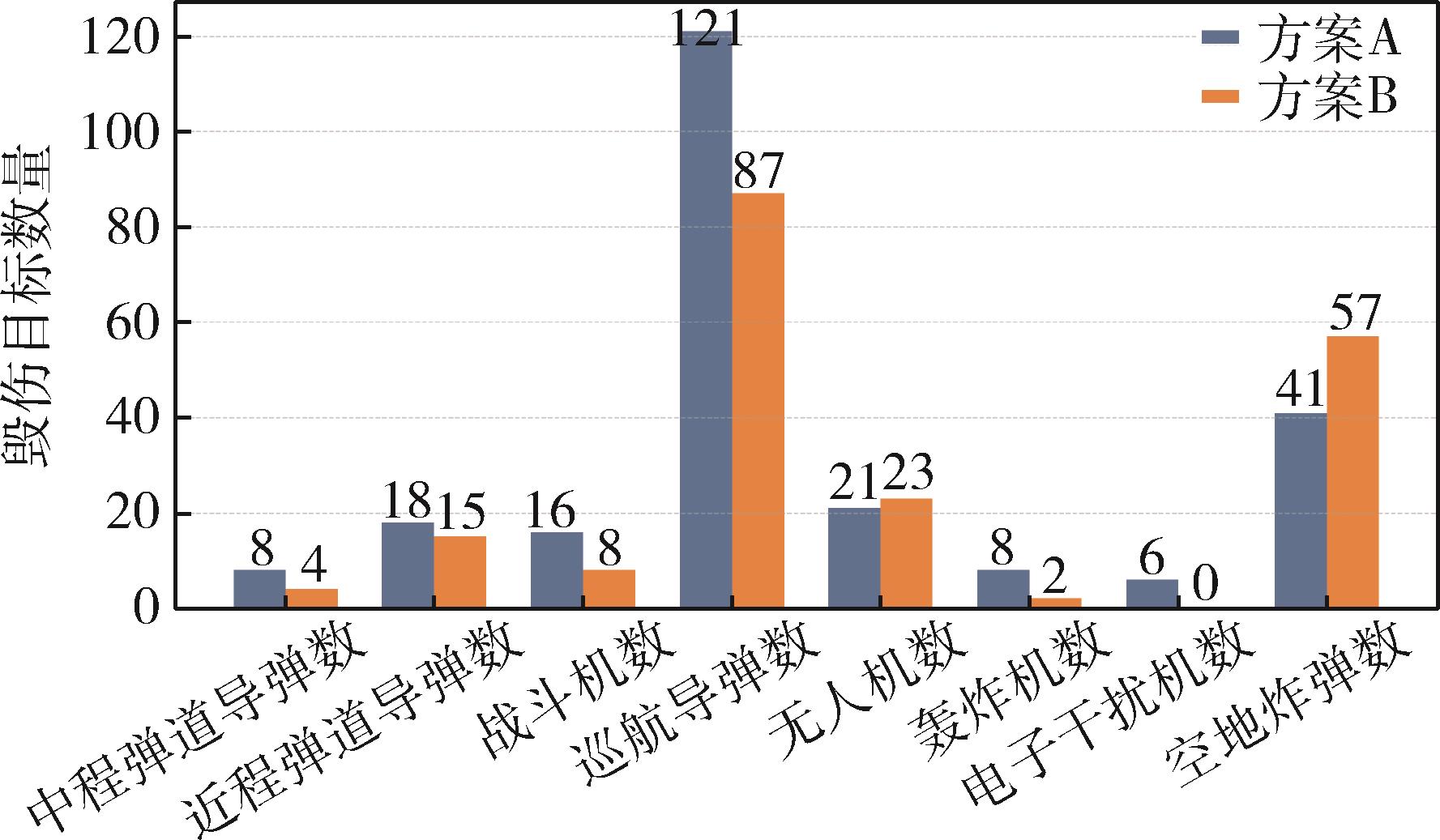
Fig. 11 Comparison diagram of large-scale cluster simulation damage situation
| [1] | 贾正望, 狄海进, 卢薛方. 联合一体化防空反导体系构建问题浅谈[C]∥第六届中国指挥控制大会论文集(上册). 北京: 中国指挥与控制学会, 2018: 162-169. |
| JIA Zhengwang, DI Haijin, LU Xuefang. Discussion About Construction Problems of Joint Integrated Air and Missile Defense System[C]∥Procecding of the 6th Conference on Command Control. Beijing: Chinese Institute of Command and Control, 2018: 162-169. | |
| [2] | 马新星, 辛庆伟, 侯学隆. 现代空袭体系的特点及发展趋势[J]. 飞航导弹, 2017(5): 67-71. |
| [3] | 赖文星, 王创维, 顾村锋, 等. 一体化防空协同组网作战研究[J]. 空天防御, 2022, 5(4): 92-96. |
| LAI Wenxing, WANG Chuangwei, GU Cunfeng, et al. Integrated Air Defense Cooperative Networking Operation Research[J]. Air & Space Defense, 2022, 5(4): 92-96. | |
| [4] | 李森, 张涛, 陈刚, 等. 美陆军一体化防空反导体系建设研究及启示[J]. 现代防御技术, 2020, 48(6): 26-38. |
| LI Sen, ZHANG Tao, CHEN Gang, et al. Integrated Air and Missile Defense System-of-Systems of the US Army and Its Inspiration[J]. Modern Defence Technology, 2020, 48(6): 26-38. | |
| [5] | 付涛, 王军. 防空系统中空中目标威胁评估方法研究[J]. 指挥控制与仿真, 2016, 38(3): 63-69. |
| FU Tao, WANG Jun. Threat Assessment of Aerial Targets in Air-Defense[J]. Command Control & Simulation, 2016, 38(3): 63-69. | |
| [6] | 李天淳, 叶军, 吕康. 基于改进三支决策-TOPSIS方法的空战威胁评估[J]. 火炮发射与控制学报, 2022, 43(6): 1-8, 20. |
| LI Tianchun, YE Jun, Kang LÜ. Air Combat Threat Assessment Based on Improved Three-Way Decision-TOPSIS Method[J]. Journal of Gun Launch & Control, 2022, 43(6): 1-8, 20. | |
| [7] | 王思远, 王刚, 岳韶华, 等. 基于多层多级天际线选择方法的威胁评估[J]. 航空学报, 2020, 41(5): 228-241. |
| WANG Siyuan, WANG Gang, YUE Shaohua, et al. Threat Assessment Based on Multilayer and Multistage Skyline Selection Method[J]. Acta Aeronautica et Astronautica Sinica, 2020, 41(5): 228-241. | |
| [8] | 南京理工大学. 一种面向空中来袭目标的威胁评估方法: CN202311277510.9[P]. 2023-12-26. |
| [9] | 吴文海, 郭晓峰, 周思羽, 等. 改进直觉模糊TOPSIS和三支决策的威胁评估[J]. 西北工业大学学报, 2021, 39(2): 392-399. |
| WU Wenhai, GUO Xiaofeng, ZHOU Siyu, et al. Threat Assessment Based on Improved Intuitionistic Fuzzy TOPSIS and Three-Way Decision[J]. Journal of Northwestern Polytechnical University, 2021, 39(2): 392-399. | |
| [10] | 朱学耕, 刘家路. 多属性决策方法在目标威胁评估中的研究综述[J]. 现代防御技术, 2024, 52(4): 89-100. |
| ZHU Xuegeng, LIU Jialu. A Review of Research on Multiple Attribute Decision-Making Methods in Target Threat Assessment[J]. Modern Defence Technology, 2024, 52(4): 89-100. | |
| [11] | 许有玺, 赫健, 陈雪波. 基于梯度模糊TOPSIS导弹目标的威胁评估[J]. 现代防御技术, 2024, 52(6): 33-40. |
| XU Youxi, HE Jian, CHEN Xuebo. Threat Assessment of Missile Targets Based on Gradient Fuzzy TOPSIS[J]. Modern Defence Technology, 2024, 52(6): 33-40. | |
| [12] | 赵蒙, 王明宇, 殷双斌. 基于主客观组合赋权的变权TOPSIS弹道目标威胁评估模型[J]. 军事运筹与评估, 2023, 38(1): 27-33. |
| ZHAO Meng, WANG Mingyu, YIN Shuangbin. Variable Weight TOPSIS Ballistic Target Threat Assessment Model Based on Subjective and Objective Combination Weighting[J]. Military Operations Research and Assessment, 2023, 38(1): 27-33. | |
| [13] | 肖力铭, 齐海生, 屈济坤, 等. 基于直觉模糊层次分析法的空中目标威胁评估[J]. 探测与控制学报, 2019, 41(3): 108-111. |
| XIAO Liming, QI Haisheng, QU Jikun, et al. Air Target Threat Assessment Based on Intuitionistic Fuzzy Analytic Hierarchy Process[J]. Journal of Detection & Control, 2019, 41(3): 108-111. | |
| [14] | 朱学耕, 钟振, 潘亮, 等. 基于直觉模糊TOPSIS的无人战车多目标动态威胁评估[J]. 火力与指挥控制, 2023, 48(6): 42-48, 54. |
| ZHU Xuegeng, ZHONG Zhen, PAN Liang, et al. Multi-target Dynamic Threat Assessment of Unmanned Combat Vehicle Based on Intuitionistic Fuzzy TOPSIS[J]. Fire Control & Command Control, 2023, 48(6): 42-48, 54. | |
| [15] | 朱奕超, 方峰, 王振亚, 等. 不确定场景下基于直觉模糊集和灰色关联度的舰船目标威胁评估方法[J]. 兵工学报, 2025, 46(8): 337-351. |
| ZHU Yichao, FANG Feng, WANG Zhenya, et al. A Target Threat Assessment Approach Based on Intuitionistic Fuzzy Set and Grey Correlation Degree for Warships in Uncertain Scenarios[J]. Acta Armamentarii, 2025, 46(8): 337-351. | |
| [16] | 赵蒙, 王明宇, 王健, 等. 基于变权理论的TOPSIS弹道目标威胁评估研究[J]. 信息工程大学学报, 2023, 24(1): 113-119. |
| ZHAO Meng, WANG Mingyu, WANG Jian, et al. TOPSIS Ballistic Target Threat Assessment Based on Variable Weight Theory[J]. Journal of Information Engineering University, 2023, 24(1): 113-119. | |
| [17] | 李翔晨, 张亦弛. 基于最大离差与熵法的弹道导弹威胁度评估[J]. 中国电子科学研究院学报, 2022, 17(5): 484-488. |
| LI Xiangchen, ZHANG Yichi. Threaten Assessment of Ballistic Missile Based on Maximum Deviations and Entropy[J]. Journal of China Academy of Electronics and Information Technology, 2022, 17(5): 484-488. | |
| [18] | 罗亮, 刘健, 朱永水. 基于层次熵模型的弹道导弹威胁评估[J]. 现代防御技术, 2012, 40(6): 76-80, 92. |
| LUO Liang, LIU Jian, ZHU Yongshui. Ballistic Missile Threat Assessment Based on AHP-Entropy Mode[J]. Modern Defence Technology, 2012, 40(6): 76-80, 92. | |
| [19] | 中国人民解放军空军工程大学. 一种防空作战中大规模目标威胁评估方法: CN202311795906.2[P]. 2025-02-25. |
| [20] | 南京理工大学. 小样本条件下的空中集群目标威胁评估方法及系统: CN202410503863.4[P]. 2024-05-24. |
| [21] | 李战武, 张帅, 奚之飞, 等. 基于PCA-LM的空战目标威胁评估[J]. 火力与指挥控制, 2024, 49(2): 63-68. |
| LI Zhanwu, ZHANG Shuai, XI Zhifei, et al. Air Combat Target Threat Assessment Based on PCA-LM[J]. Fire Control & Command Control, 2024, 49(2): 63-68. | |
| [22] | 华家辉, 孙鑫, 陈晓东, 等. 基于集群分析的空中作战目标威胁评估技术研究[J]. 战术导弹技术, 2023(2): 96-104, 121. |
| HUA Jiahui, SUN Xin, CHEN Xiaodong, et al. Research on Air Objective Threat Assessment Technology Based on Cluster Analysis[J]. Tactical Missile Technology, 2023(2): 96-104, 121. | |
| [23] | 孔德鹏, 常天庆, 郝娜, 等. 地面作战目标威胁评估多属性指标处理方法[J]. 自动化学报, 2021, 47(1): 161-172. |
| KONG Depeng, CHANG Tianqing, HAO Na, et al.Multi-attribute Index Processing Method of Target Threat Assessment in Ground Combat [J]. Acta Automatica Sinica, 2021, 47(1): 161-172. | |
| [24] | THAKUR P, KACZYŃSKA A, GANDOTRA N, et al.The Application of the New Pythagorean Fuzzy Entropy to Decision-Making using Linguistic Terms [J]. Procedia Computer Science, 2022, 207: 4525-4534. |
| [25] | 王鸿均, 张贤勇. 基于风险偏好的区间毕达哥拉斯犹豫模糊得分函数及其多属性决策[J]. 四川师范大学学报(自然科学版), 2025, 48(1): 114-121. |
| WANG Hongjun, ZHANG Xianyong. Interval-Valued Pythagorean Hesitancy Fuzzy Score Function Based on Risk Preference and Its Multi-attribute Decision[J]. Journal of Sichuan Normal University(Natural Science), 2025, 48(1): 114-121. | |
| [26] | 邹玲莉. 基于区间毕达哥拉斯模糊信息的多属性决策理论与方法研究[D]. 成都: 四川师范大学, 2024. |
| ZOU Lingli. Research on Theory and Method of Multi-attribute Decision Making Based on Interval-Valued Pythagorean Fuzzy Information[D]. Chengdu: Sichuan Normal University, 2024. | |
| [27] | 李庆胜, 王玉清. 毕达哥拉斯犹豫模糊数灰集转换及在多属性决策中的应用[J]. 泰山学院学报, 2024, 46(2): 50-58. |
| LI Qingsheng, WANG Yuqing. Pythagoras Hesitant Fuzzy Number Grey Set Transformation and Its Application in Multi-attribute Decision Making[J]. Journal of Taishan University, 2024, 46(2): 50-58. | |
| [28] | 李智, 齐莹莹, 王莉. 基于DBN和证据网络的目标威胁评估方法研究[J]. 航天电子对抗, 2022, 38(2): 38-43. |
| LI Zhi, QI Yingying, WANG Li. Research on Target Threat Assessment Method Based on DBN and Evidence Network[J]. Aerospace Electronic Warfare, 2022, 38(2): 38-43. |
| [1] | Menggao TAO, Bingqie WANG, Qingxin ZHANG, Wenjie WEI, Jide TANG, Wensi HE. Threat Assessment of Penetrating Counter Air Platforms Based on Combination Weighting TOPSIS [J]. Modern Defense Technology, 2026, 54(2): 48-60. |
| [2] | Yao LEI, Jianyin ZHAO, Weimin LÜ. Health Assessment of Equipment Based on IVIF [J]. Modern Defense Technology, 2026, 54(1): 138-148. |
| [3] | Runze WU, Weishi PENG, Yixuan MA. Evaluation of Combat Effectiveness of Anti-UAV Swarm System Based on Improved TOPSIS Method [J]. Modern Defense Technology, 2025, 53(1): 63-72. |
| [4] | Youxi XU, Jian HE, Xuebo CHEN. Threat Assessment of Missile Targets Based on Gradient Fuzzy TOPSIS [J]. Modern Defense Technology, 2024, 52(6): 33-40. |
| [5] | Jiajun CHEN, Bing HU, Duanyang SHI, Lijia YANG. Radar Equipment Testability Evaluation Method Based on Improved TOPSIS-RSR [J]. Modern Defense Technology, 2024, 52(5): 162-172. |
| [6] | Kun WANG, Yuchen ZHANG, Shuqin DONG, Jiang WU. Cyberspace Defense Capability Assessment Based on TOPSIS-Grey Association Analysis [J]. Modern Defense Technology, 2023, 51(6): 97-104. |
| Viewed | ||||||
|
Full text |
|
|||||
|
Abstract |
|
|||||