Modern Defense Technology ›› 2026, Vol. 54 ›› Issue (2): 69-81.DOI: 10.3969/j.issn.1009-086x.2026.02.006
• PAPERS • Previous Articles Next Articles
Peilin LI1, Jie GUO1, Xifeng CHEN2, Yangyang WAN1, Shengjing TANG1
Received:2025-03-28
Revised:2025-05-19
Online:2026-04-28
Published:2026-04-30
Contact:
Jie GUO
通讯作者:
郭杰
作者简介:李沛璘(2000-),女,傈僳族,云南昆明人。硕士生,研究方向为飞行器总体设计、协同制导与编队、飞行动力学与控制。
CLC Number:
Peilin LI, Jie GUO, Xifeng CHEN, Yangyang WAN, Shengjing TANG. Target Assignment and Fire Scheduling Method for Unmanned Combat Systems[J]. Modern Defense Technology, 2026, 54(2): 69-81.
李沛璘, 郭杰, 陈西峰, 万泱泱, 唐胜景. 无人值守作战系统目标分配与发射时序规划方法[J]. 现代防御技术, 2026, 54(2): 69-81.
Add to citation manager EndNote|Ris|BibTeX
URL: https://www.xdfyjs.cn/EN/10.3969/j.issn.1009-086x.2026.02.006
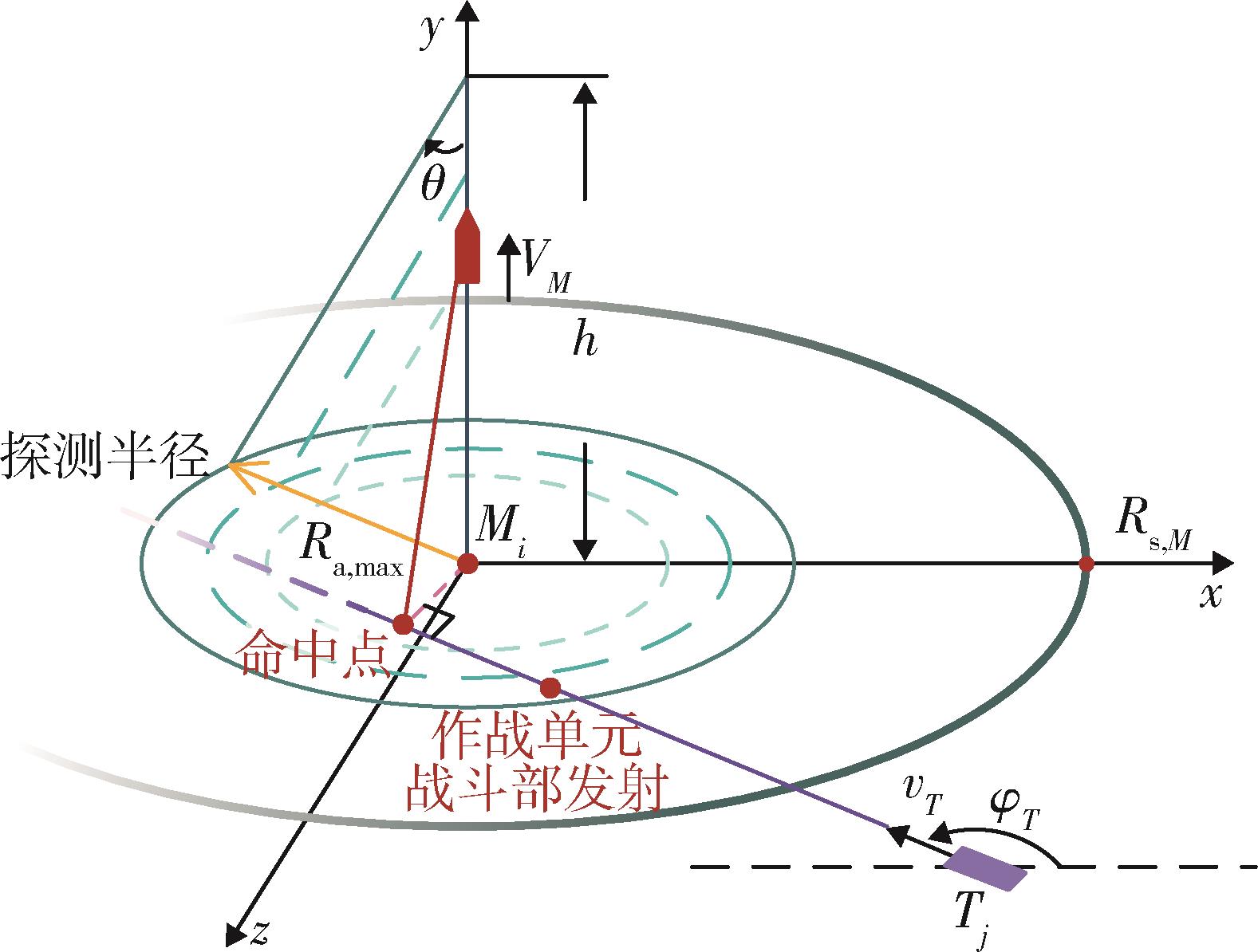
Fig. 1 Combat scenario of combat unit
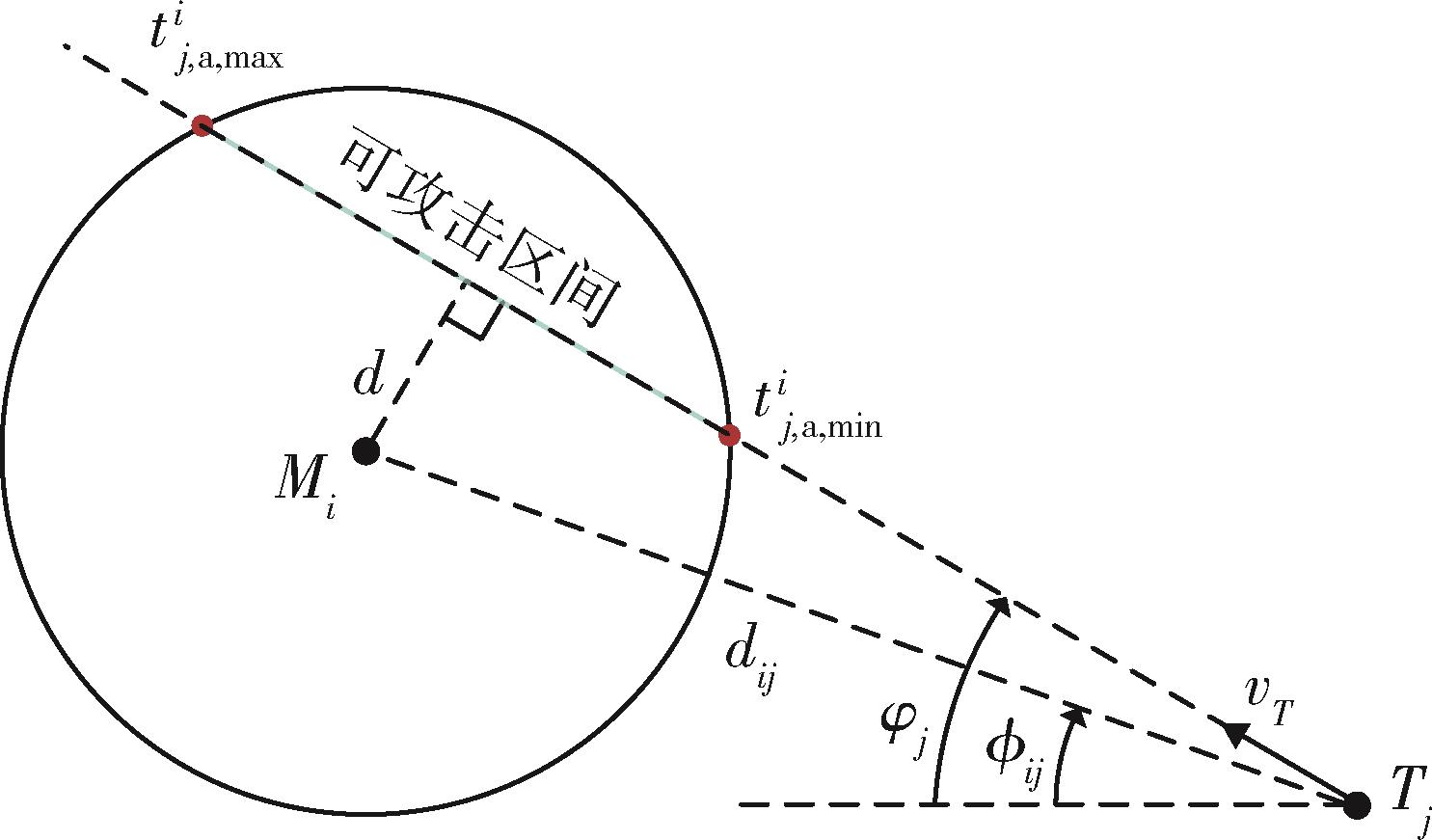
Fig. 2 Relative motion relationship between combat units and targets
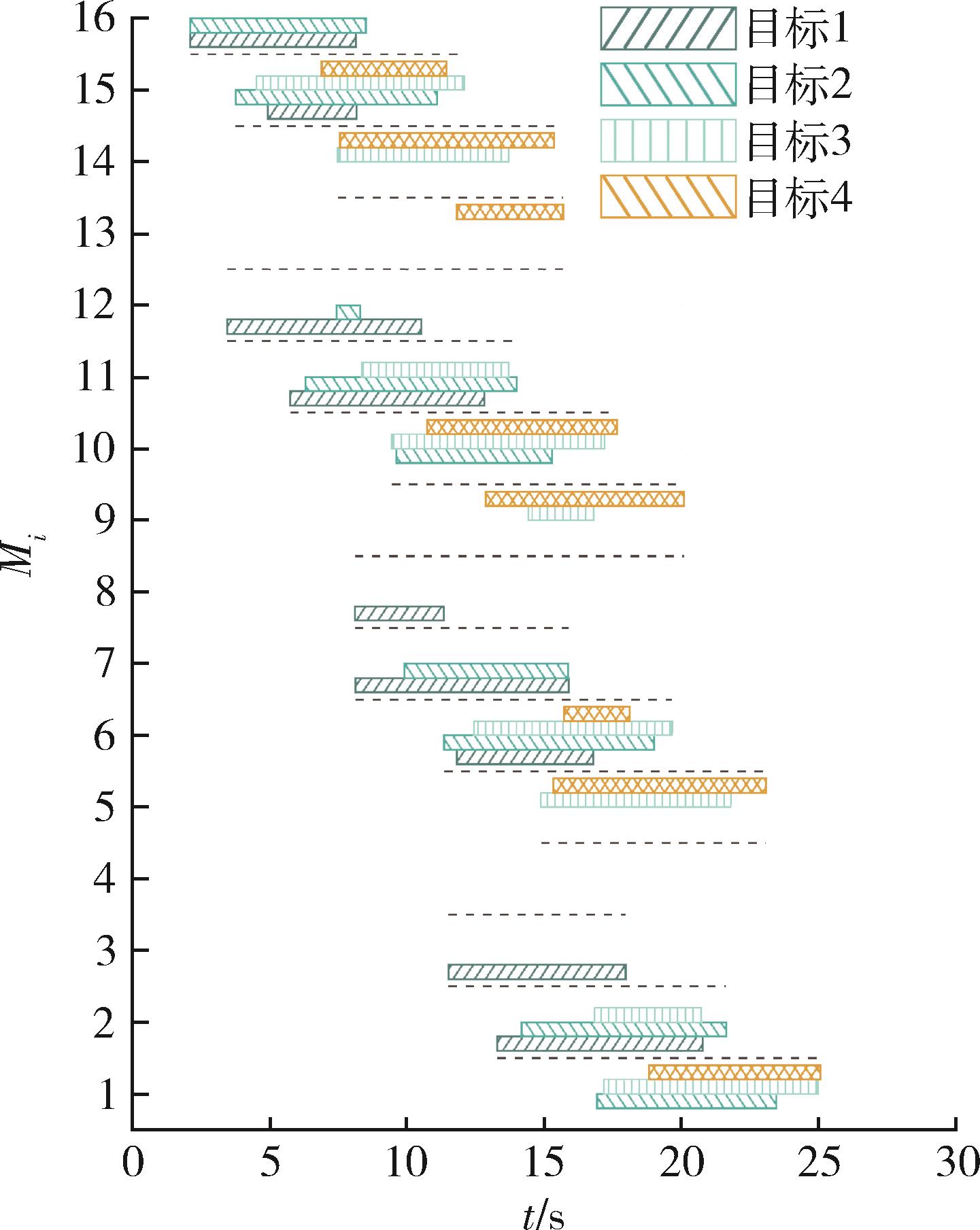
Fig. 3 Feasible engagement time set of combat units
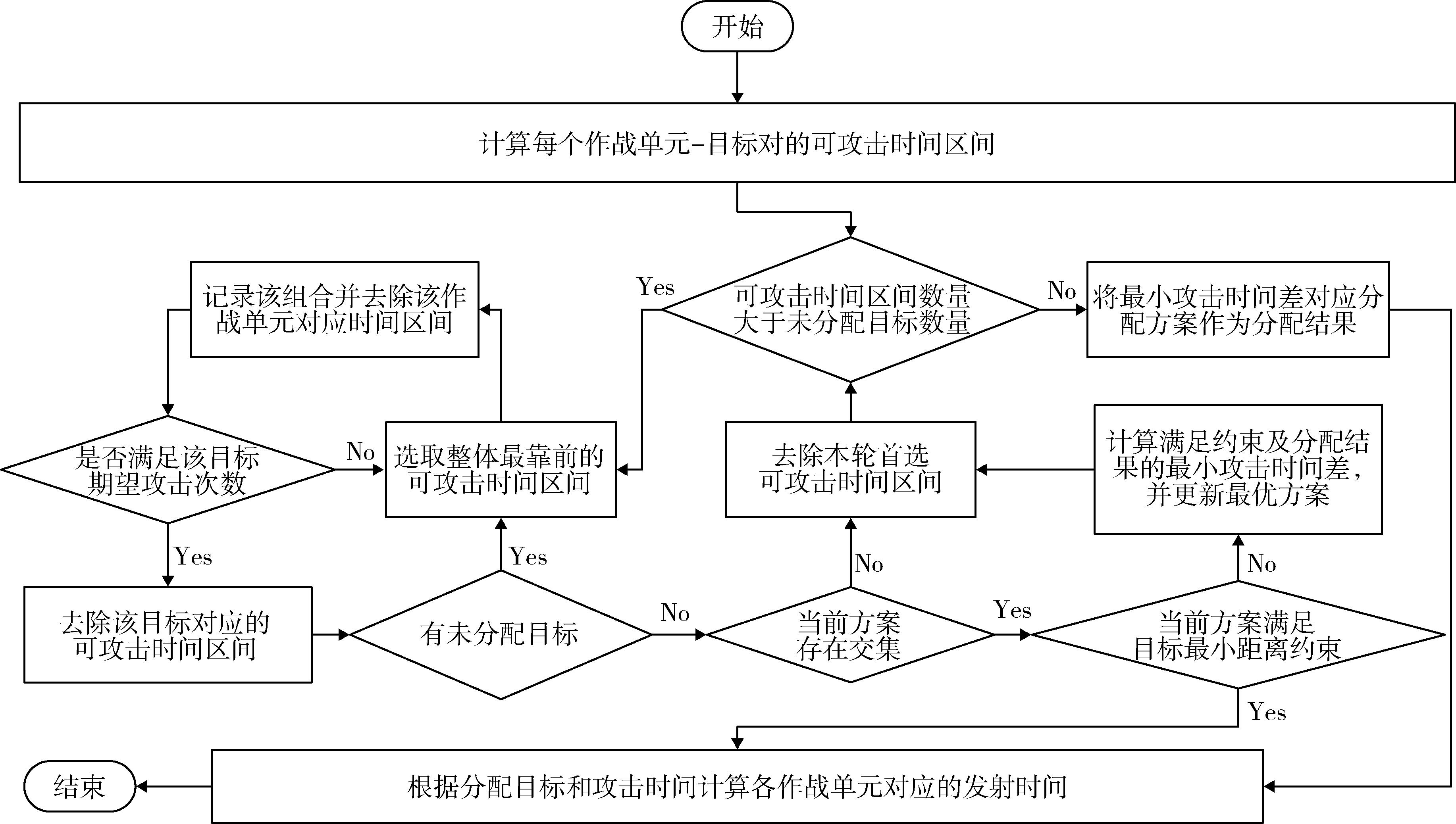
Fig. 4 Flowchart of the greedy task planning algorithm based on dynamic time window
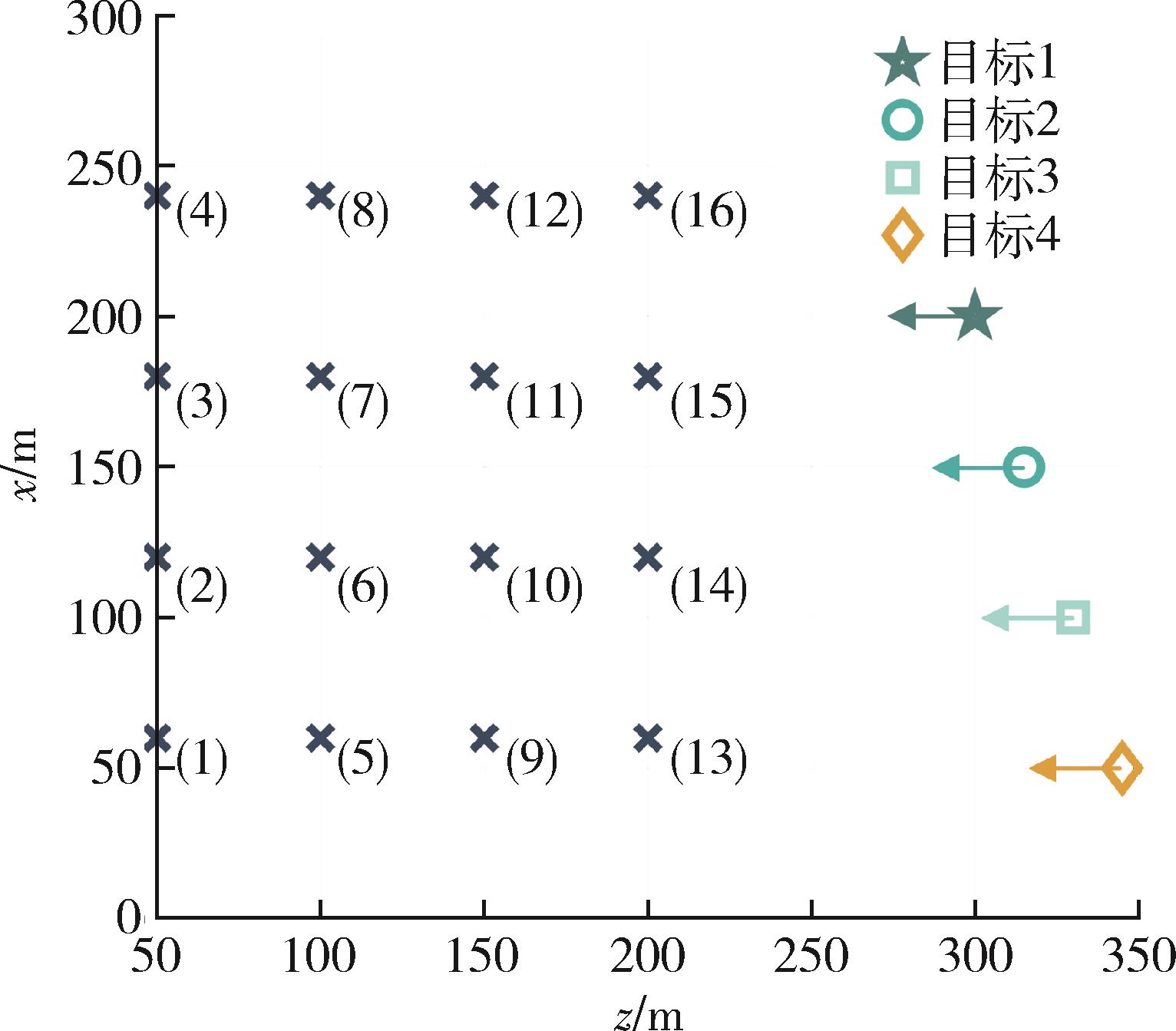
Fig. 5 Initial deployment against lateral queue
| 作战单元编号 | 分配目标编号 | 发射时间/s |
|---|---|---|
| 13 | 4 | 7.743 4 |
| 14 | 3 | 7.788 1 |
| 15 | 2 | 7.576 5 |
| 16 | 1 | 7.268 8 |
Table 1 Task assignment results against lateral queue
| 作战单元编号 | 分配目标编号 | 发射时间/s |
|---|---|---|
| 13 | 4 | 7.743 4 |
| 14 | 3 | 7.788 1 |
| 15 | 2 | 7.576 5 |
| 16 | 1 | 7.268 8 |
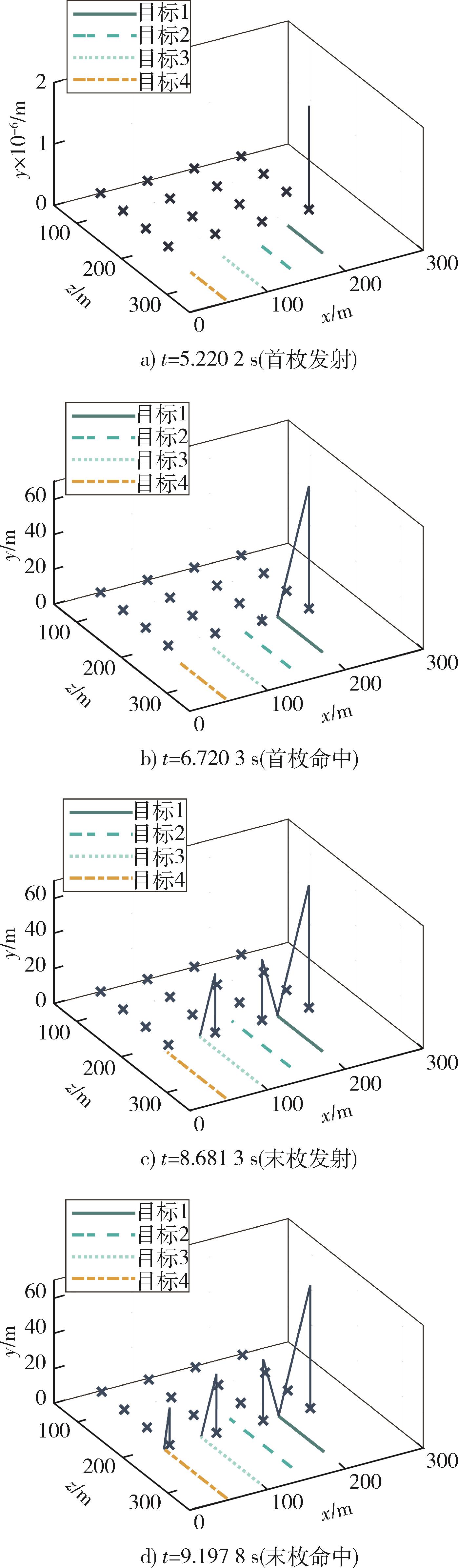
Fig. 6 Trajectories of combat units and targets against lateral queue without fire scheduling
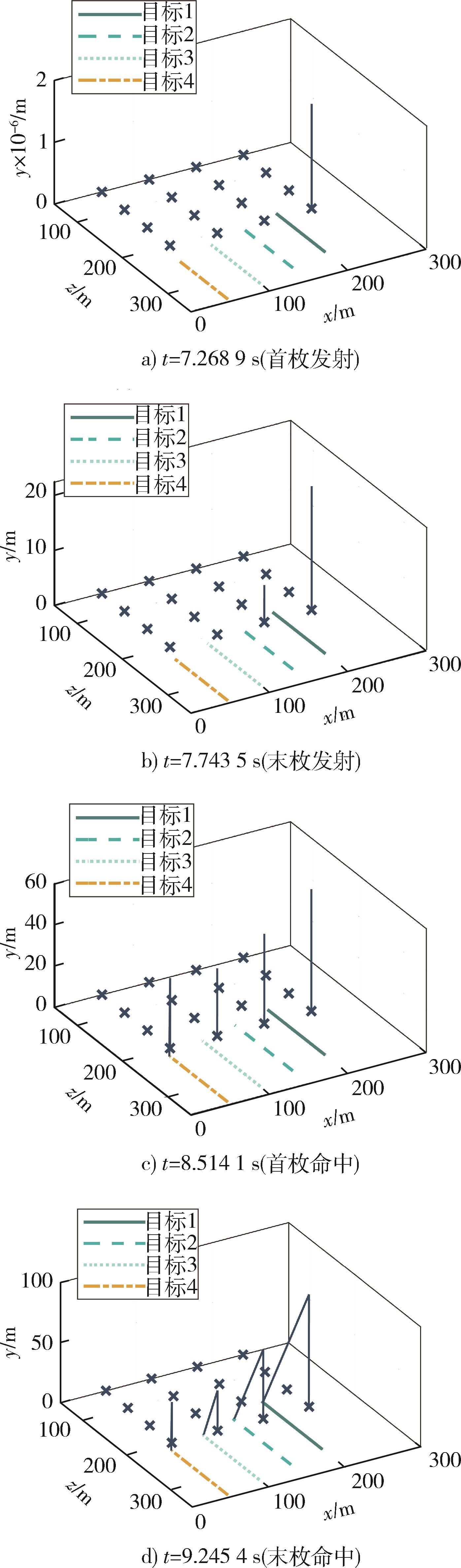
Fig. 7 Trajectories of combat units and targets against lateral queue with fire scheduling
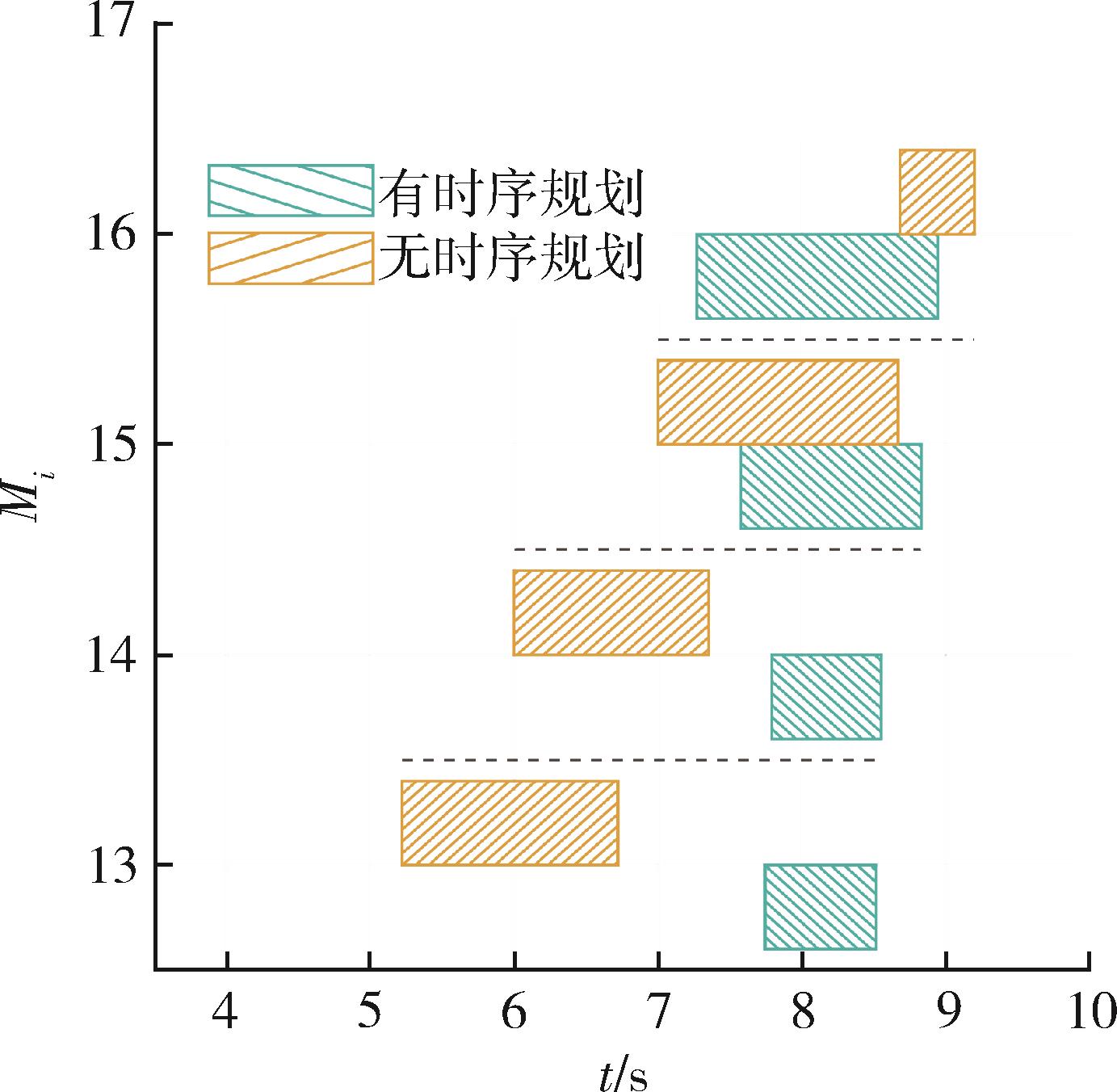
Fig. 8 Launch and attack timing sequence of combat units against lateral formation
| 作战单元编号 | 攻击目标(时序 规划) | 攻击目标(无时序 规划) | 命中时间/s(时序 规划) | 命中时间/s(无时序 规划) |
|---|---|---|---|---|
| 13 | 4 | 4 | 8.514 0 | 6.720 3 |
| 14 | 3 | 4 | 8.551 4 | 7.349 2 |
| 15 | 2 | 2 | 8.829 4 | 8.666 0 |
| 16 | 1 | 1 | 8.945 1 | 9.197 8 |
Table 2 Engagement results against the lateral queue
| 作战单元编号 | 攻击目标(时序 规划) | 攻击目标(无时序 规划) | 命中时间/s(时序 规划) | 命中时间/s(无时序 规划) |
|---|---|---|---|---|
| 13 | 4 | 4 | 8.514 0 | 6.720 3 |
| 14 | 3 | 4 | 8.551 4 | 7.349 2 |
| 15 | 2 | 2 | 8.829 4 | 8.666 0 |
| 16 | 1 | 1 | 8.945 1 | 9.197 8 |
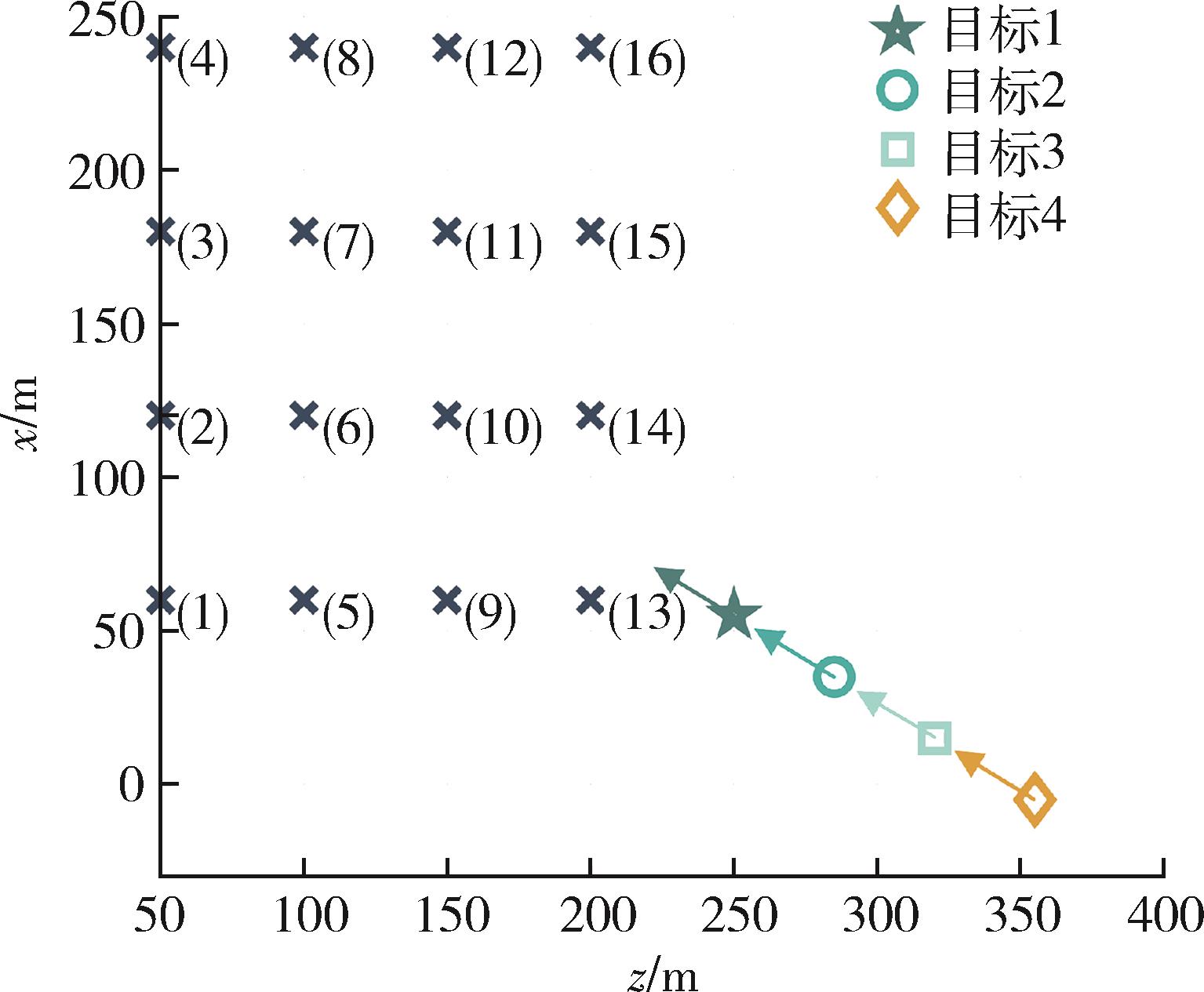
Fig. 9 Initial deployment against the longitudinal queue
| 作战单元编号 | 分配目标编号 | 发射时间/s |
|---|---|---|
| 6 | 1 | 9.213 1 |
| 10 | 2 | 9.220 1 |
| 13 | 3 | 8.514 8 |
| 14 | 4 | 8.565 0 |
Table 3 Task assignment results against longitudinal queue
| 作战单元编号 | 分配目标编号 | 发射时间/s |
|---|---|---|
| 6 | 1 | 9.213 1 |
| 10 | 2 | 9.220 1 |
| 13 | 3 | 8.514 8 |
| 14 | 4 | 8.565 0 |
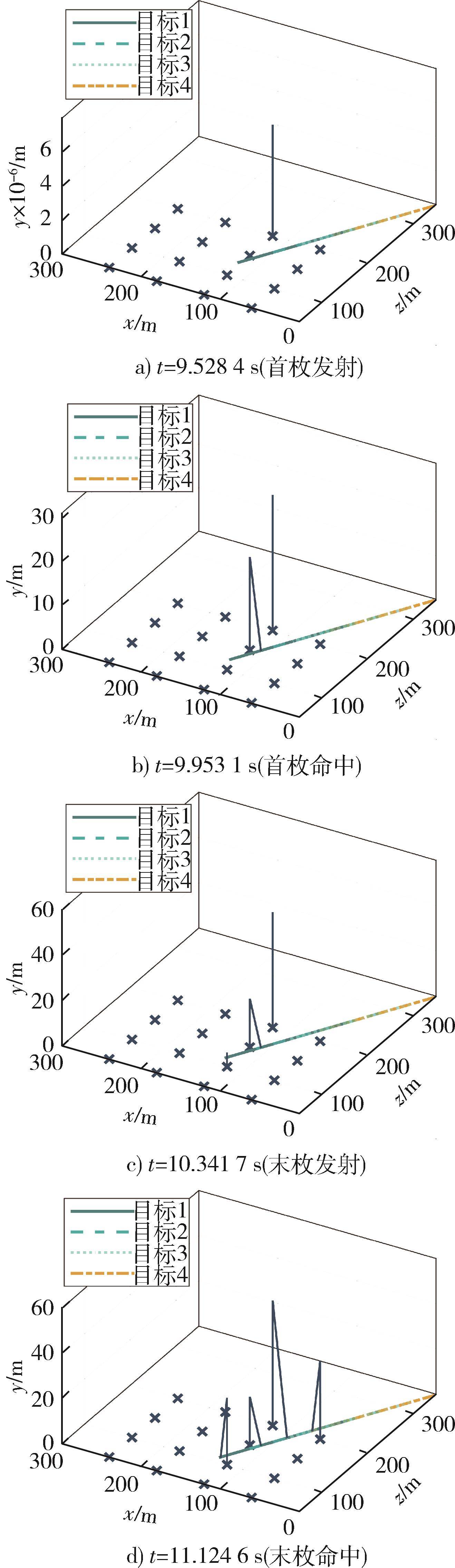
Fig. 10 Trajectories of combat units and targets against longitudinal queue without fire scheduling
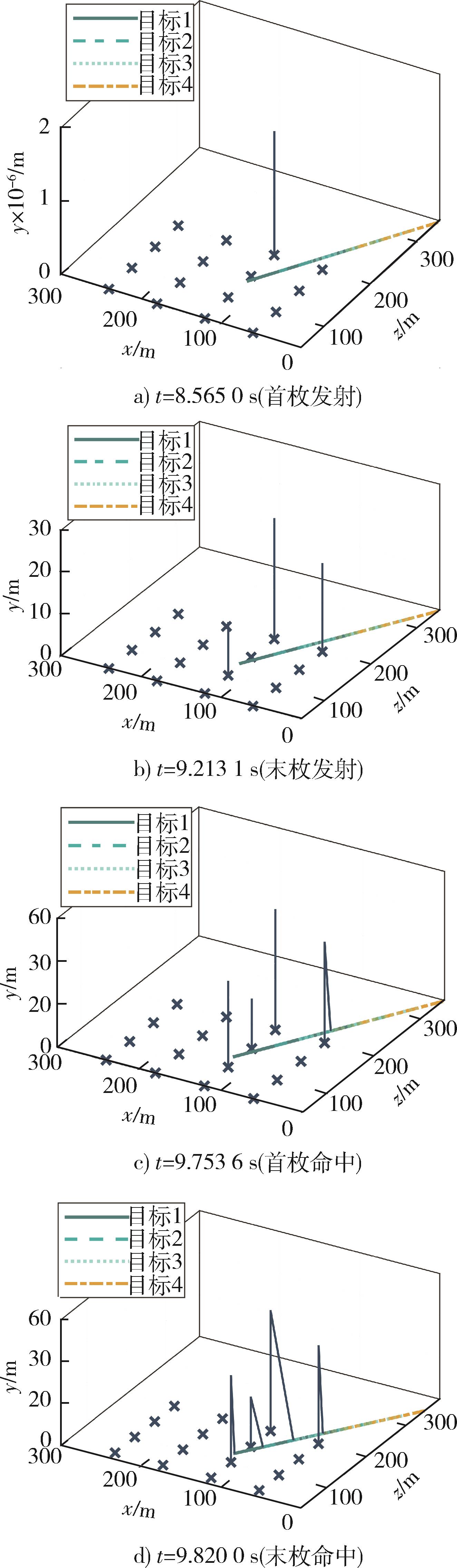
Fig. 11 Trajectories of combat units and targets against the longitudinal queue with fire scheduling
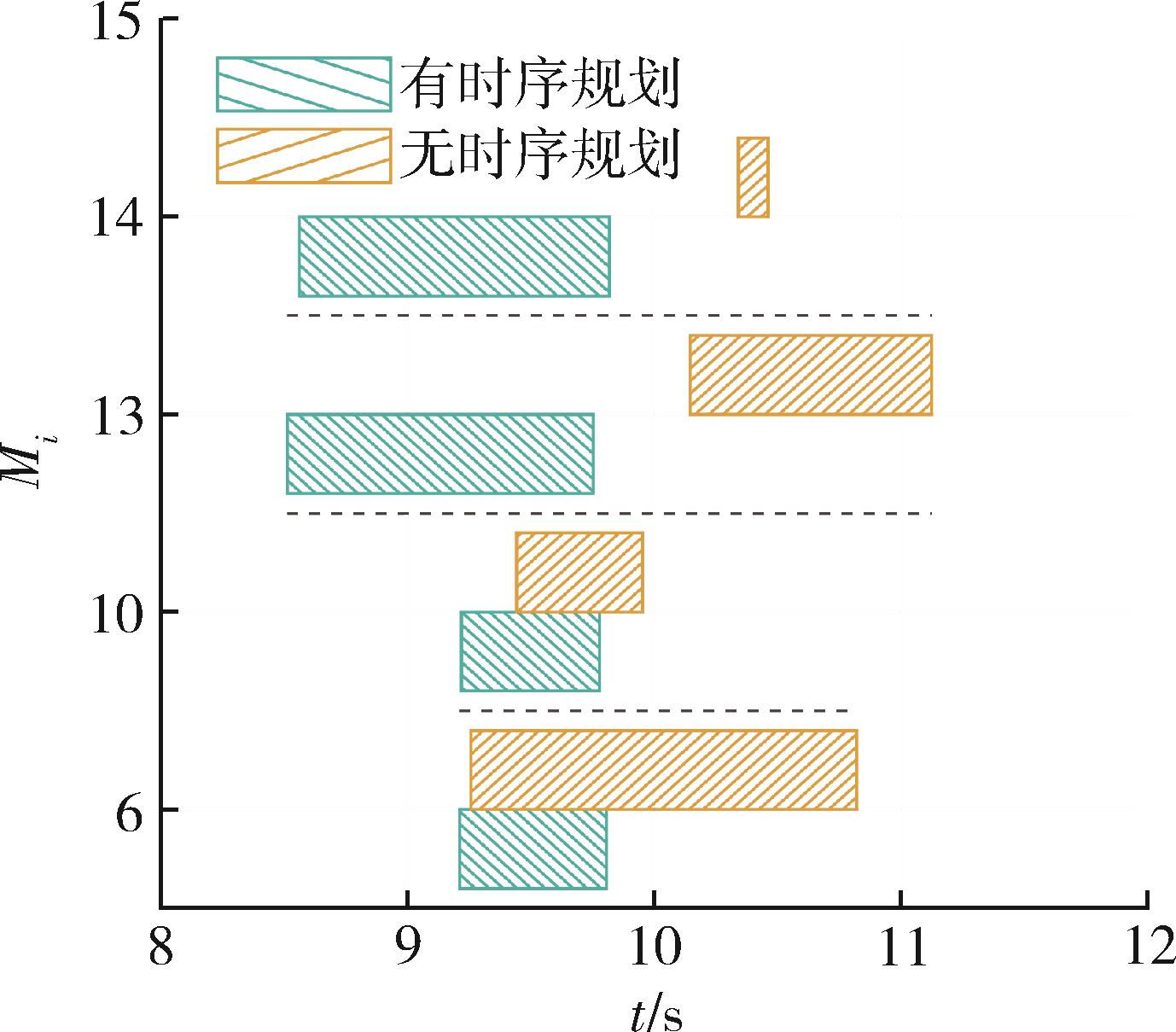
Fig. 12 Launch and attack timing sequence of combat units against longitudinal formation
作战单元 编号 | 攻击目标 | 命中时间/s (时序规划) | 命中时间/s (无时序规划) |
|---|---|---|---|
| 6 | 1 | 9.808 2 | 10.819 9 |
| 10 | 2 | 9.779 7 | 9.953 1 |
| 13 | 3 | 9.753 5 | 11.124 6 |
| 14 | 4 | 9.820 0 | 10.461 7 |
Table 4 Engagement results against the longitudinal queue
作战单元 编号 | 攻击目标 | 命中时间/s (时序规划) | 命中时间/s (无时序规划) |
|---|---|---|---|
| 6 | 1 | 9.808 2 | 10.819 9 |
| 10 | 2 | 9.779 7 | 9.953 1 |
| 13 | 3 | 9.753 5 | 11.124 6 |
| 14 | 4 | 9.820 0 | 10.461 7 |
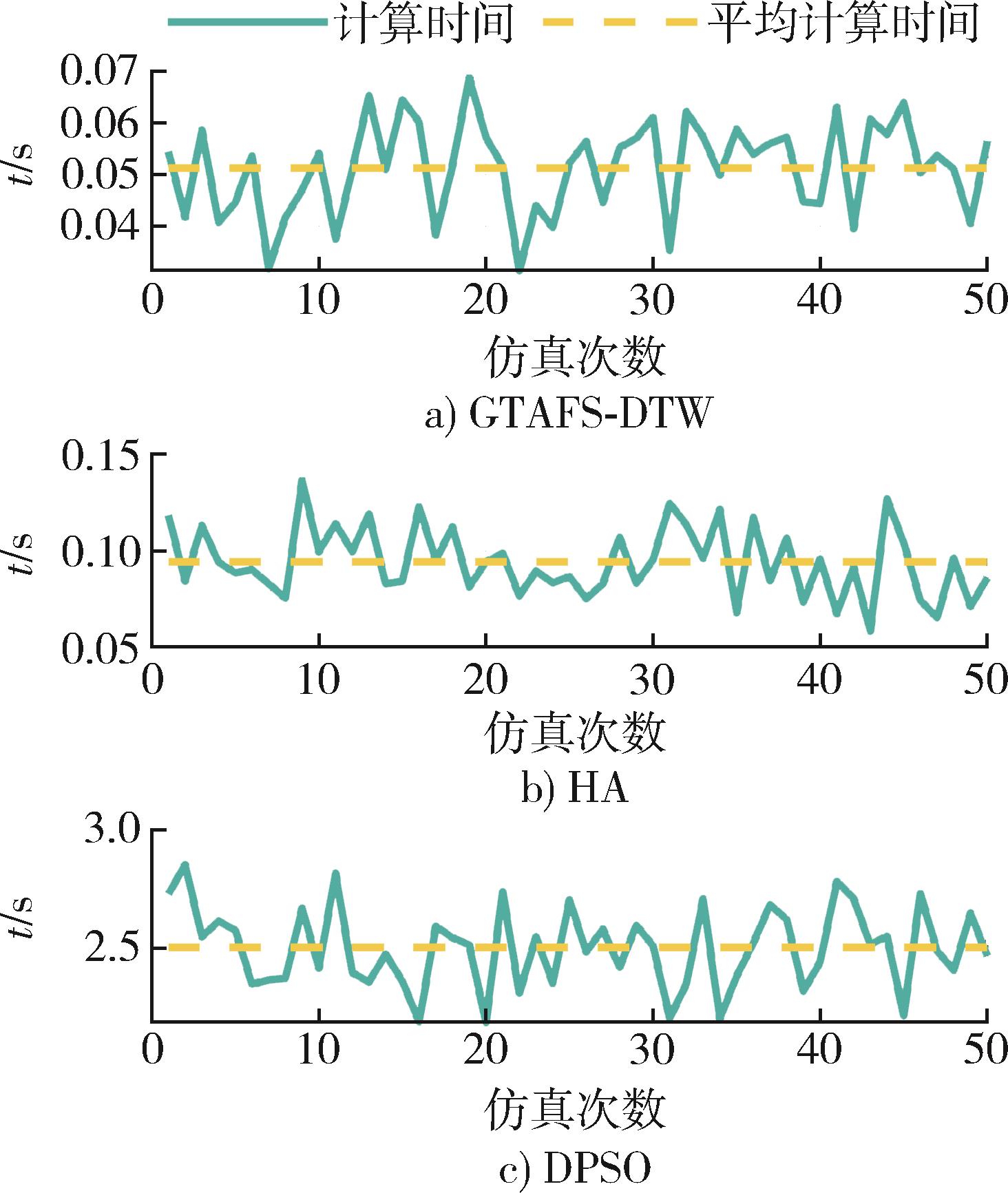
Fig. 13 Comparison of computation time
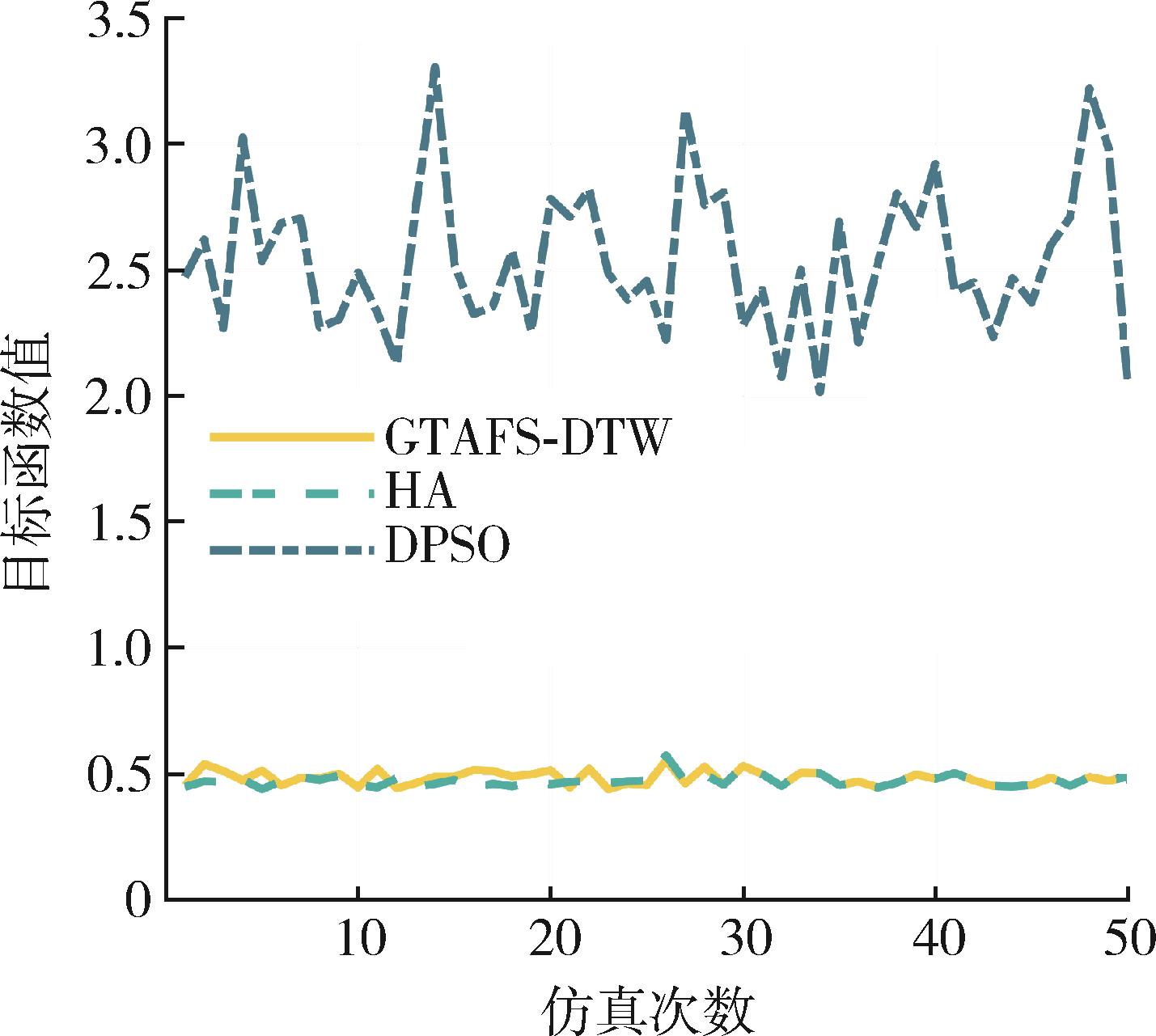
Fig. 14 Comparison of objective function values
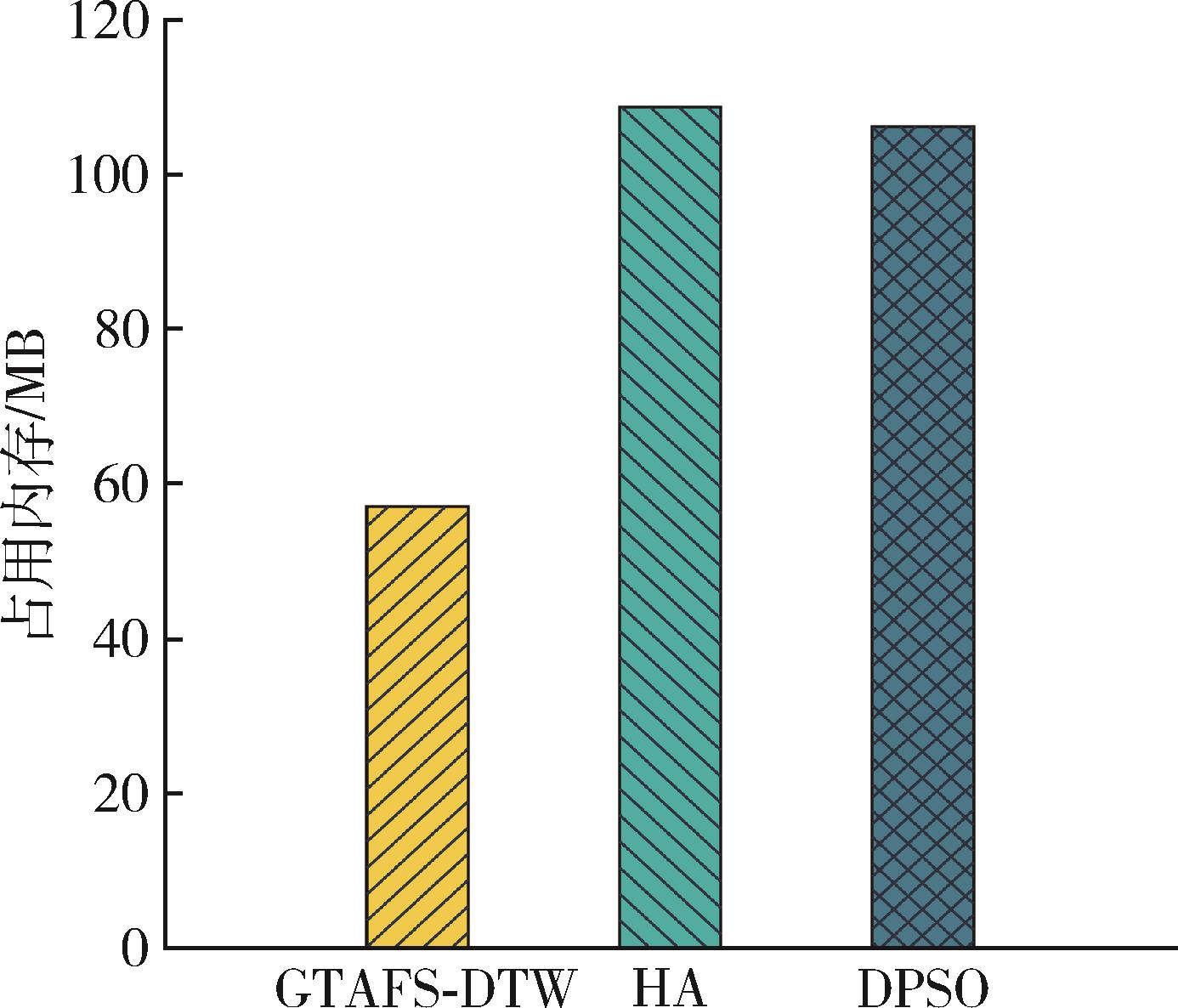
Fig. 15 Memory usage comparison
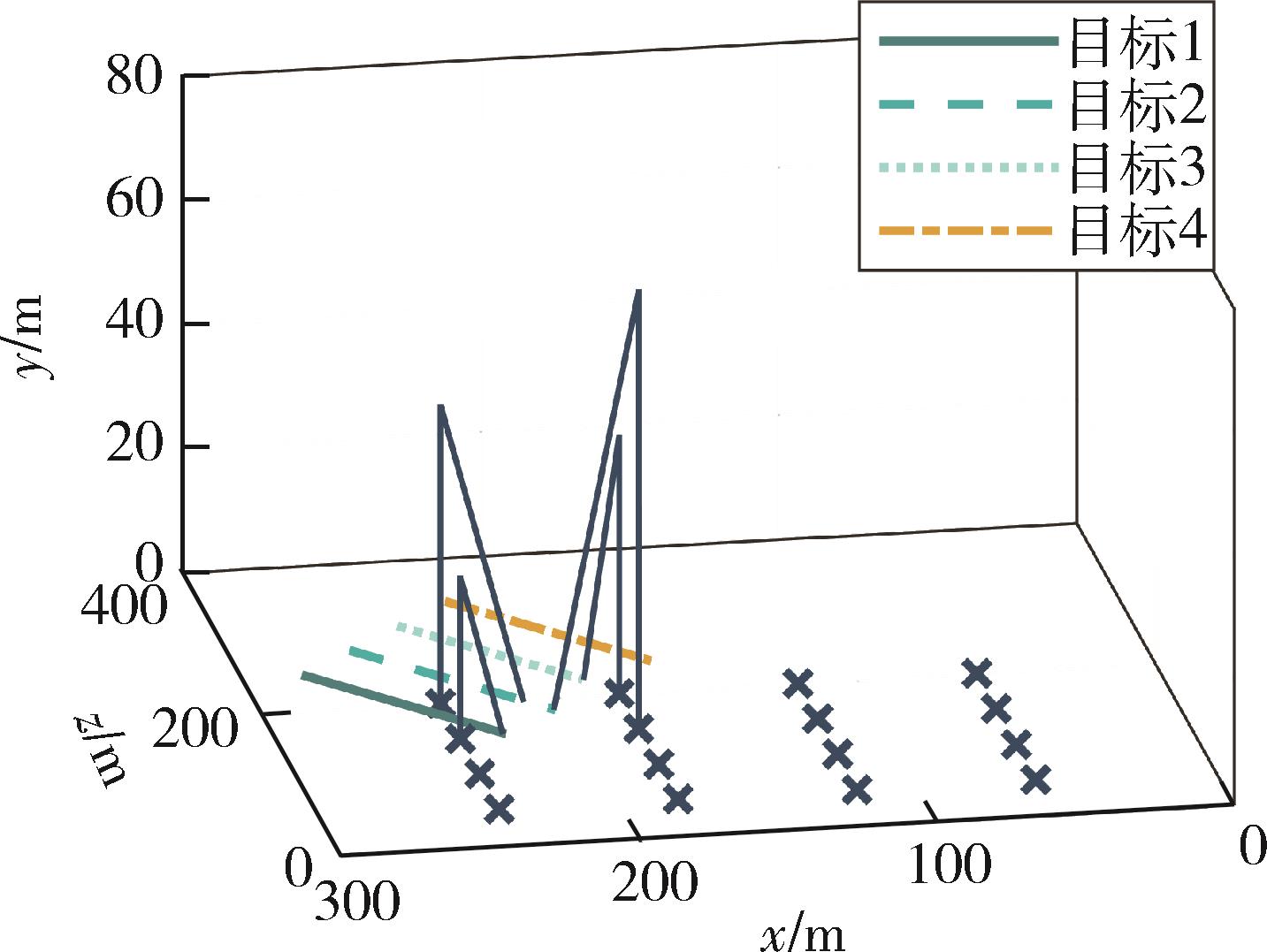
Fig. 16 Trajectories of combat units and targets (DPSO)
| [1] | 李翰朋, 宣兆龙. 智能雷发展现状及关键技术[J]. 现代防御技术, 2018, 46(2): 6-11. |
| LI Hanpeng, XUAN Zhaolong. Development Status and Key Technology of Intelligent Mine[J]. Modern Defence Technology, 2018, 46(2): 6-11. | |
| [2] | 李欢, 刘欣璐. 智能雷在特种作战中的应用[J]. 现代防御技术, 2021, 49(2): 20-25. |
| LI Huan, LIU Xinlu. Application of Intelligent Mines in Special Operations[J]. Modern Defence Technology, 2021, 49(2): 20-25. | |
| [3] | MANNE A S. A Target-Assignment Problem[J]. Operations Research, 1958, 6(3): 346-351. |
| [4] | LLOYD W. Weapons Allocation Is NP-Complete[C]∥1986 Summer Computer Simulation Conference. [S.l. : s.n.], 1986: 1054-1058. |
| [5] | 马也, 范文慧, 常天庆. 基于智能算法的无人集群防御作战方案优化方法[J]. 兵工学报, 2022, 43(6): 1415-1425. |
| MA Ye, FAN Wenhui, CHANG Tianqing. Optimization Method of Unmanned Swarm Defensive Combat Scheme Based on Intelligent Algorithm[J]. Acta Armamentarii, 2022, 43(6): 1415-1425. | |
| [6] | LUO Sheng, WEI Zihao, MA Zhenyu, et al. Multi-loitering Munitions Cooperative Interference Resource Allocation Based on Hybrid Ant Colony Algorithm[C]∥2021 33rd Chinese Control and Decision Conference (CCDC). Piscataway: IEEE, 2021: 3908-3913. |
| [7] | 王浩博, 刘建涛. 基于改进模拟退火算法的防空武器集群打击目标动态分配[J]. 计算机测量与控制, 2024, 32(7): 196-202. |
| WANG Haobo, LIU Jiantao. Dynamic Allocation on Air Defense Weapon Cluster Striking Targets Based on Improved Simulated Annealing Algorithm[J]. Computer Measurement & Control, 2024, 32(7): 196-202. | |
| [8] | 吴秋实, 郭杰, 康振亮, 等. 基于γ随机搜索策略的无人机集群海上任务分配[J]. 北京航空航天大学学报, 2024, 50(12): 3872-3883. |
| WU Qiushi, GUO Jie, KANG Zhenliang, et al. Maritime Mission Assignment of UAV Clusters Based on γ Random Search Strategy[J]. Journal of Beijing University of Aeronautics and Astronautics, 2024, 50(12): 3872-3883. | |
| [9] | 谢永杰. 多平台防空导弹任务分配及协同制导方法研究[D]. 哈尔滨: 哈尔滨工业大学, 2019. |
| XIE Yongjie. Research on Task Assignment and Cooperative Guidance of Multi-platform Air Defense Missile[D]. Harbin: Harbin Institute of Technology, 2019. | |
| [10] | 刘庆国, 刘新学, 武健, 等. 基于改进NSGA-Ⅲ的多SGSW火力分配优化[J]. 系统工程与电子技术, 2020, 42(9): 1995-2002. |
| LIU Qingguo, LIU Xinxue, WU Jian, et al. Optimization of Fire Distribution for Multiple SGSW Based on Improved NSGA-Ⅲ[J]. Systems Engineering and Electronics, 2020, 42(9): 1995-2002. | |
| [11] | 于博文, 吕明. 基于改进NSGA-III算法的动态武器协同火力分配方法[J]. 火力与指挥控制, 2021, 46(8): 71-77, 82. |
| YU Bowen, Ming LÜ. Method for Dynamic Weapon Coordinative Firepower Distribution Based on Improved NSGA-Ⅲ Algorithm[J]. Fire Control & Command Control, 2021, 46(8): 71-77, 82. | |
| [12] | 聂俊峰, 陈行军, 苏琦. 基于NSGA-Ⅲ算法的集群目标来袭火力分配建模与优化[J]. 兵工学报, 2021, 42(8): 1771-1779. |
| NIE Junfeng, CHEN Xingjun, SU Qi. Modeling and Optimization of Weapon-Target Assignment for Group Targets Defense Based on NSGA-Ⅲ Algorithm[J]. Acta Armamentarii, 2021, 42(8): 1771-1779. | |
| [13] | KARASAKAL O, ÖZDEMIREL N E, KANDILLER L. Anti-ship Missile Defense for a Naval Task Group[J]. Naval Research Logistics, 2011, 58(3): 304-321. |
| [14] | 苏子美. 面向无人机群任务分配的多目标优化算法[D]. 哈尔滨: 哈尔滨工程大学, 2021. |
| SU Zimei. Multi Objective Optimization Algorithm for UAV Group Task Allocation[D]. Harbin: Harbin Engineering University, 2021. | |
| [15] | LEBOUCHER C, SHIN H S, SIARRY P. A Two-Step Optimisation Method for Dynamic Weapon Target Assignment Problem[M/OL].(2013-01-30)[2025-03-27]. . |
| [16] | LI Jinrui, WU Guohua, WANG Ling. A Comprehensive Survey of Weapon Target Assignment Problem: Model, Algorithm, and Application[J]. Engineering Applications of Artificial Intelligence, 2024, 137, Part B: 109212. |
| [17] | MA Yingying, WANG Guoqiang, HU Xiaoxuan, et al. Two-Stage Hybrid Heuristic Search Algorithm for Novel Weapon Target Assignment Problems[J]. Computers & Industrial Engineering, 2021, 162: 107717. |
| [18] | LILES J M, ROBBINS M J, LUNDAY B J. Improving Defensive Air Battle Management by Solving a Stochastic Dynamic Assignment Problem Via Approximate Dynamic Programming[J]. European Journal of Operational Research, 2023, 305(3): 1435-1449. |
| [19] | BAI Zhenzu, ZHOU Haiyin, SHI Jianmai, et al. A Hybrid Multi-objective Evolutionary Algorithm with High Solving Efficiency for UAV Defense Programming[J]. Swarm and Evolutionary Computation, 2024, 87: 101572. |
| [20] | 舒敬荣, 蒋胜平, 李明军, 等. 无伞双翼末敏弹稳态扫描段受力分析[J]. 弹道学报, 2010, 22(2): 48-51. |
| SHU Jingrong, JIANG Shengping, LI Mingjun, et al. Force and Moment Analysis for Double-Win Terminal Sensing Ammunition Without Parachute at Stable-Scanning Stage[J]. Journal of Ballistics, 2010, 22(2): 48-51. | |
| [21] | 王静, 刘立芳, 齐小刚. 基于遗传算法的反坦克智能雷场作战方案规划[J]. 兵器装备工程学报, 2019, 40(6): 51-56. |
| WANG Jing, LIU Lifang, QI Xiaogang. Operational Scheme of Anti-tank Intelligent Minefield Based on Genetic Algorithm[J]. Journal of Ordnance Equipment Engineering, 2019, 40(6): 51-56. |
| [1] | Xinming FAN. Multi-UAV Coverage Optimization Based on Virtual Force Particle Swarm Algorithm [J]. Modern Defense Technology, 2026, 54(1): 165-175. |
| [2] | Guoyong TU, Shi CHEN. Space Target Attitude Estimation Method Based on RCS Sequence [J]. Modern Defense Technology, 2025, 53(5): 145-151. |
| [3] | Shixiang YAN, Haijun LIU. Sensor-Weapon-Target Assignment Method Based on Deep Reinforcement Learning [J]. Modern Defense Technology, 2025, 53(4): 10-17. |
| [4] | Shihao LIU, Xiaozhou CUI, Feifei WANG, Xiaofei HUANG, Cong WANG. Research of Hard and Soft Killing Weapon Target Assignment Based on Hybrid Particle Swarm Optimization [J]. Modern Defense Technology, 2025, 53(1): 97-107. |
| [5] | Xiqing WEI, Sha DU. Heuristic Target Assignment Method for Swarm Operations [J]. Modern Defense Technology, 2024, 52(6): 47-51. |
| [6] | Wenbiao HE, Yongjiang HU, Wenguang LI. Review of Optimization Algorithms for UAV Routes [J]. Modern Defense Technology, 2024, 52(4): 24-32. |
| [7] | Yuhao LIU, Bing ZHANG, Zijin FANG. Approach Orbit Design Method for Space Multi-target Glide Observation [J]. Modern Defense Technology, 2024, 52(1): 57-64. |
| [8] | Yang TAO, Yi ZHOU, Huangtao JIANG. Application of Improved Ant Colony Algorithm to Terrain Following Route Planning Problem [J]. Modern Defense Technology, 2024, 52(1): 34-40. |
| [9] | Shiqiao DU, Guilan LI, Jun KOU, He HAO, Tong WU, Guoqing QIN, Hongwei GAO. Fast Search of Quantum Measurement System Parameters via Particle Swarm Optimization [J]. Modern Defense Technology, 2023, 51(6): 155-161. |
| [10] | MA Yan-yan, JIN Hong-bin, LI Hao, ZHANG Hui. Application of Improved PSO Algorithm in Radar-Net Deployment [J]. Modern Defense Technology, 2020, 48(3): 104-112. |
| [11] | LI Chun, SONG Xiao-cheng, LI Fang-fang. Design and Simulation of Multi-UAVs Coordinated Formation Control Software Platform [J]. Modern Defense Technology, 2018, 46(6): 143-150. |
| Viewed | ||||||
|
Full text |
|
|||||
|
Abstract |
|
|||||