Modern Defense Technology ›› 2026, Vol. 54 ›› Issue (4): 50-59.DOI: 10.3969/j.issn.1009-086x.2026.04.005
• PAPERS • Previous Articles Next Articles
You LI, Jiaxuan YANG, Zhijun JI
Received:2025-06-07
Revised:2025-08-14
Online:2026-08-28
Published:2026-09-01
Contact:
Jiaxuan YANG
通讯作者:
杨家轩
作者简介:李友(2000-),男,山东济南人。硕士生,研究方向为作战效能评估。
CLC Number:
You LI, Jiaxuan YANG, Zhijun JI. Study on Effectiveness Evaluation Method for Kill Chain Closure Under Evidential Reasoning Framework[J]. Modern Defense Technology, 2026, 54(4): 50-59.
李友, 杨家轩, 及志骏. 证据推理框架下的杀伤链闭合效能评估方法研究[J]. 现代防御技术, 2026, 54(4): 50-59.
Add to citation manager EndNote|Ris|BibTeX
URL: https://www.xdfyjs.cn/EN/10.3969/j.issn.1009-086x.2026.04.005
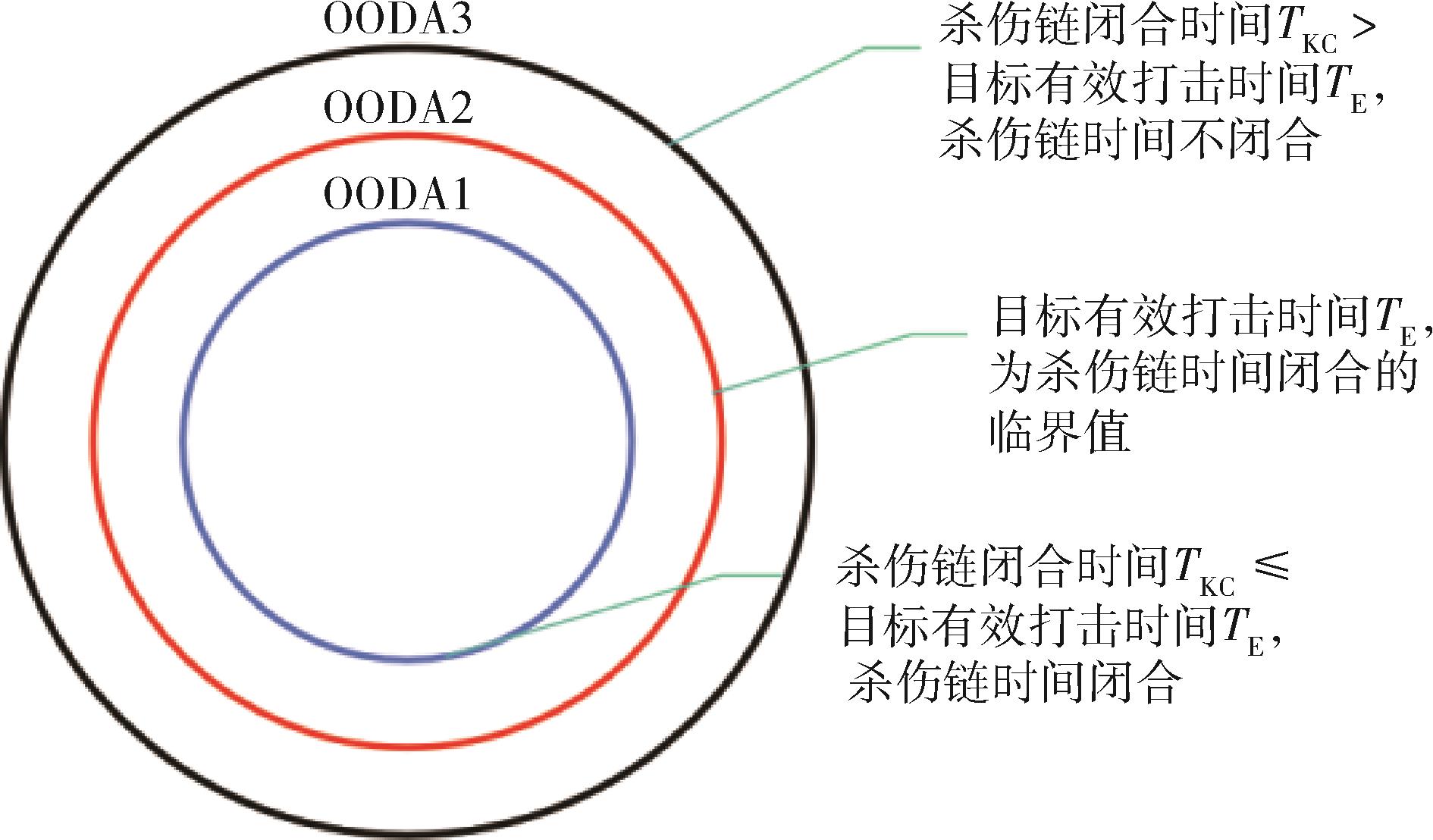
Fig. 1 Schematic diagram of kill chain time closure
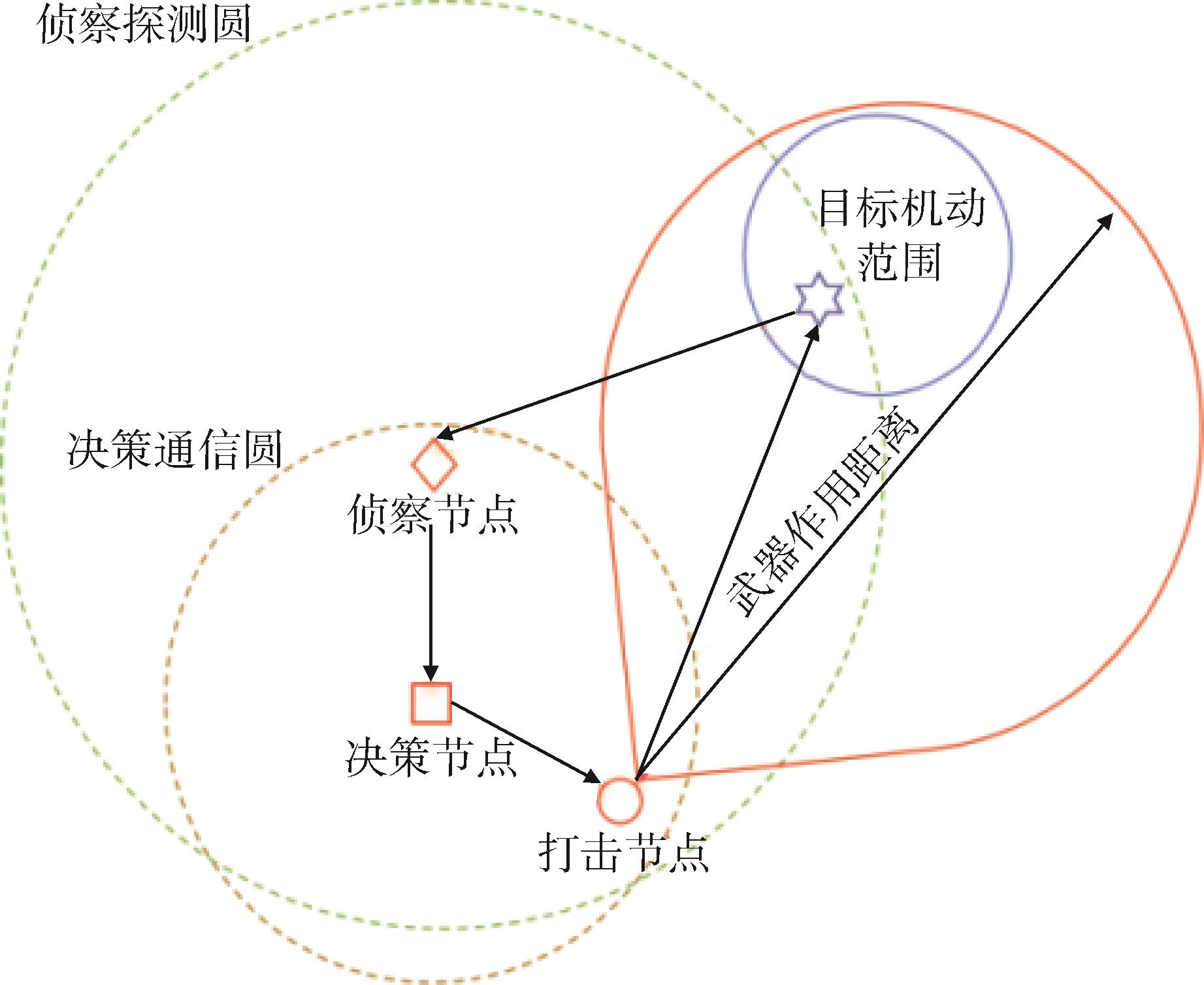
Fig. 2 Schematic diagram of kill chain space closure
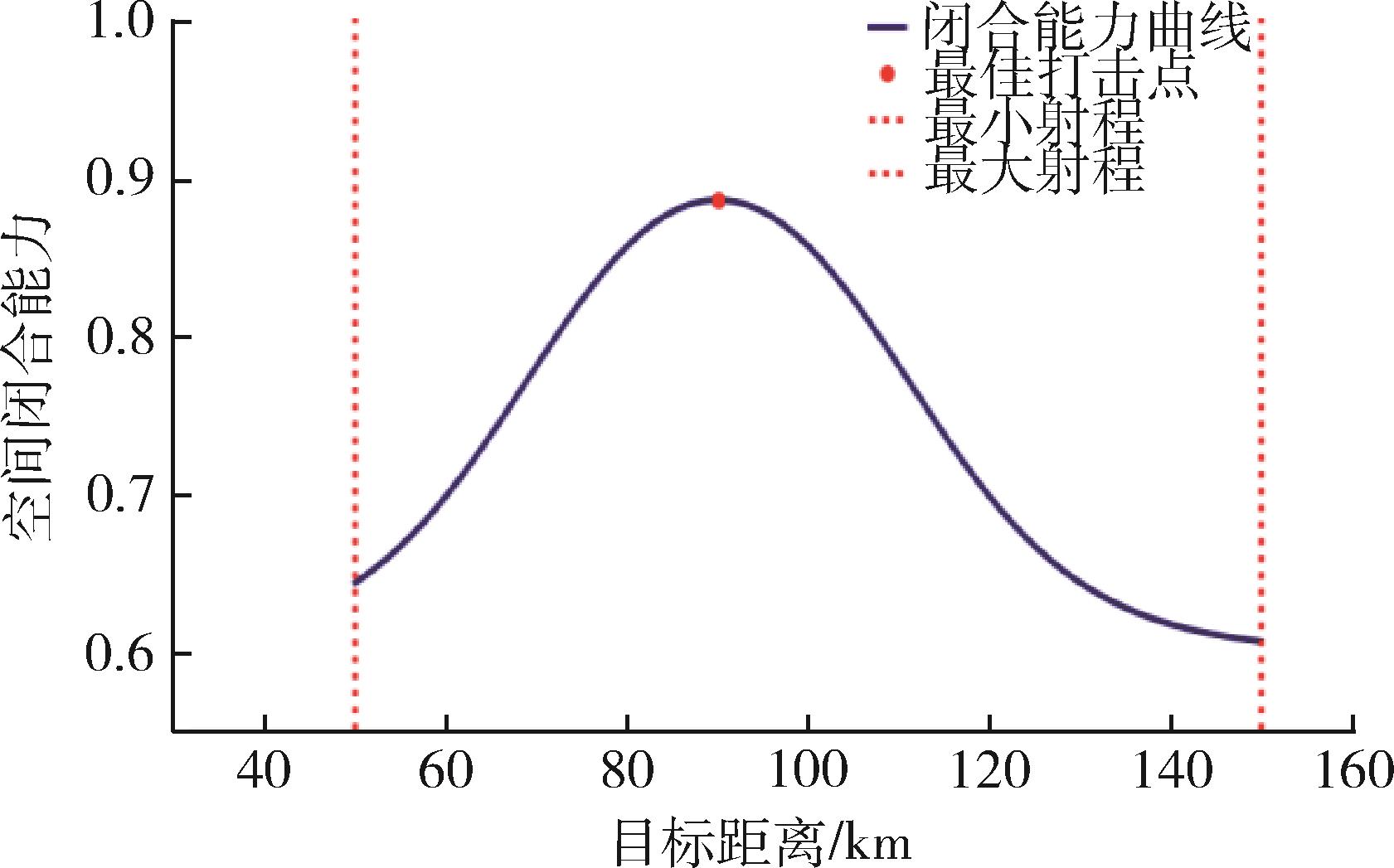
Fig. 3 Variation trend of capability within range
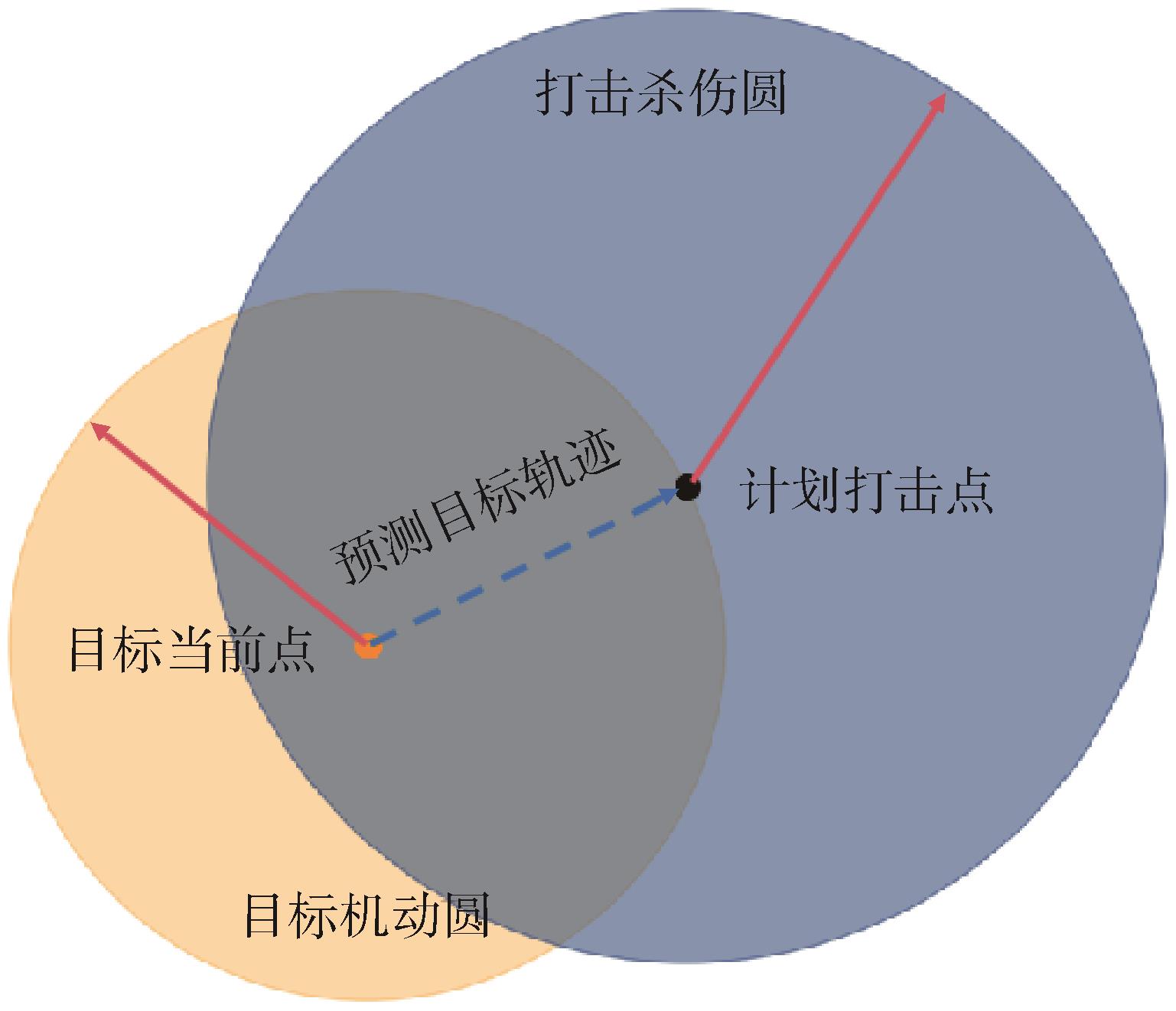
Fig. 4 Relationship between target location and weapon kill range
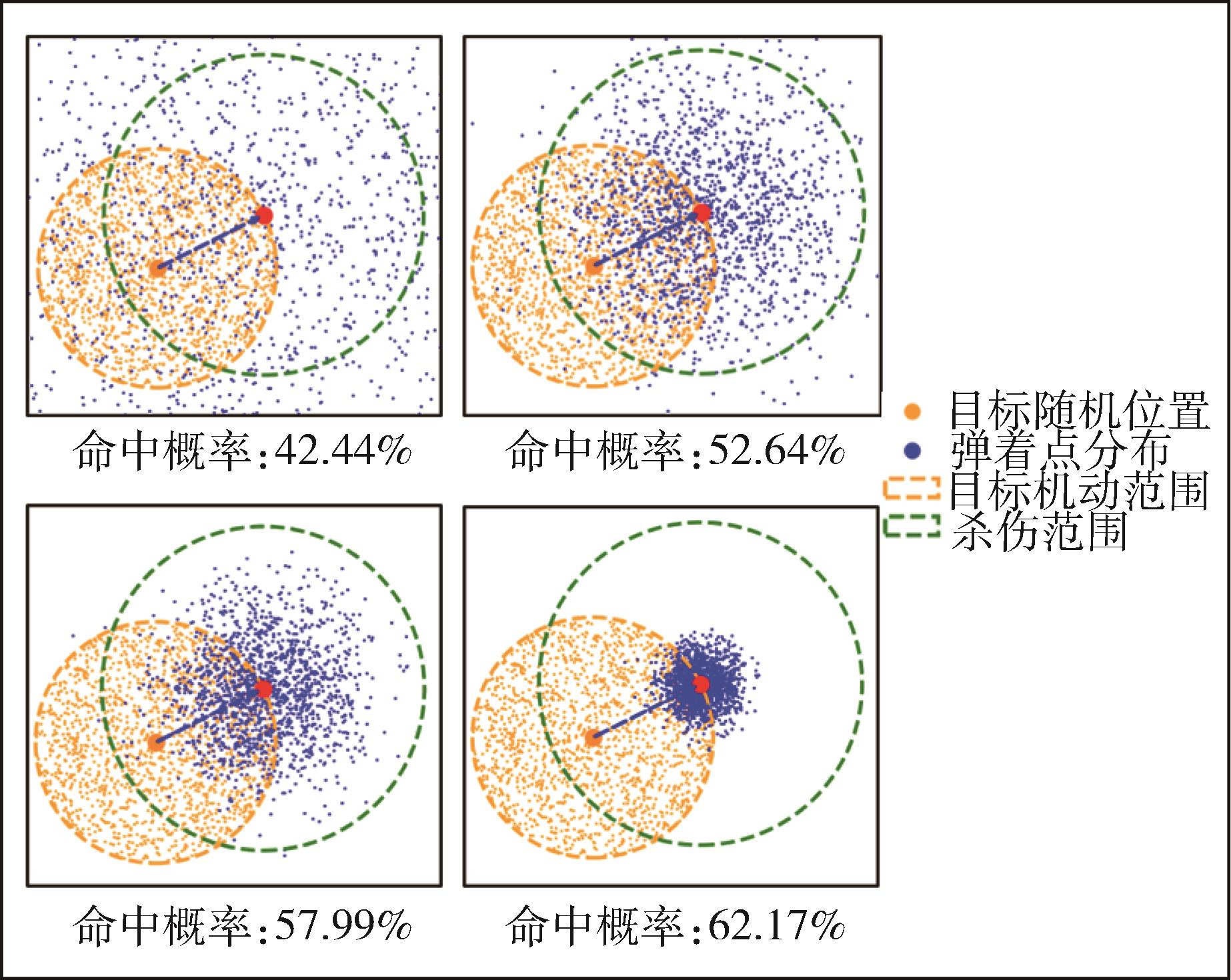
Fig. 5 Monte Carlo simulation results
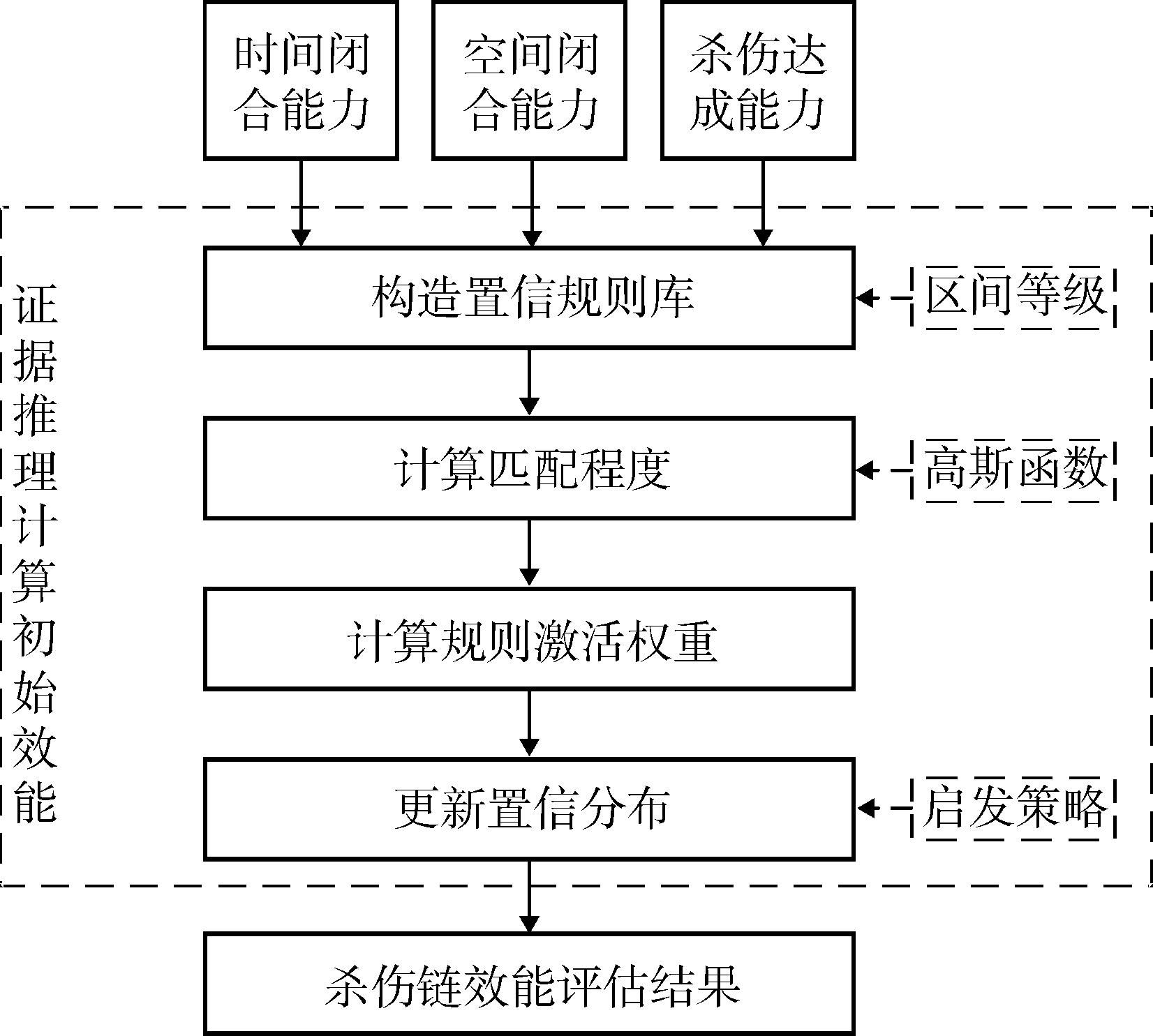
Fig. 6 Flow chart of kill chain evaluation method
| 序号 | 时间闭合比 | 空间闭合比 | 杀伤概率 |
|---|---|---|---|
| 1 | 0.20 | 0.85 | 0.95 |
| 2 | 0.55 | 0.70 | 0.85 |
| 3 | 0.55 | 0.90 | 0.85 |
| 4 | 0.60 | 0.55 | 0.65 |
| 5 | 0.85 | 0.90 | 0.65 |
Table1 Calculation results of capability indicators
| 序号 | 时间闭合比 | 空间闭合比 | 杀伤概率 |
|---|---|---|---|
| 1 | 0.20 | 0.85 | 0.95 |
| 2 | 0.55 | 0.70 | 0.85 |
| 3 | 0.55 | 0.90 | 0.85 |
| 4 | 0.60 | 0.55 | 0.65 |
| 5 | 0.85 | 0.90 | 0.65 |
| 能力指标 | 等级 | 参考值 |
|---|---|---|
| 时间闭合比 | 高 | (0, 0.25) |
| 中 | (0.25, 0.55) | |
| 低 | (0.55, 0.95) | |
| 空间闭合比 | 高 | (0.75, 0.95) |
| 中 | (0.40, 0.70) | |
| 低 | (0.15, 0.45) | |
| 杀伤概率 | 高 | (0.85, 0.95) |
| 中 | (0.55, 0.75) | |
| 低 | (0.30, 0.50) |
Table 2 Capability indicators and reference values
| 能力指标 | 等级 | 参考值 |
|---|---|---|
| 时间闭合比 | 高 | (0, 0.25) |
| 中 | (0.25, 0.55) | |
| 低 | (0.55, 0.95) | |
| 空间闭合比 | 高 | (0.75, 0.95) |
| 中 | (0.40, 0.70) | |
| 低 | (0.15, 0.45) | |
| 杀伤概率 | 高 | (0.85, 0.95) |
| 中 | (0.55, 0.75) | |
| 低 | (0.30, 0.50) |
| 序号 | 前提条件 | 结论 |
|---|---|---|
| 1 | (C1=H)^(C2=H)^(C3=H) | C{(成功,0.97),(失败0.02),(不确定,0.01)} |
| 2 | (C1=H)^(C2=H)^(C3=M) | C{(成功,0.85),(失败0.10),(不确定,0.05)} |
| 3 | (C1=H)^(C2=H)^(C3=L) | C{(成功,0.70),(失败0.20),(不确定,0.10)} |
| 4 | (C1=H)^(C2=M)^(C3=H) | C{(成功,0.85),(失败0.10),(不确定,0.05)} |
| 5 | (C1=H)^(C2=M)^(C3=M) | C{(成功,0.70),(失败0.20),(不确定,0.10)} |
| 6 | (C1=H)^(C2=M)^(C3=L) | C{(成功,0.45),(失败0.40),(不确定,0.15)} |
| 7 | (C1=H)^(C2=L)^(C3=H) | C{(成功,0.70),(失败0.20),(不确定,0.10)} |
| 8 | (C1=H)^(C2=L)^(C3=M) | C{(成功,0.50),(失败0.35),(不确定,0.15)} |
| 9 | (C1=H)^(C2=L)^(C3=L) | C{(成功,0.30),(失败0.55),(不确定,0.15)} |
| 10 | (C1=M)^(C2=H)^(C3=H) | C{(成功,0.85),(失败0.10),(不确定,0.05)} |
| 11 | (C1=M)^(C2=H)^(C3=M) | C{(成功,0.70),(失败0.20),(不确定,0.10)} |
| 12 | (C1=M)^(C2=H)^(C3=L) | C{(成功,0.45),(失败0.40),(不确定,0.15)} |
| 13 | (C1=M)^(C2=M)^(C3=H) | C{(成功,0.70),(失败0.20),(不确定,0.10)} |
| 14 | (C1=M)^(C2=M)^(C3=M) | C{(成功,0.50),(失败0.35),(不确定,0.15)} |
| 15 | (C1=M)^(C2=M)^(C3=L) | C{(成功,0.30),(失败0.55),(不确定,0.15)} |
| 16 | (C1=M)^(C2=L)^(C3=H) | C{(成功,0.50),(失败0.35),(不确定,0.15)} |
| 17 | (C1=M)^(C2=L)^(C3=M) | C{(成功,0.30),(失败0.55),(不确定,0.15)} |
| 18 | (C1=M)^(C2=L)^(C3=L) | C{(成功,0.15),(失败0.70),(不确定,0.15)} |
| 19 | (C1=L)^(C2=H)^(C3=H) | C{(成功,0.70),(失败0.20),(不确定,0.10)} |
| 20 | (C1=L)^(C2=H)^(C3=M) | C{(成功,0.50),(失败0.35),(不确定,0.15)} |
| 21 | (C1=L)^(C2=H)^(C3=L) | C{(成功,0.30),(失败0.55),(不确定,0.15)} |
| 22 | (C1=L)^(C2=M)^(C3=H) | C{(成功,0.50),(失败0.35),(不确定,0.15)} |
| 23 | (C1=L)^(C2=M)^(C3=M) | C{(成功,0.30),(失败0.55),(不确定,0.15)} |
| 24 | (C1=L)^(C2=M)^(C3=L) | C{(成功,0.15),(失败0.70),(不确定,0.15)} |
| 25 | (C1=L)^(C2=L)^(C3=H) | C{(成功,0.30),(失败0.55),(不确定,0.15)} |
| 26 | (C1=L)^(C2=L)^(C3=M) | C{(成功,0.15),(失败0.70),(不确定,0.15)} |
| 27 | (C1=L)^(C2=L)^(C3=L) | C{(成功,0.05),(失败0.90),(不确定,0.05)} |
Table 3 Belief rule base
| 序号 | 前提条件 | 结论 |
|---|---|---|
| 1 | (C1=H)^(C2=H)^(C3=H) | C{(成功,0.97),(失败0.02),(不确定,0.01)} |
| 2 | (C1=H)^(C2=H)^(C3=M) | C{(成功,0.85),(失败0.10),(不确定,0.05)} |
| 3 | (C1=H)^(C2=H)^(C3=L) | C{(成功,0.70),(失败0.20),(不确定,0.10)} |
| 4 | (C1=H)^(C2=M)^(C3=H) | C{(成功,0.85),(失败0.10),(不确定,0.05)} |
| 5 | (C1=H)^(C2=M)^(C3=M) | C{(成功,0.70),(失败0.20),(不确定,0.10)} |
| 6 | (C1=H)^(C2=M)^(C3=L) | C{(成功,0.45),(失败0.40),(不确定,0.15)} |
| 7 | (C1=H)^(C2=L)^(C3=H) | C{(成功,0.70),(失败0.20),(不确定,0.10)} |
| 8 | (C1=H)^(C2=L)^(C3=M) | C{(成功,0.50),(失败0.35),(不确定,0.15)} |
| 9 | (C1=H)^(C2=L)^(C3=L) | C{(成功,0.30),(失败0.55),(不确定,0.15)} |
| 10 | (C1=M)^(C2=H)^(C3=H) | C{(成功,0.85),(失败0.10),(不确定,0.05)} |
| 11 | (C1=M)^(C2=H)^(C3=M) | C{(成功,0.70),(失败0.20),(不确定,0.10)} |
| 12 | (C1=M)^(C2=H)^(C3=L) | C{(成功,0.45),(失败0.40),(不确定,0.15)} |
| 13 | (C1=M)^(C2=M)^(C3=H) | C{(成功,0.70),(失败0.20),(不确定,0.10)} |
| 14 | (C1=M)^(C2=M)^(C3=M) | C{(成功,0.50),(失败0.35),(不确定,0.15)} |
| 15 | (C1=M)^(C2=M)^(C3=L) | C{(成功,0.30),(失败0.55),(不确定,0.15)} |
| 16 | (C1=M)^(C2=L)^(C3=H) | C{(成功,0.50),(失败0.35),(不确定,0.15)} |
| 17 | (C1=M)^(C2=L)^(C3=M) | C{(成功,0.30),(失败0.55),(不确定,0.15)} |
| 18 | (C1=M)^(C2=L)^(C3=L) | C{(成功,0.15),(失败0.70),(不确定,0.15)} |
| 19 | (C1=L)^(C2=H)^(C3=H) | C{(成功,0.70),(失败0.20),(不确定,0.10)} |
| 20 | (C1=L)^(C2=H)^(C3=M) | C{(成功,0.50),(失败0.35),(不确定,0.15)} |
| 21 | (C1=L)^(C2=H)^(C3=L) | C{(成功,0.30),(失败0.55),(不确定,0.15)} |
| 22 | (C1=L)^(C2=M)^(C3=H) | C{(成功,0.50),(失败0.35),(不确定,0.15)} |
| 23 | (C1=L)^(C2=M)^(C3=M) | C{(成功,0.30),(失败0.55),(不确定,0.15)} |
| 24 | (C1=L)^(C2=M)^(C3=L) | C{(成功,0.15),(失败0.70),(不确定,0.15)} |
| 25 | (C1=L)^(C2=L)^(C3=H) | C{(成功,0.30),(失败0.55),(不确定,0.15)} |
| 26 | (C1=L)^(C2=L)^(C3=M) | C{(成功,0.15),(失败0.70),(不确定,0.15)} |
| 27 | (C1=L)^(C2=L)^(C3=L) | C{(成功,0.05),(失败0.90),(不确定,0.05)} |
| 规则 | 扰动 方式 | 测试链 | 评估 指标 | 原值 | 扰动值 | 信度 变化/% |
|---|---|---|---|---|---|---|
| 1 | 成功-0.1 | 1号 | 成功信度 | 0.683 | 0.639 | 4.4 |
| 14 | 成功+0.1 | 2号 | 不确定度 | 0.424 | 0.423 | 0.1 |
| 14 | 成功-0.1 | 2号 | 不确定度 | 0.424 | 0.425 | 0.1 |
| 27 | 失败+0.1 | 4号 | 失败信度 | 0.373 | 0.380 | 0.7 |
| 27 | 失败-0.1 | 4号 | 失败信度 | 0.373 | 0.364 | 0.9 |
Table 4 Test results of rule perturbation sensitivity
| 规则 | 扰动 方式 | 测试链 | 评估 指标 | 原值 | 扰动值 | 信度 变化/% |
|---|---|---|---|---|---|---|
| 1 | 成功-0.1 | 1号 | 成功信度 | 0.683 | 0.639 | 4.4 |
| 14 | 成功+0.1 | 2号 | 不确定度 | 0.424 | 0.423 | 0.1 |
| 14 | 成功-0.1 | 2号 | 不确定度 | 0.424 | 0.425 | 0.1 |
| 27 | 失败+0.1 | 4号 | 失败信度 | 0.373 | 0.380 | 0.7 |
| 27 | 失败-0.1 | 4号 | 失败信度 | 0.373 | 0.364 | 0.9 |
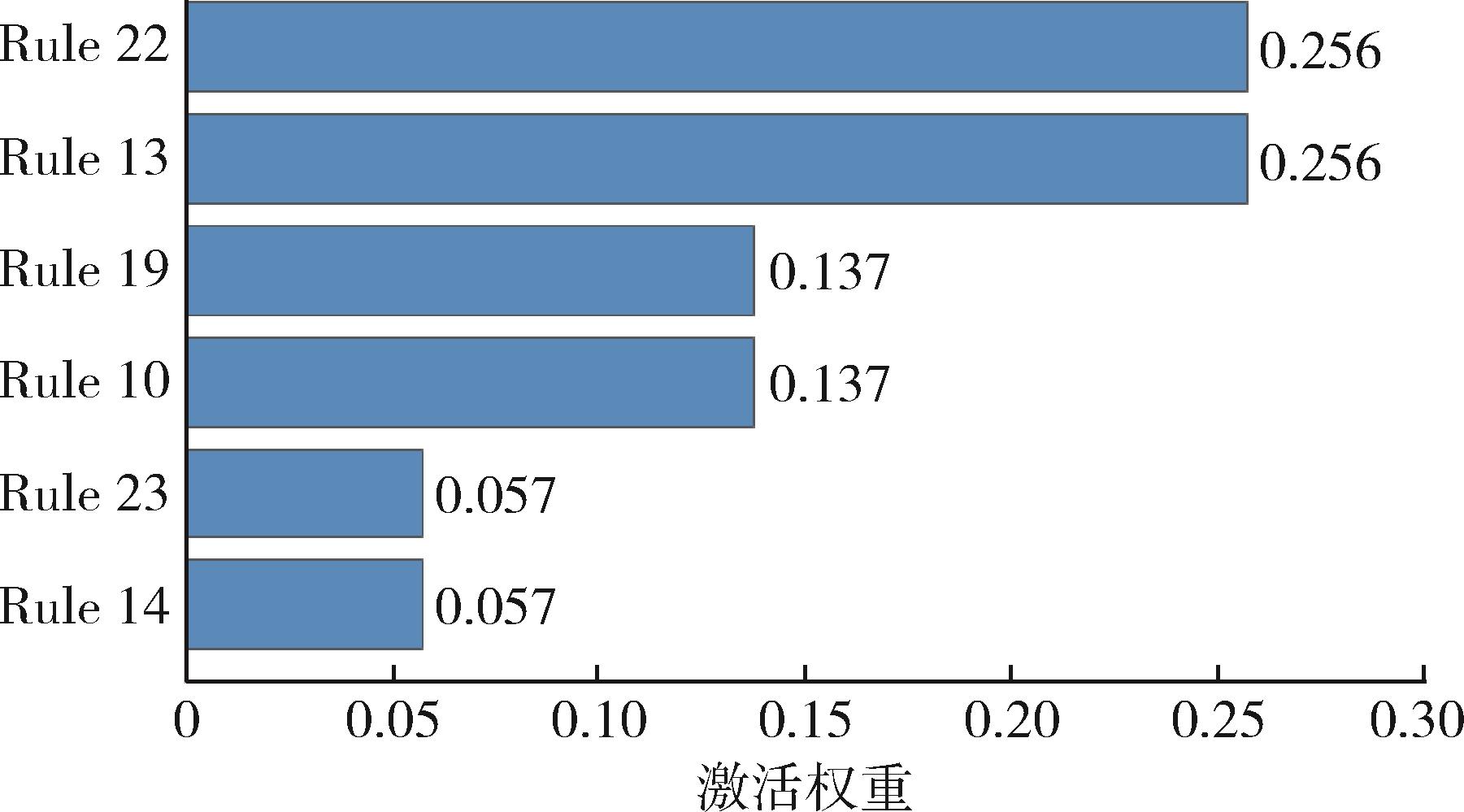
Fig. 7 Rule activation weights
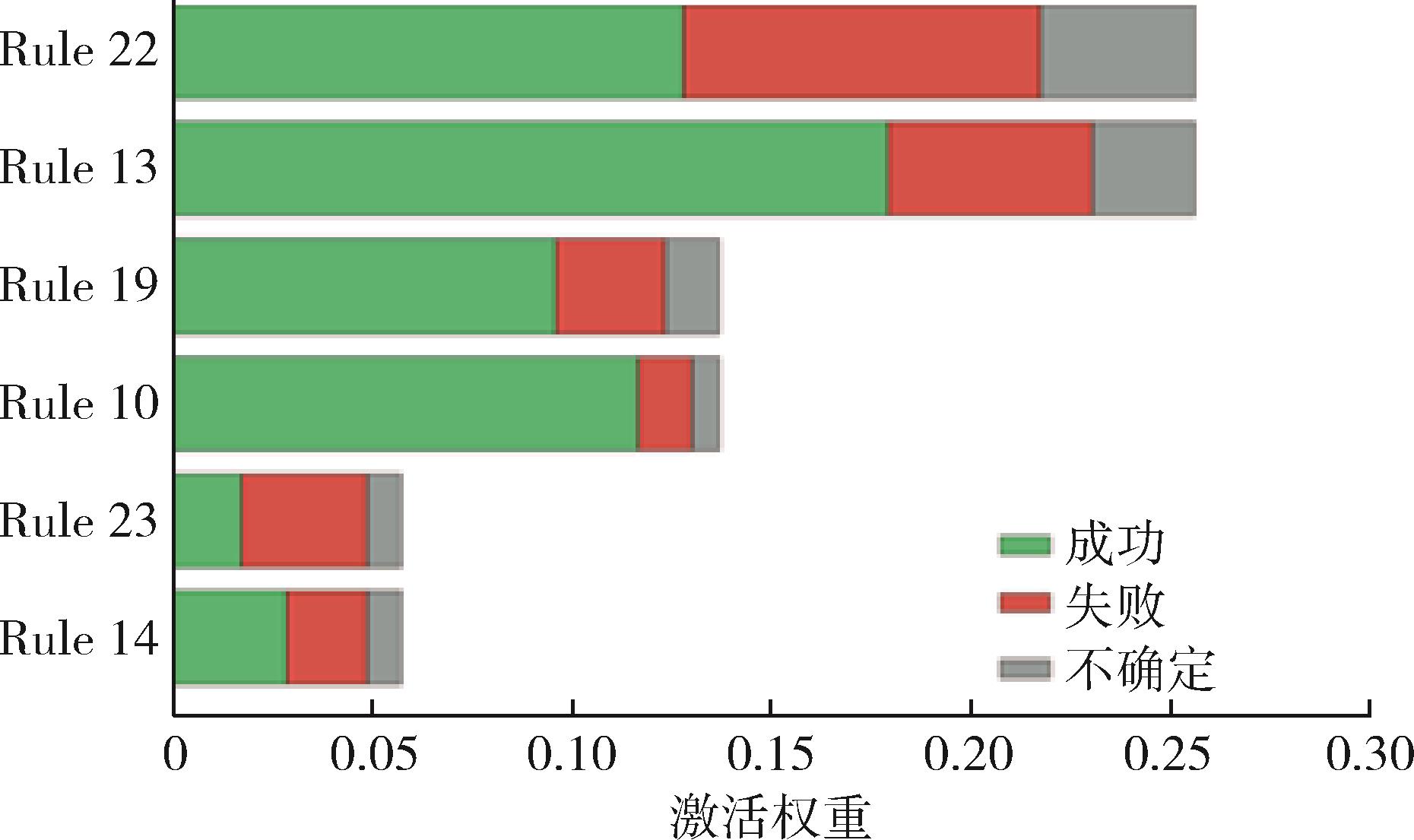
Fig. 8 Grade contribution distribution
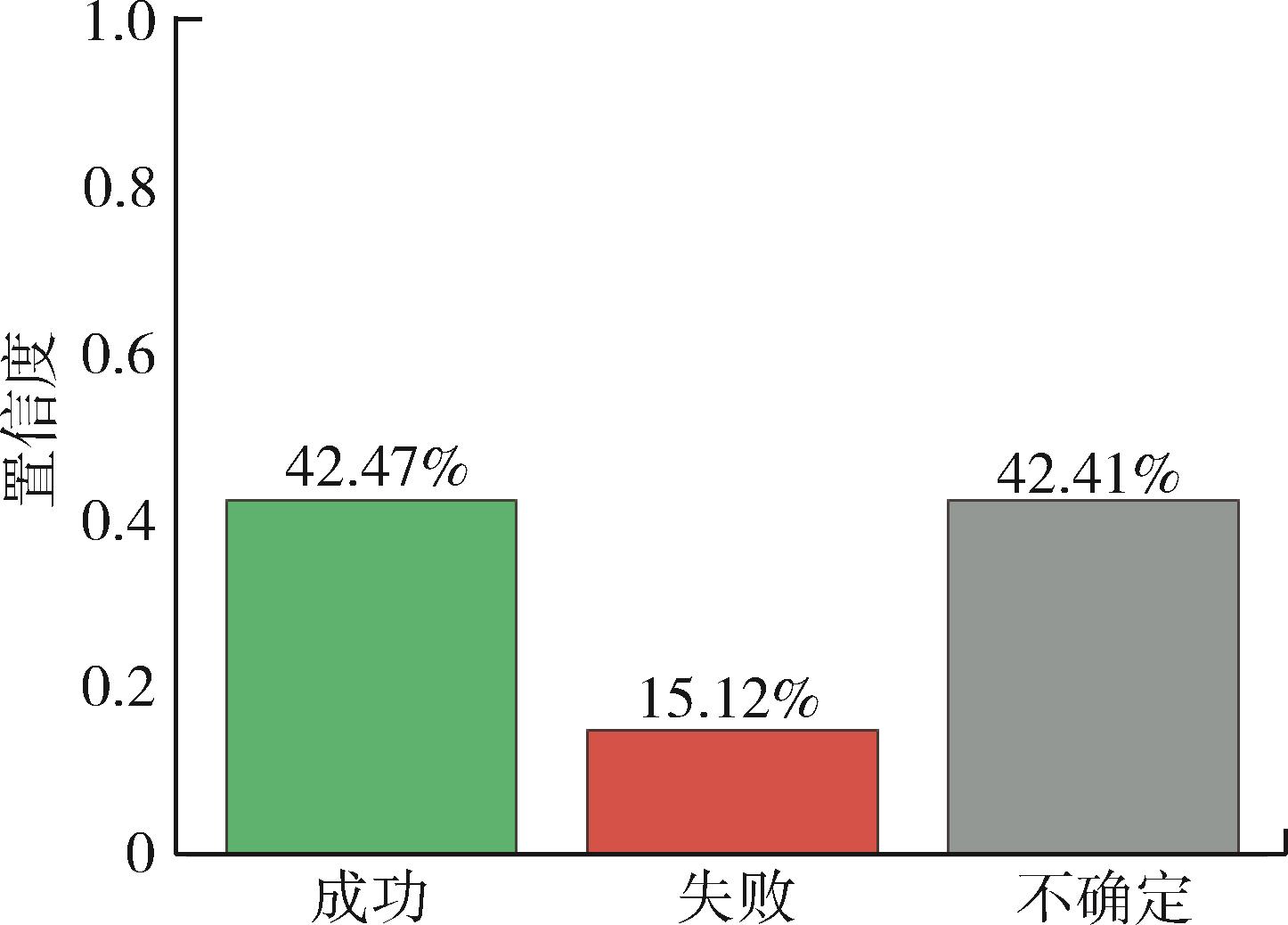
Fig. 9 Effectiveness evaluation results
| 序号 | 成功 | 失败 | 不确定 |
|---|---|---|---|
| 1 | 0.683 3 | 0.026 4 | 0.290 3 |
| 2 | 0.424 7 | 0.151 2 | 0.424 1 |
| 3 | 0.533 2 | 0.098 2 | 0.368 6 |
| 4 | 0.223 0 | 0.373 7 | 0.403 3 |
| 5 | 0.430 4 | 0.306 2 | 0.263 4 |
Table 5 Comprehensive effectiveness evaluation results of kill chains No.1~No.5
| 序号 | 成功 | 失败 | 不确定 |
|---|---|---|---|
| 1 | 0.683 3 | 0.026 4 | 0.290 3 |
| 2 | 0.424 7 | 0.151 2 | 0.424 1 |
| 3 | 0.533 2 | 0.098 2 | 0.368 6 |
| 4 | 0.223 0 | 0.373 7 | 0.403 3 |
| 5 | 0.430 4 | 0.306 2 | 0.263 4 |
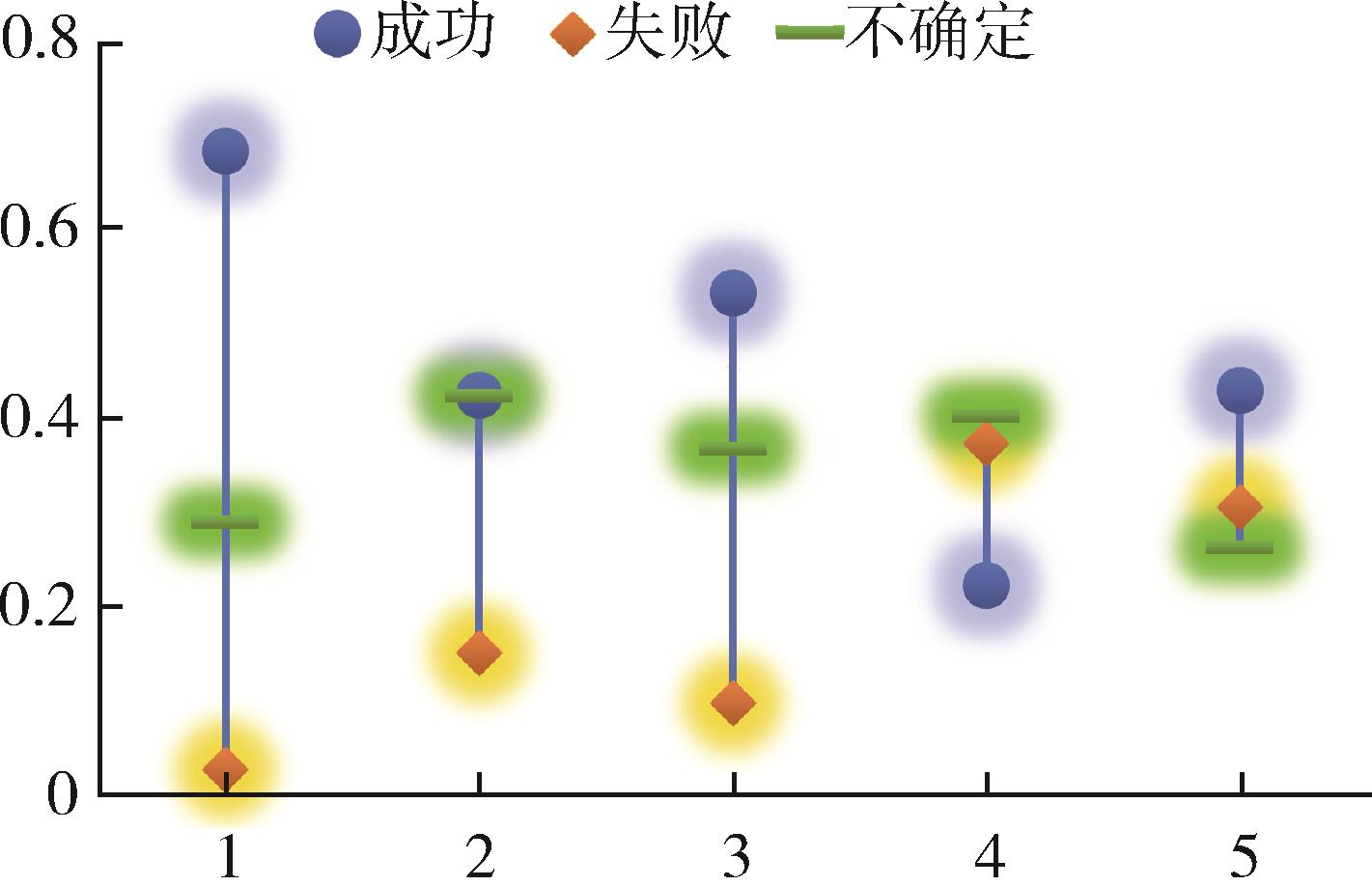
Fig. 10 Comparison diagram of grade effects
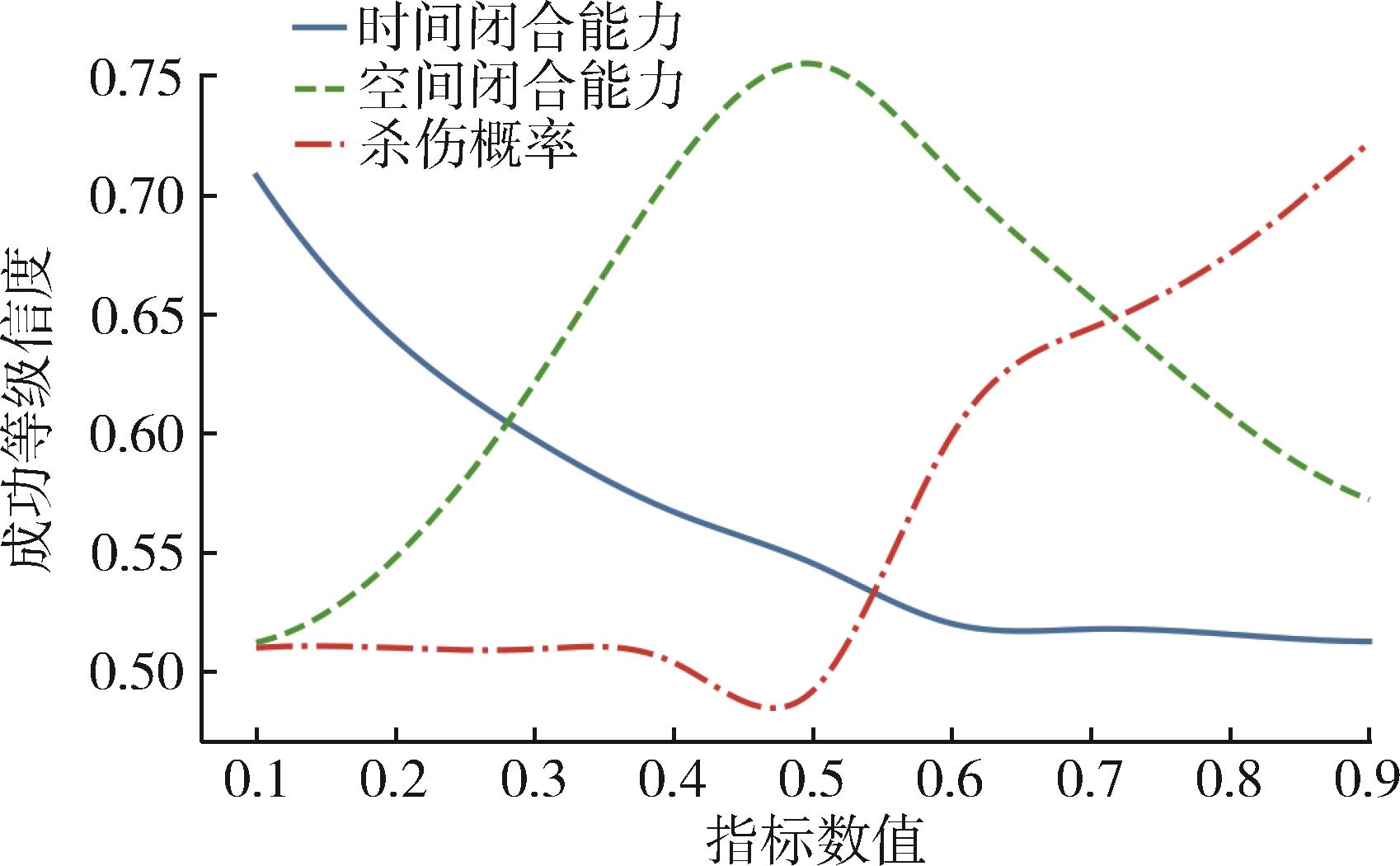
Fig. 11 Influence curves of different capability indicators on success level of kill chain
| [1] | 陆军, 张瑶, 乔永杰. 不确定性打击链的闭环时间表征和评估[J]. 中国科学(信息科学), 2017, 47(2): 207-220. |
| LU Jun, ZHANG Yao, QIAO Yongjie. Representation and Evaluation of the Closed-Loop Time of the Kill Chain Under Uncertainties[J]. Scientia Sinica(Informationis), 2017, 47(2): 207-220. | |
| [2] | 马晶, 刘鹏, 吴建勋, 等. 杀伤链视角下算法战制胜机理分析[J]. 舰船电子工程, 2024, 44(8): 1-4, 15. |
| MA Jing, LIU Peng, WU Jianxun, et al. Analysis of the Winning Mechanism of Algorithmic Warfare from the Perspective of Kill Chain[J]. Ship Electronic Engineering, 2024, 44(8): 1-4, 15. | |
| [3] | 陈登, 陈楚湘, 周春华. 基于OODA环的杀伤网节点重要性评估[J]. 兵工学报, 2024, 45(2): 363-372. |
| CHEN Deng, CHEN Chuxiang, ZHOU Chunhua. Importance Evaluation of Kill Network Nodes Based on OODA Loop[J]. Acta Armamentarii, 2024, 45(2): 363-372. | |
| [4] | 潘长鹏, 张雨晨, 李超博. 基于复杂网络中心性理论的典型海上杀伤链节点重要度评估研究[J]. 航空兵器, 2024, 31(5): 50-55. |
| PAN Changpeng, ZHANG Yuchen, LI Chaobo. Research on Node Importance Assessment in Maritime Kill Chain Based on Complex Network Centrality Theory[J]. Aero Weaponry, 2024, 31(5): 50-55. | |
| [5] | 赵丹玲, 谭跃进, 李际超, 等. 基于作战环的武器装备体系贡献度评估[J]. 系统工程与电子技术, 2017, 39(10): 2239-2247. |
| ZHAO Danling, TAN Yuejin, LI Jichao, et al. Armament System of Systems Contribution Evaluation Based on Operation Loop[J]. Systems Engineering and Electronics, 2017, 39(10): 2239-2247. | |
| [6] | 周琛, 尚柏林, 宋笔锋, 等. 基于作战环的航空武器装备体系贡献率评估[J]. 航空学报, 2022, 43(2): 309-320. |
| ZHOU Chen, SHANG Bailin, SONG Bifeng, et al. Contribution Evaluation of Aviation Armament System-of-Systems Based on Operation Loop[J]. Acta Aeronautica et Astronautica Sinica, 2022, 43(2): 309-320. | |
| [7] | 谢晓阳, 陈轶迪, 赵晓宁, 等. 基于作战环的综合型武器装备体系贡献度评估方法[J]. 导弹与航天运载技术, 2020(3): 122-126. |
| XIE Xiaoyang, CHEN Yidi, ZHAO Xiaoning, et al. Evaluation Method of Integrated Weapon Equipment's Contribution Rate to System-of-Systems Based on Operation Loop[J]. Missiles and Space Vehicles, 2020(3): 122-126. | |
| [8] | 蒋瑞琪, 徐金龙, 倪寒琦, 等. 美军NIFC-CA杀伤链体系仿真设计与评估[J]. 空天防御, 2024, 7(5): 82-89, 109. |
| JIANG Ruiqi, XU Jinlong, NI Hanqi, et al. U.S. Army NIFC-CA Kill Chain System Simulation Design and Evaluation[J]. Air & Space Defense, 2024, 7(5): 82-89, 109. | |
| [9] | 韩明磊, 马晶, 周泽宇, 等. 基于Agent建模的海战场杀伤链评估系统研究[J]. 计算机仿真, 2022, 39(3): 11-16, 406. |
| HAN Minglei, MA Jing, ZHOU Zeyu, et al. Research on Assessment System of Kill Chain in Naval Battlefield Based on Agent Modeling[J]. Computer Simulation, 2022, 39(3): 11-16, 406. | |
| [10] | 孙志鹏, 陈桂明, 高卫刚. 基于证据推理的预警反击作战体系保障能力评估方法[J]. 兵工学报, 2019, 40(9): 1928-1934. |
| SUN Zhipeng, CHEN Guiming, GAO Weigang. Support Capability Evaluation Method for Early-Warning Counter-Attack System of Systems Based on Evidential Reasoning[J]. Acta Armamentarii, 2019, 40(9): 1928-1934. | |
| [11] | 万斯来, 王国新, 明振军, 等. 基于知识推理的杀伤网智能设计方法[J]. 兵工学报, 2024, 45(4): 1025-1037. |
| WAN Silai, WANG Guoxin, MING Zhenjun, et al. Knowledge Reasoning-Based Intelligent Design Method of Kill-Web[J]. Acta Armamentarii, 2024, 45(4): 1025-1037. | |
| [12] | 刘靖旭, 于茹, 蒋秉川. 基于证据推理的战场环境效应综合评估[J]. 军事运筹与评估, 2024, 39(4): 19-23. |
| LIU Jingxu, YU Ru, JIANG Bingchuan. Evaluation on Comprehensive Effect of Operational Environment Based on Evidential Reasoning[J]. Military Operations Research and Assessment, 2024, 39(4): 19-23. | |
| [13] | 张妮, 王应明. 基于证据推理的供应链整体协调风险的识别与评估[J]. 科技管理研究, 2012, 32(9): 214-217, 222. |
| ZHANG Ni, WANG Yingming. Identification and Assessment of Overall Coordination Risk in Supply Chain Based on Evidential Reasoning[J]. Science and Technology Management Research, 2012, 32(9): 214-217, 222. | |
| [14] | 赵福均, 周志杰, 胡昌华, 等. 基于置信规则库和证据推理的空中目标意图识别方法[J]. 电光与控制, 2017, 24(8): 15-19, 50. |
| ZHAO Fujun, ZHOU Zhijie, HU Changhua, et al. Aerial Target Intention Recognition Approach Based on Belief-Rule-Base and Evidential Reasoning[J]. Electronics Optics & Control, 2017, 24(8): 15-19, 50. | |
| [15] | 胡灿灿, 王亚平, 李俊霖, 等. 考虑作战行动的单兵系统体系贡献率评估[J]. 南京理工大学学报, 2024, 48(1): 36-44. |
| HU Cancan, WANG Yaping, LI Junlin, et al. Evaluation of Contribution to System Warfighting of Soldier System Considering Combat Operations[J]. Journal of Nanjing University of Science and Technology, 2024, 48(1): 36-44. | |
| [16] | 周志杰, 唐帅文, 胡昌华, 等. 证据推理理论及其应用[J]. 自动化学报, 2021, 47(5): 970-984. |
| ZHOU Zhijie, TANG Shuaiwen, HU Changhua, et al. Evidential Reasoning Theory and Its Applications[J]. Acta Automatica Sinica, 2021, 47(5): 970-984. | |
| [17] | 刘刚, 季明, 许珺怡. 时敏目标杀伤链闭合时间测算方法研究[J]. 现代防御技术, 2025, 53(2): 121-128. |
| LIU Gang, JI Ming, XU Junyi. Research on the Measurement Method of Time-Sensitive Target Kill Chain Close Time[J]. Modern Defence Technology, 2025, 53(2): 121-128. | |
| [18] | YANG Jianbo, LIU Jun, WANG Jin, et al. Belief Rule-Base Inference Methodology Using the Evidential Reasoning Approach-RIMER[J]. IEEE Transactions on Systems, Man, and Cybernetics-Part A: Systems and Humans, 2006, 36(2): 266-285. |
| [19] | 周志杰, 刘涛源, 胡冠宇, 等. 一种基于数据可靠性和区间证据推理的故障检测方法[J]. 自动化学报, 2020, 46(12): 2628-2637. |
| ZHOU Zhijie, LIU Taoyuan, HU Guanyu, et al. A Fault Detection Method Based on Data Reliability and Interval Evidence Reasoning[J]. Acta Automatica Sinica, 2020, 46(12): 2628-2637. | |
| [20] | YANG Jianbo, XU Dongling. On the Evidential Reasoning Algorithm for Multiple Attribute Decision Analysis Under Uncertainty[J]. IEEE Transactions on Systems Man and Cybernetics Part A-Systems and Humans, 2002, 32(3): 289-304. |
| [1] | Rongling XIONG, Qing YANG, Yanwei ZHANG, Luyou ZHANG, Chunyi DUAN. Sensitivity Analysis of Kill Web Operational Effectiveness Based on Simulation Wargaming [J]. Modern Defense Technology, 2026, 54(4): 170-182. |
| [2] | Yongwei LU, Huan LIN, Yinbing ZHANG, Shihao SHAN, Shiju YANG. Radar Working State Assessment Based on Adaptive Augmented Bayesian [J]. Modern Defense Technology, 2026, 54(2): 155-162. |
| [3] | Yu YAO, Qiang LIN, Haida YANG, Wensi HE, Yang ZHANG. Combat Effectiveness Evaluation of Air Defense Early Warning Equipment System Based on Improved AHP [J]. Modern Defense Technology, 2025, 53(6): 21-29. |
| [4] | Longfei JIANG, Jianbing ZHAO. Combat Effectiveness Evaluation of Air & Space Defense Kill Chain Based on Order [J]. Modern Defense Technology, 2025, 53(5): 70-79. |
| [5] | Miaomiao TIAN, Jinxian PENG, Lun ZHOU, Lihua LÜ. Research on the Capability Evaluation of Radar Countermeasure Equipment Based on Fuzzy Comprehensive Model [J]. Modern Defense Technology, 2025, 53(3): 182-190. |
| [6] | Haiyan ZHAO, Feng ZHOU, Wenjing YANG, Di LIU, Tianyuan YANG. Research on Effectiveness Evaluation Method of Anti-missile Equipment System Based on GWO-DBN [J]. Modern Defense Technology, 2025, 53(2): 45-54. |
| [7] | Runze WU, Weishi PENG, Yixuan MA. Evaluation of Combat Effectiveness of Anti-UAV Swarm System Based on Improved TOPSIS Method [J]. Modern Defense Technology, 2025, 53(1): 63-72. |
| [8] | Baogang LI, Shuang CUI, Depeng DONG. Reduction Method of Air Defense Missile Equipment Maintenance Support Effectiveness Evaluation Index Based on Improved Vague Set [J]. Modern Defense Technology, 2024, 52(6): 105-111. |
| [9] | Bin WANG, Jice WANG, Ying SHANG, Xiaofei WANG, Quan WEN. Effectiveness Evaluation and Defense Strategies for Network Attacks of Air and Missile Defense System [J]. Modern Defense Technology, 2023, 51(3): 57-65. |
| [10] | Yao LEI, Jian-yin ZHAO, Yu BAI. Missile Equipment Quality Condition Assessment Under Fuzzy Evaluation Grade [J]. Modern Defense Technology, 2022, 50(6): 110-116. |
| [11] | GONG Liang, WANG Qing-quan, LUO Hong-ji. Real Combat-Like Improved Model of Operational Effectiveness Evaluation of Air Defense Missile Weapon System [J]. Modern Defense Technology, 2021, 49(6): 9-15. |
| [12] | JI Zheng-yi, CHEN Yang, SHEN Pei-zhi, HAN Xian-ping, QI Hong-kun. Decision Tree Integration Method Application in Effectiveness Evaluation of Anti-Ship Missile Weapon System [J]. Modern Defense Technology, 2021, 49(4): 15-23. |
| [13] | YANG Jian-bo, ZONG Si-guang. Research on Effectivess Evaluation Method of Anti-Ship Missile Weapon System Based on Fuzzy-ADC Model [J]. Modern Defense Technology, 2021, 49(3): 55-62. |
| [14] | YANG Xiao, ZHU Yu, WU Jian. Research on Evaluation Method of Operational Action Plan Based on RIMER [J]. Modern Defense Technology, 2018, 46(3): 80-85. |
| [15] | AN Jin, XU Ting-xue, ZHU Gui-fang. Equipment Quality Condition Assessment Under Information Conflict and Uncertainty [J]. Modern Defense Technology, 2018, 46(1): 171-177. |
| Viewed | ||||||
|
Full text |
|
|||||
|
Abstract |
|
|||||